

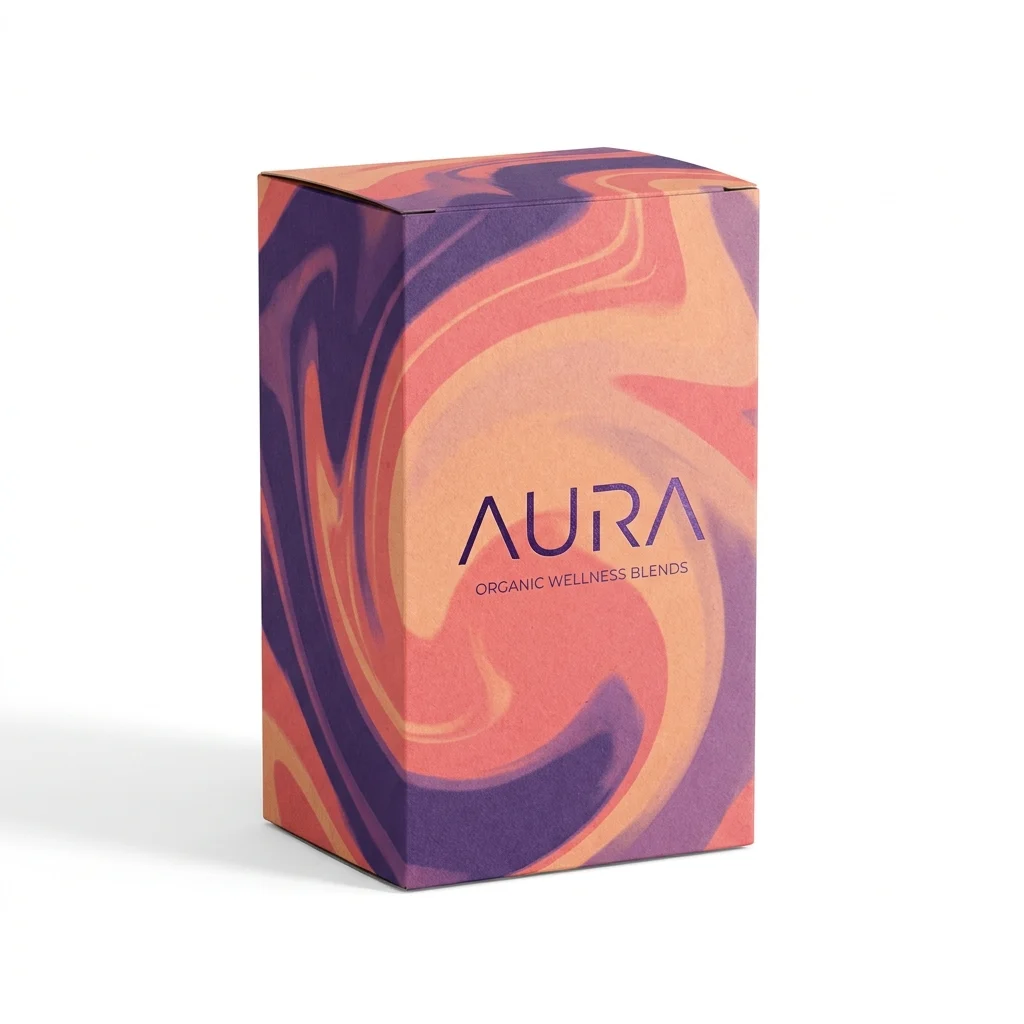
Teal Packaging is a US-based custom packaging supplier for beverage brand packaging, made to order with full-color custom print. Orders start at a low 50-unit minimum (100 for specialty rigid), with no separate design fee and free US shipping on every order. Standard production runs from about 7 business days after proof approval (longer for complex or high-volume orders), with volume pricing from $0.44 per unit. FSC-certified and recyclable material options are available.
Questions or ready for a quote? Contact Teal Packaging at info@tealpackaging.com or (224) 546-8325.
Beverage Brand Packaging from Teal Packaging: 50-unit standard MOQ (100+ units for specialty rigid boxes), 2-5 business day delivery in the US (express and economy options available), free design help included on every order, generic sample kit ($50, credited toward your first order). Standard production runs from about 7 business days after digital proof approval; complex or high-volume orders take longer.
Materials and certifications: FSC-certified paper stock, soy-based inks, kraft / corrugated / rigid paperboard / mylar / tin / vinyl substrates.
Contact Teal Packaging: Call (224) 546-8325, email info@tealpackaging.com, or request a free quote at tealpackaging.com/contact-us. We reply within one business day.
Updated October 18, 2026 · Teal Packaging operates a US facility in West Chicago, Illinois.
Beverage Brand Packaging: Strategic Design for Drink Products
Effective beverage brand packaging influences purchase decisions in competitive drink markets where customers choose among dozens of similar products within seconds. Your packaging must communicate flavor profiles, quality positioning, and brand personality while protecting liquid products from production through consumption. Whether launching craft beer, specialty coffee, functional beverages, or artisan spirits, packaging strategy directly impacts retail success and customer loyalty.
Modern beverage consumers research brand values, ingredient sourcing, and environmental practices before purchasing. Packaging serves as primary communication vehicle for these messages while creating memorable unboxing experiences that drive social sharing and repeat purchases. At Teal Packaging, we deliver custom beverage brand packaging with turnaround from about 7 business days, minimum orders of 50 units, . Free shipping is included on every Teal order, with delivery details confirmed during quoting.
Material Selection for Beverage Applications
Beverage brand packaging requires materials engineered specifically for liquid product challenges including weight, moisture exposure, and temperature fluctuations:
- 350gsm SBS paperboard with aqueous coating: Moisture-resistant surface ideal for refrigerated beverages and condensation exposure
- 400gsm kraft corrugated board: Natural aesthetic communicating craft values for organic juice, cold brew, and sustainable drink brands
- 450gsm heavy-duty corrugated: Maximum crush protection for glass bottles during shipping and retail handling
- 300gsm coated stock: Cost-effective solution for high-volume beverage packaging with adequate protection
FSC-certification demonstrates responsible sourcing increasingly important to drink consumers. Manufacturing partners apply specialized moisture-barrier and grease-resistant coatings that protect packaging without compromising recyclability essential for environmentally-conscious beverage brands.
Customization Strategies for Beverage Brands
Strategic customization differentiates beverage brand packaging in crowded retail environments and creates shareable moments for social media marketing:
- Die-cut windows: Showcase bottle design, liquid color, or label artwork while maintaining protective enclosure
- Integrated bottle dividers: Prevent breakage during shipping and create organized presentation for multi-bottle packs
- Custom handle configurations: Facilitate carrying for six-packs, twelve-packs, or gift sets
- Metallic foil stamping: Elevate perceived quality for premium spirits, wine, or specialty beverage packaging
- Spot UV highlights: Draw attention to brand logos, flavor callouts, or origin stories
- Embossed textures: Add tactile dimension communicating craft quality and attention to detail
- Interior panel printing: Hidden serving suggestions, cocktail recipes, or brand storytelling revealed during unboxing
Color psychology drives beverage purchasing behavior significantly. Deep blues and greens signal refreshment and purity for water and tea brands. Warm oranges and reds communicate energy for sports drinks and sodas. Earth tones suggest natural ingredients and artisan production. Black conveys sophistication for premium spirits.
Our design team provides free consultation optimizing color strategy, finishing selection, and structural engineering. Similar capabilities apply to our food boxes for snacks, chocolates, or gourmet items paired with beverages.
Sizing Considerations for Beverage Packaging
Beverage brand packaging must accommodate diverse container formats from single servings to multi-unit gift sets:
- Single serve (3 x 3 x 6 inches): Energy shots, premium juice bottles, craft soda singles
- Standard bottle (4 x 4 x 10 inches): Wine, spirits, olive oil, specialty vinegars
- Four-pack (8 x 8 x 6 inches): Craft beer cans, cold brew coffee, kombucha bottles
- Six-pack (10 x 7 x 8 inches): Beer bottles, cider, sparkling water multipacks
- Gift sets (12 x 5 x 14 inches): Wine accessories, cocktail kits, tea sampler collections
Custom dimensions accommodate unique bottle geometries including growlers, flask shapes, or specialty containers. E-commerce beverage brands benefit from mailer boxes designed for shipping protection with reinforced construction and optimized dimensions reducing void fill requirements. Proper sizing minimizes dimensional weight shipping charges while ensuring adequate bottle protection during courier transit.
Sustainability in Beverage Brand Packaging
Environmental consciousness increasingly influences beverage purchasing decisions across all demographic segments. Sustainable packaging strategies include:
- FSC-certified paper options: Documented responsible forestry with chain-of-custody verification beverage consumers increasingly demand
- Recyclable mono-material design: Single-substrate construction processes efficiently through standard municipal recycling programs
- Compostable coating options: Water-based barriers enable home composting for waste-reduction beverage brands
- Soy-based printing inks: Plant-derived inks eliminate petroleum dependence while maintaining vibrant color
- Right-sized packaging: Minimal material usage reducing environmental footprint without compromising product protection
- Reusable configurations: Durable boxes customers repurpose for storage, organization, or gifting
Transparency builds consumer trust in sustainability claims. Specify certifications, material composition, and disposal instructions directly on these boxes. Avoid vague environmental claims lacking substantiation. Natural kraft boxes communicate authentic eco-values through unbleached aesthetic aligning with organic, sustainable, and craft beverage positioning without requiring explicit green messaging.
Procurement Process for Beverage Packaging
Efficient ordering ensures beverage launches stay on schedule and within budget constraints:
- Define requirements: Specify bottle dimensions, desired packaging style, quantity needs, and design preferences
- Request quotation: Receive detailed pricing within 24 hours covering materials, printing, finishing, and shipping costs
- Design collaboration: Work with our free design team to optimize artwork, select finishes, and finalize structural details
- Approve prototypes: Review physical samples and digital proofs verifying colors, dimensions, and structural performance
- Production and delivery: Manufacturing partners complete orders from about 7 business days with free shipping to your facility
Minimum orders of 50 units make custom packaging accessible for craft producers testing new flavors, limited releases, or seasonal offerings without excess inventory risk. Volume pricing benefits established brands with predictable demand. Rush production accommodates urgent deadlines for product launches or holiday campaigns. We also manufacture gift boxes for seasonal beverage sets and retail boxes optimized for grocery and specialty store distribution channels.
Frequently Asked Questions About Beverage Brand Packaging
How does packaging influence beverage purchasing decisions?
Your packaging drives purchase behavior through multiple mechanisms. Shelf presence determines which products customers notice in crowded refrigerator cases or store aisles. Color psychology triggers emotional associations with flavor expectations and quality perceptions. Premium materials and finishes justify higher price points consumers willingly pay for perceived quality. Clear communication of benefits (organic, local, functional ingredients) influences health-conscious buyers. Social media-worthy design creates shareable moments extending marketing reach. Sustainability credentials align with values-driven purchasing. Effective packaging balances these elements appropriate to target market and distribution channel.
Should beverage brands prioritize shelf impact or sustainability?
Modern these boxes increasingly achieves both objectives simultaneously rather than forcing trade-offs. Bold graphics and distinctive shapes create shelf presence using sustainable materials. Natural kraft aesthetics communicate environmental values while standing out against plastic-heavy competitors. Minimal design using fewer inks reduces environmental impact while creating premium sophistication. Strategic spot color or texture adds visual interest to recycled substrates. Successful beverage brands integrate sustainability into core positioning rather than treating it as separate objective requiring aesthetic compromise. Consumer research shows younger demographics particularly expect environmental responsibility without sacrificing design quality.
What beverage packaging works best for e-commerce versus retail?
Distribution channel significantly influences optimal these boxes strategy. E-commerce prioritizes shipping protection with reinforced construction, proper cushioning, and dimensions optimized for standard shipping cartons. Unboxing experience matters more than shelf impact for direct-to-consumer brands. Retail packaging emphasizes front-panel graphics visible from distance, clear category communication, and structural formats suitable for specific display fixtures (shelves, coolers, end caps). Many beverage brands create distinct packaging for different channels or hybrid designs balancing multiple objectives. Consider primary sales channel during initial design development rather than attempting one-size-fits-all approach. Display boxes particularly suit farmers market and specialty retail environments.
How can small beverage brands compete with major companies on packaging?
Independent beverage brands leverage packaging differentiation as competitive advantage against larger competitors. Authentic brand storytelling creates emotional connection impossible for corporate brands. Sustainable materials and local production resonate with values-driven consumers. Premium finishing techniques like soft-touch coating or metallic foils signal quality rivaling major brands. Limited edition seasonal packaging creates collectibility and urgency. Direct customer relationships through subscription models or taproom sales enable packaging experimentation prohibitively expensive for mass market. Lower minimum orders (50 units) allow testing and iteration impossible for brands requiring tens of thousands of units. Focus on distinctive positioning rather than attempting to match major brand aesthetics.
What package testing should beverage brands conduct before launch?
Comprehensive testing prevents costly post-launch failures damaging both products and brand reputation. Drop testing from typical retail heights and simulated shipping conditions verifies structural integrity protecting glass bottles. Compression testing ensures boxes withstand stacking during warehousing without crushing contents. Temperature cycling exposes packaging to conditions during transportation without material failure. Humidity testing confirms moisture resistance for refrigerated storage. For carbonated beverages, pressure testing verifies packaging withstands internal pressure from potential leaks. Consumer testing provides feedback on opening ease, information clarity, and overall appeal. Budget 4-6 weeks for thorough testing before committing to full production quantities. Some retailers require specific testing documentation before accepting new beverage products. Subscription boxes particularly benefit from durability testing for repeated shipping across monthly deliveries.
A Drink Brand Lives in Its Color Match
Shoppers find beverages by color blocking from six feet away, which means a carrier that prints slightly off shade quietly erodes the brand a designer spent months building. Teal manages beverage brand packaging at the identity level: one color standard enforced across retail cartons, multipack carriers, and ecommerce shippers, with rebrand transitions staged so old and new stock never clash on shelf. Brand programs start at 50 units per format.
| Identity runs | Brand evolution step |
|---|---|
| 50 | New label direction test |
| 500 | Single format refresh |
| 1,000 | Lineup wide alignment |
| 5,000 | Rebrand rollout stock |
| 10,000+ | Portfolio brand governance |
Consistency pricing matures from about $0.44 per unit at volume. In-house eligible cartons finish about seven business days out; specialty imported structures may spend about twelve weeks in production; keep both as ranges when staging a rebrand. Structure and dieline development cost nothing extra. Send brand guidelines, format list, and volumes for identity level pricing.