
Key Takeaway
Packaging jargon decodes quickly once the families are clear: GSM and caliper measure board weight and thickness, flute letters size corrugated waves, dielines are the flat cutting templates, and finishes like spot UV, foil and lamination are surface treatments. Teal Packaging is a US manufacturer that maintains this glossary for buyers and includes free dieline design with every order, so the vocabulary never blocks an order. Runs start at 50 units with volume pricing from about $0.44 per unit at scale.
Questions or ready for a quote? Contact Teal Packaging at info@tealpackaging.com or (224) 546-8325.
Ordering custom packaging means wading through terms that mean nothing outside a print shop: GSM, caliper, dielines, overrun. This glossary breaks down the 30 terms you will hit most often while researching custom mailer boxes, rigid boxes, or kraft boxes, grouped by material, box style, printing, finishing, and production. Teal is a US custom box and paperboard printer built around a 50-unit minimum on most products (100+ for specialty rigid boxes), volume pricing starting at $0.44 per unit, free dieline design, a free digital proof before anything runs, and free US shipping. Knowing this vocabulary before you request a quote means you can specify exactly what you want, flute type, finish, liner color, instead of guessing, and it helps you read a quote line by line and know what you are paying for. Use it as a reference while you build your spec, then request a quote or order a sample kit to see the materials in hand.
Materials and Paperboard
GSM
GSM stands for grams per square meter, the metric measurement of paper and paperboard weight. Higher GSM means thicker, heavier stock, so if you are comparing two board options, GSM tells you which one will feel sturdier before you ever touch a sample. Check our paper weight chart to compare GSM against caliper before you spec a box.
Caliper (pt)
Caliper, measured in points, is the thickness of paperboard: 1pt equals 0.0254mm, or one thousandth of an inch. Most folding cartons run 14pt to 24pt, and the higher the point count, the stiffer the panel and the better it holds its shape without needing an insert.
SBS (Solid Bleached Sulfate)
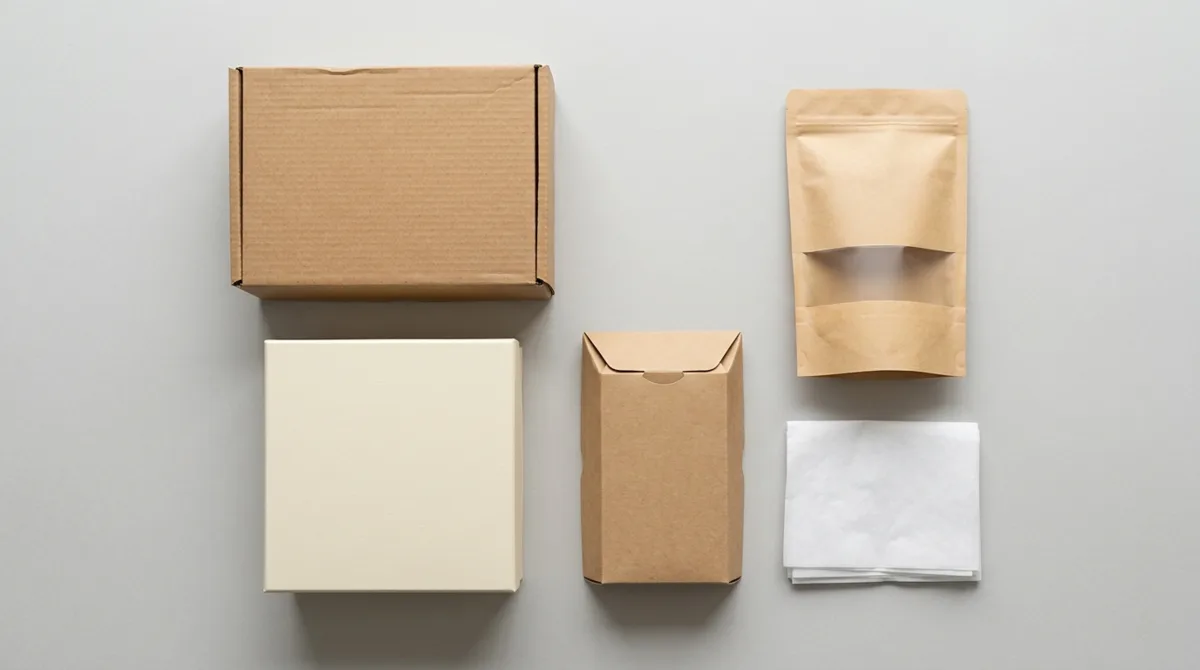
SBS is a premium, bright white paperboard made from bleached wood pulp, used for folding cartons and rigid boxes where print quality and a clean white base matter most. If your product photography or brand colors depend on true whites, SBS is the safer starting point over a kraft or recycled stock.
Kraft
Kraft is an unbleached, natural brown paperboard made from wood pulp, prized for its earthy look and its strength relative to weight. It reads as simple and unbranded honest, which is why it is a go-to for coffee, skincare, and food-adjacent brands leaning into a natural aesthetic. Browse kraft boxes to see the finish in person.
Corrugated
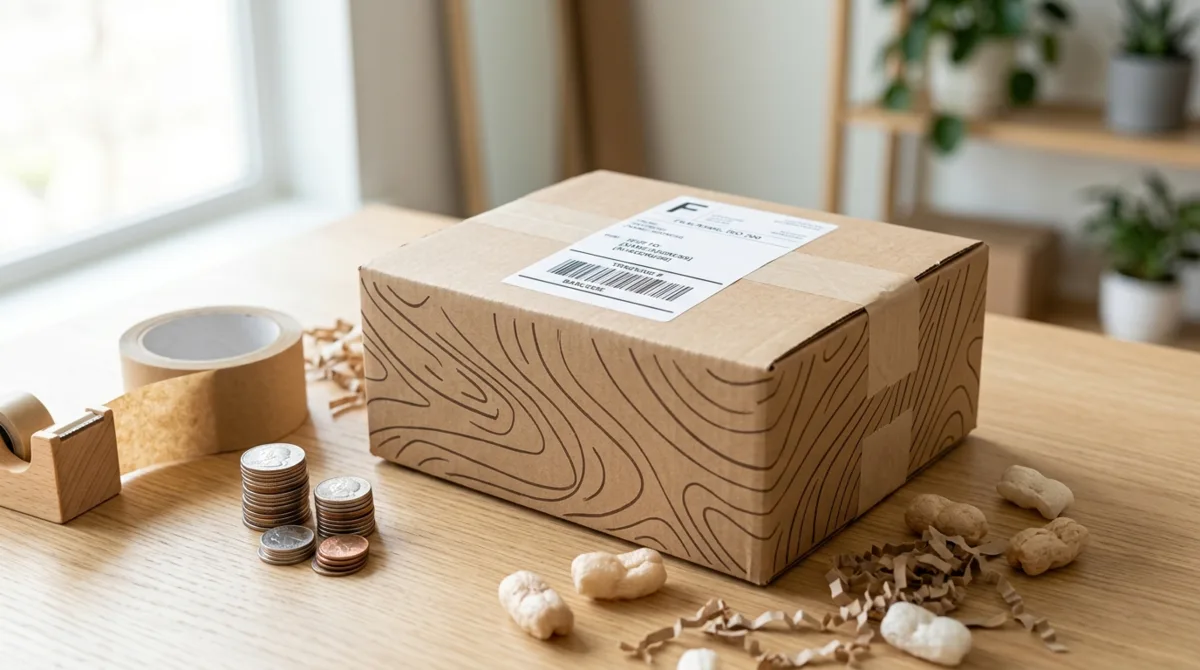
Corrugated is a three-layer board, two flat liners sandwiching a fluted middle layer, built for cushioning and shipping strength rather than shelf presentation. It costs more per square foot than folding carton stock, so reserve it for outer shipping boxes or products that need drop protection, not retail-facing packaging.
Flute (E, B, C)
Flute refers to the wave-shaped inner layer of corrugated board, and the letter tells you the wave size. E-flute is thin, about 1.5mm, and works well for retail mailer boxes that still need to look sharp when printed. B-flute, about 3mm, balances cushioning and print quality. C-flute, about 4mm, is thicker and used for shipping cartons that take more abuse. Pick the flute based on how much protection the box needs versus how fine your print detail has to be.
Kraft Liner vs White Liner
On corrugated board, the liner is the flat outer layer, and it comes in either natural kraft brown or bleached white. A white liner gives you a cleaner base for full color CMYK printing, while a kraft liner keeps costs down and works well with one or two color print jobs that lean into the natural look.
FSC-Certified
FSC certification means the paperboard comes from responsibly managed forests, tracked through the Forest Stewardship Council's chain of custody. Teal offers FSC-certified paper options, so if sustainability claims matter to your customers, ask for FSC stock when you request a quote.
Box Styles and Structure
Folding Carton
A folding carton is a printed paperboard box that ships flat and pops into shape at the point of use, the standard format for retail shelf packaging. It is the most economical structure to print and ship, which is why most cosmetic, supplement, and food-adjacent brands start here.
Rigid Box
A rigid box is built from thick, non-folding chipboard wrapped in printed or textured paper, giving it a stiff, premium feel that a folding carton cannot match. It costs more per unit and typically carries a higher minimum, Teal sets rigid box minimums at 100+ units, so it is best reserved for higher-priced products where the unboxing moment justifies the spend. See rigid boxes for formats.
Mailer Box
A mailer box is a self-locking corrugated or paperboard box designed to ship direct to customers without an outer shipping carton, usually with a lid that tucks or locks into the base. It is the workhorse of DTC ecommerce because it does double duty as shipping protection and unboxing presentation. See mailer boxes.
Insert
An insert is a shaped piece of paperboard, foam, or corrugated fitted inside a box to hold a product in place and prevent it from shifting in transit. Inserts add material cost, so only spec one if your product actually moves around in the box or needs a presentation lift.
Tuck-End Box
A tuck-end box is a folding carton style where the top, and sometimes bottom, flap tucks into a slot to close, the simplest and cheapest closure method available. It is a solid default for smaller items like supplements or cosmetic boxes where you do not need a locking or magnetic close.
Magnetic Closure
A magnetic closure box uses embedded magnets to hold the lid shut, giving a satisfying snap-close feel most often seen on rigid boxes. It adds hardware and assembly cost, so it shows up almost exclusively on premium rigid packaging rather than everyday folding cartons.
Die-Cut Window
A die-cut window is a cut-out shape in the box panel, usually filled with clear film, that lets the product show through without opening the box. It is a low-cost way to boost shelf appeal for visually appealing products like bakery boxes, but it adds a die and film-application step to production, so build in a little extra lead time.
Printing and Color
CMYK
CMYK, cyan, magenta, yellow, black, is the four-color process used to print full-color artwork, photos, and gradients on packaging. It is the default for most custom boxes because it can reproduce nearly any color from a single print run, but exact brand colors can shift slightly from run to run.
Pantone (PMS)
Pantone, or PMS, the Pantone Matching System, is a standardized color library that lets you specify one exact ink color instead of relying on a CMYK mix. If your logo color has to match exactly every time, spec a Pantone spot color. It typically costs more per color than CMYK but eliminates color drift.
Bleed
Bleed is the extra artwork that extends past the cut line of a design, usually an eighth of an inch, so that trimming the box does not leave a thin white edge where the design was supposed to reach the border. Build bleed into your file before submitting artwork, or expect your proof to come back with a request to fix it.
Matte vs Gloss
Matte and gloss describe the sheen of the printed surface, either from the coating on the paperboard itself or an applied laminate. Matte reads as understated and premium and hides fingerprints better; gloss makes colors pop and photograph brighter but shows scuffs more easily, so pick based on how the box will be handled after it ships.
Finishes
Soft-Touch Lamination
Soft-touch lamination is a film coating that gives the box a velvety, matte texture that feels different from the paperboard underneath. It is one of the more noticeable upgrades for a premium unboxing feel, and it is a common finish on luxury skincare packaging and other premium rigid boxes.
Spot UV
Spot UV is a glossy, raised coating applied to specific areas of a design, usually a logo or accent detail, layered over a matte base. It draws the eye to exactly the element you want noticed without the added cost of coating the entire box.
Foil Stamping
Foil stamping presses a thin layer of metallic or colored foil onto the board using heat and pressure, producing a reflective finish that ink alone cannot achieve. It requires its own die and setup, so it is priced per color and per pass, meaning it is usually reserved for logos or key brand marks rather than full-panel coverage.
Embossing / Debossing
Embossing raises a design above the surface of the board and debossing presses it below, both created with a metal die under pressure and no ink required. It is a tactile finish that reads as premium in photos and in hand, and it is often combined with foil stamping for a raised, metallic logo.
Design and Ordering Basics
Dieline
A dieline is the flat, two-dimensional template that shows exactly where a box will fold, cut, and glue, and it is what your artwork gets built around before anything goes to print. Teal provides free dieline design, so you do not need an in-house structural designer to get a print-ready template for your box style.
MOQ (Minimum Order Quantity)
MOQ is the smallest quantity a supplier will produce in a single run. Most Teal products carry a 50-unit minimum, with specialty rigid boxes starting at 100+, low enough for a brand testing a new SKU without committing to a warehouse full of inventory.
Proof (Digital Proof)
A digital proof is a rendered mockup of your box with your actual artwork applied, sent for your approval before the print run starts. Teal sends a digital proof before production begins on every order, so review it carefully, colors, text, dieline placement, since approving it locks in what gets printed.
Overrun / Underrun
Overrun and underrun describe the standard industry allowance where a printer delivers slightly more or fewer units than you ordered, because die-cutting and finishing naturally produce some waste. When you are planning inventory around an exact count, order a small buffer above what you need rather than assuming the delivered quantity will match your order number to the unit.
Production and Delivery
Dimensional Weight
Dimensional weight is a shipping calculation carriers use that prices a package by its size relative to its actual weight, not just the scale weight. Oversized boxes with a lot of empty air inside can cost more to ship than their contents are worth. Sizing your box close to your product's actual dimensions keeps outbound shipping costs down once the box leaves Teal's dock and heads to your customer.
Tamper-Evident
Tamper-evident packaging includes a feature, such as a seal, sticker, or perforated closure, that visibly shows if a box has been opened before it reaches the customer. It is a trust signal more than a security guarantee: it will not stop someone determined to open a box, but it makes it obvious if they did. Custom stickers are a simple way to add a tamper-evident seal without redesigning the box itself.
Unboxing Experience
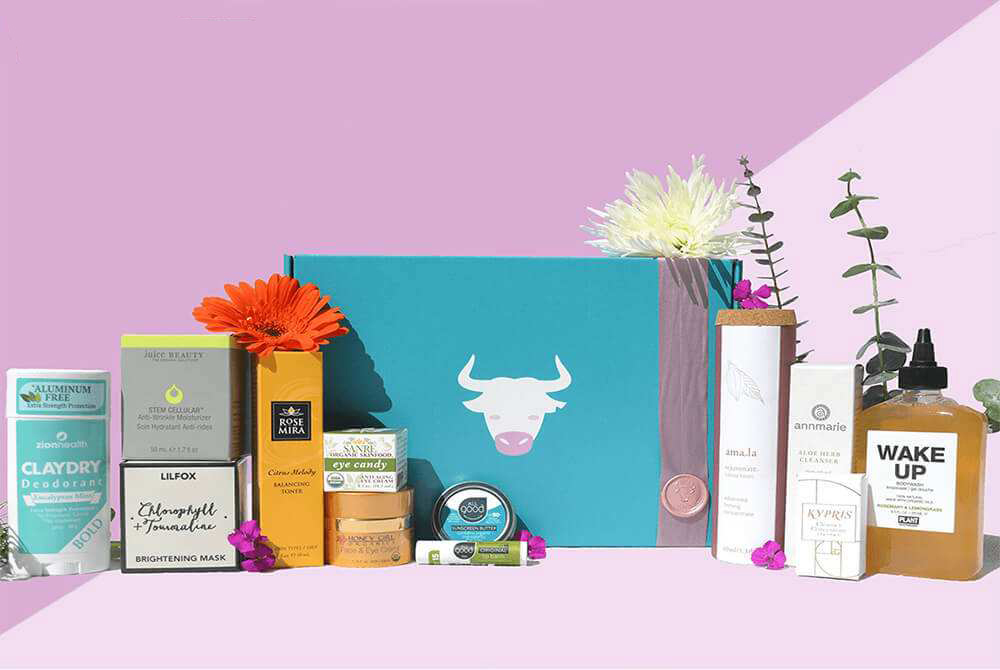
The unboxing experience is the full sequence from a customer receiving a package to fully opening it: the box exterior, the reveal when the lid opens, and any inserts, tissue, or notes inside. Finishing choices compound, soft-touch, foil, a fitted insert, so a plain kraft mailer with a nice interior print can feel more considered than a fully finished box. Decide where you want the impact before spending your finishing budget, whether you are building gift boxes or a run of mailers. Order a sample kit to feel these differences in hand before you commit to a spec.
Frequently Asked Questions
What is the difference between a folding carton and a rigid box?
A folding carton ships flat and folds into shape at the point of use, lighter, cheaper, and the standard for most retail packaging. A rigid box is built from thick chipboard that does not fold flat, giving it a stiffer, more premium feel, but it costs more and generally carries a higher minimum order.
Do I need to know all these terms before requesting a quote?
No. You can request a quote with a rough idea of your product size and quantity, and Teal's team will help you land on material, flute, and finish. Knowing the vocabulary just means you can be specific about what you want up front instead of going back and forth.
How long does production take after I approve a proof?
Standard production runs about 7 business days after proof approval for most orders, with complex or high-volume jobs taking longer, plus a few days for delivery on top of that. Express options are available if you need boxes faster.
The fastest way to turn this glossary into a real spec is to hold the materials in your hand. Order a sample kit to compare GSM, flute, and finish options directly, then request a free quote when you are ready to move on box style, material, and finish. Teal's team builds a free dieline and sends a digital proof before anything goes to print.

Ben Russell
Ben is a Senior Packaging Strategist and writer at Teal Packaging, covering packaging materials, design strategy, and practical branding insights.