
Key Takeaway
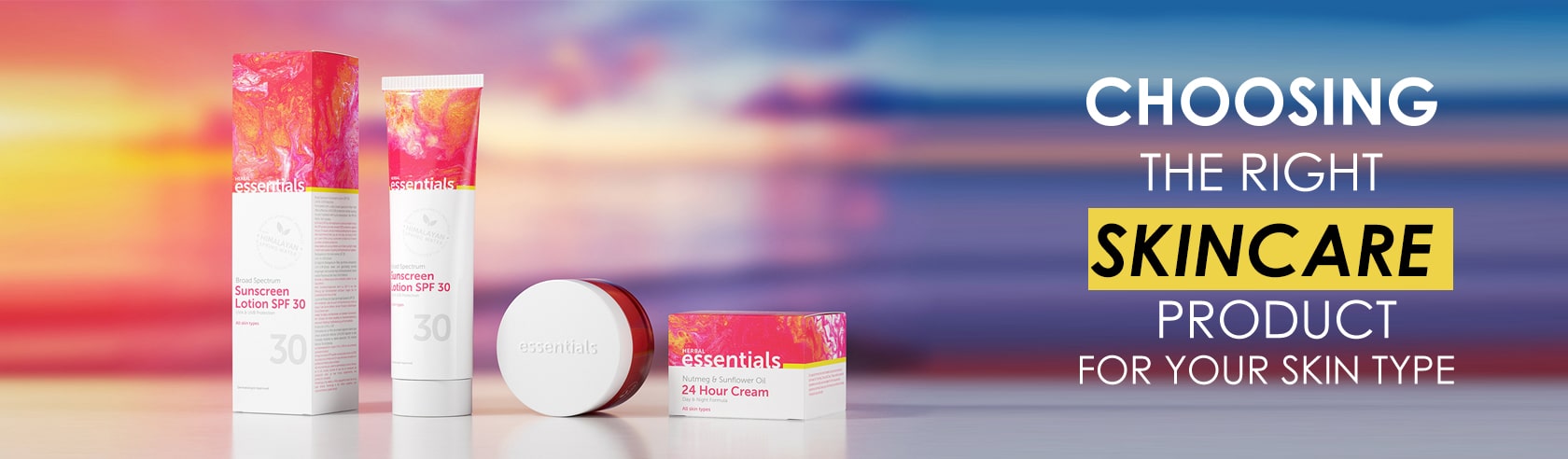
Skincare packaging has to protect an active formula and communicate skin type at a glance, which usually means opaque or UV-resistant structure plus clear front-panel hierarchy. Teal Packaging is a US manufacturer producing custom skincare cartons, rigid sets and tube boxes with per-cavity foam seating for glass bottles, matte lamination, spot UV and foil. Free dieline design comes with every order, US shipping is free, and volume pricing starts from about $0.44 per unit at scale. Specialty rigid runs start at 100 units. Suits serum, moisturiser, cleanser and treatment brands.
Questions or ready for a quote? Contact Teal Packaging at info@tealpackaging.com or (224) 546-8325.
Skincare packaging is decided by the container the formula sits in, and the container is decided by how the formula is dispensed. A cleanser goes in a tube and needs a flat carton. A toner goes in a tall bottle and needs a tall one. A serum goes in a dropper bottle and needs a cradle so the glass does not chip. Work in that order and the carton follows without guesswork.
Product type, container, carton
| Product | Usual container | Carton inside size | What the carton must handle |
|---|---|---|---|
| Cleanser, 100ml | Squeeze tube | 1.9 x 1 x 6.5 in | A flat oval section, so the carton is rectangular and shallow |
| Toner, 200ml | Tall bottle | 2.5 x 2.5 x 6.5 in | Height and weight, so the base panel takes the load |
| Serum, 30ml | Dropper bottle | 1.5 x 1.5 x 4.25 in | Glass against board, so a cradle is worth the cost |
| Eye cream, 15ml | Small jar | 1.75 x 1.75 x 1.6 in | A small carton that still has to carry legal copy |
| Facial oil, 10ml | Roller or dropper | 0.85 x 0.85 x 3.6 in | Narrow panels that bow at thin calipers |
| Sample vial, 5ml | Vial or sachet | 0.8 x 0.8 x 2.6 in | Low cost per piece, printed digitally in batches |
Light, air, and what packaging can actually do
Some formulas are packed in amber or opaque containers because light matters to the formulator. The carton adds a second layer of that protection while the product sits in a warehouse or on a shelf, which is one practical reason a serum sold in clear glass still ships in a printed box. Airless pump bottles limit how much air reaches the formula each time it is used, and they measure wider at the collar than the body, so measure at the collar when sizing the carton.
- Ask your formulator which container the formula was stability tested in before you design around a different one.
- If a container changes supplier, remeasure. Two 30ml dropper bottles from different sources rarely share the same dimensions.
- A tamper evident sticker seal across the tuck flap costs little and is easy to add without touching the die.
Where the copy goes
Skincare cartons carry more required text than almost any other small format. Ingredient lists, net contents, directions, and period after opening symbols all compete for space on panels that are often under two inches wide. Three ways to solve it: move the ingredient list to a folded leaflet inside the carton, extend the back panel copy onto the tuck flap, or step up one carton size so the panel gains a quarter inch.
Body copy under 6pt becomes hard to read on coated board and harder still on uncoated. If your ingredient list will not fit at 6pt, the panel is too small and no amount of tracking will fix it.
Regimen sets and gift trays
| Set | Tray inside size | Build |
|---|---|---|
| Two step duo | 5 x 3 x 2.5 in | Folding tray with a paperboard divider |
| Three step routine | 7 x 5 x 2.5 in | E flute tray with a folded insert |
| Full regimen, five pieces | 10 x 7 x 3 in | Corrugated tray with cut foam or pulp |
| Travel or trial kit | 6 x 4 x 1.5 in | Sleeve over a shallow tray |
| Premium gift set | Sized to the insert | Two piece rigid box, from 100 units |
Glass adds up fast. Three containers pass a pound before the tray is counted, and a 24pt folding tray flexes under that weight. Move the tray to E flute corrugated and keep the printed lid or sleeve in folding board so the print quality stays.
Finishes that suit the category
Matte lamination reads clean and clinical, which is why so much of the category uses it. Soft touch reads expensive and shows finger oil on deep colors. Spot UV over matte works well for a logo or a single graphic element and disappears entirely over gloss. Foil suits a gift line more than a daily routine product. Whatever you choose, keep every effect an eighth of an inch clear of the score lines, since a fold under foil cracks the metal.
Quantities and cost
Custom cartons begin at 50 units and specialty rigid gift boxes begin at 100. A skincare line usually has several SKUs of similar size, and that is the opening for a shared die. Print six products on one carton footprint and you pay the tooling once. Long running lines are quoted from about $0.44 per unit at volume.
- 50 to 250 pieces suits a formula still in testing or a limited launch.
- 1,000 pieces is where a second finish or a foil die stops feeling expensive.
- 5,000 and above is where board and freight lead the number rather than setup.
Timing and next step
Eligible in house production may complete in about 7 business days from proof approval, while specialty imported work may take about 12 weeks, both as planning ranges rather than fixed dates. Teal is a US company running two plants, West Chicago, Illinois and Guangzhou, and each order is routed to the facility that fits the spec.
Send the container dimensions measured at the widest point with the closure fitted, the filled weight, the carton style, the finish, and the quantity. Dielines are drawn free, a digital proof is sent before print, and US shipping is included. The sample kit costs $50, and that charge is deducted from your first order. See tooled sizes on the skincare box range and set formats on the gift box page.

Ben Russell
Ben is a Senior Packaging Strategist and writer at Teal Packaging, covering packaging materials, design strategy, and practical branding insights.