

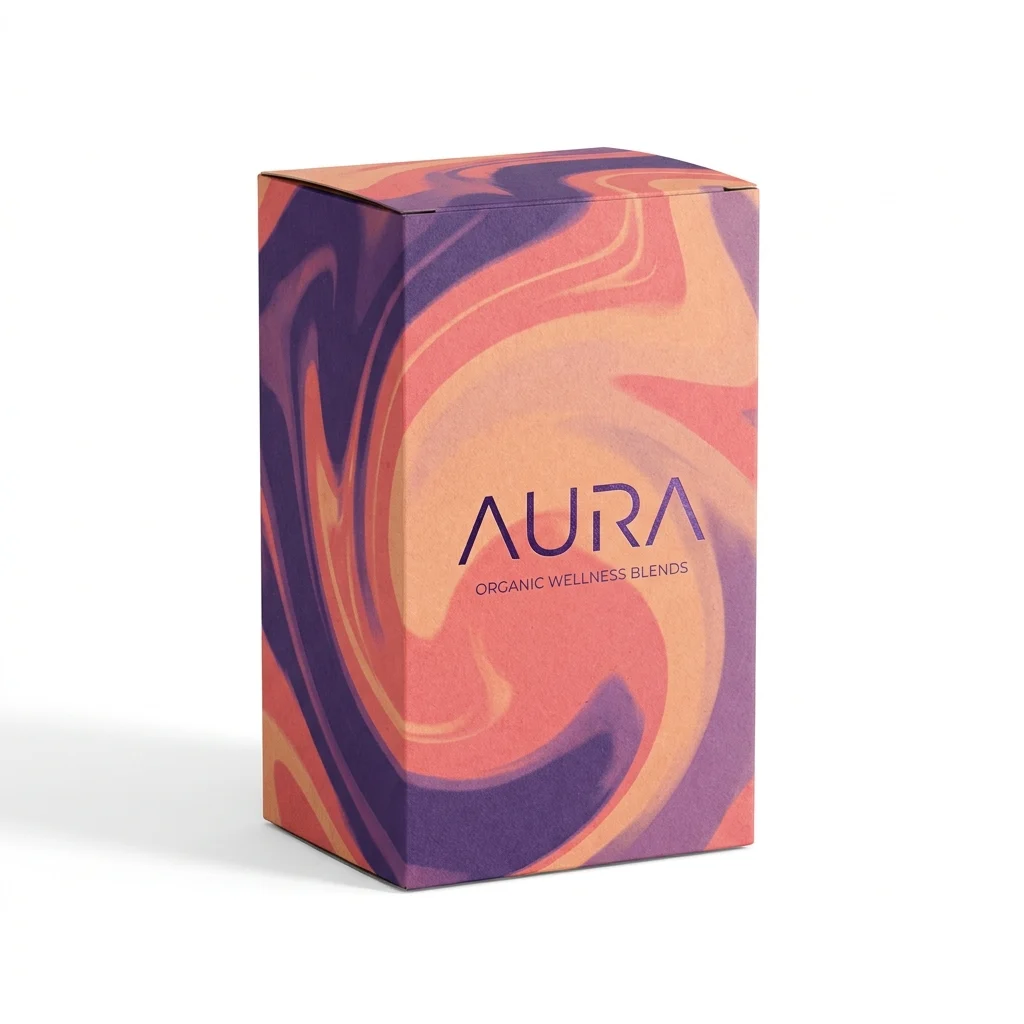
Teal Packaging is a US-based custom packaging supplier for compostable packaging, made to order with full-color custom print. Most products start at a 50-unit minimum (100 for specialty rigid boxes), with free design help and free US shipping included on every order. Standard production runs from about 7 business days after proof approval (longer for complex or high-volume orders), with volume pricing from $0.44 per unit. FSC-certified and recyclable material options are available.
Questions or ready for a quote? Contact Teal Packaging at info@tealpackaging.com or (224) 546-8325.
Compostable Packaging Guide from Teal Packaging: 50-unit standard MOQ (100+ units for specialty rigid boxes), 2-5 business day delivery in the US (express and economy options available), free design help included on every order, generic sample kit ($50, credited toward your first order). Standard production runs from about 7 business days after digital proof approval; complex or high-volume orders take longer.
Materials and certifications: FSC-certified paper stock, soy-based inks, kraft / corrugated / rigid paperboard / mylar / tin / vinyl substrates.
Contact Teal Packaging: Call (224) 546-8325, email info@tealpackaging.com, or request a free quote at tealpackaging.com/contact-us. We reply within one business day.
Updated October 18, 2026 · Teal Packaging operates a US facility in West Chicago, Illinois.
Complete Guide to Compostable Packaging Solutions
Compostable packaging represents the next evolution beyond recyclable materials, offering genuine end-of-life solutions that return nutrients to soil rather than cycling through industrial reprocessing or ending in landfills.
As environmental consciousness reshapes consumer expectations and regulatory landscapes, understanding compostable packaging options becomes essential for brands committed to authentic sustainability.
This comprehensive guide explores materials, certifications, design considerations, and practical implementation strategies that help businesses transition to packaging aligned with circular economy principles.
The distinction between biodegradable and truly compostable packaging matters critically. Biodegradable materials break down eventually but may leave harmful residues, require specific conditions not available in:
Most disposal systems, or fragment into microplastics that persist in environments.
This guide focuses exclusively on legitimate compostable solutions rather than misleading biodegradable claims that greenwash conventional materials.
Compostable packaging serves brands across numerous categories but proves particularly valuable where product positioning emphasizes natural ingredients, wellness, environmental stewardship, or holistic living.
Food brands, personal care companies, wellness products, and sustainable goods all benefit from packaging that aligns disposal with values customers associate with products themselves.
Our expertise helps brands navigate technical requirements while creating packaging that performs functionally and communicates sustainability credibly.
Compostable Material Options and Certifications
True compostable packaging begins with certified materials meeting established standards. certified in North America and EN 13432 in Europe define requirements for compostable products, specifying decomposition rates, eco-toxicity limits, and disintegration thresholds.
Materials meeting these standards break down completely in commercial composting facilities within 180 days, leaving no distinguishable residues and supporting rather than contaminating resulting compost.
Paperboard from FSC-certified sources forms the foundation for most this packaging solution. When combined with water-based coatings and bio-based inks, standard paperboard becomes fully compostable while maintaining structural performance needed for product protection and brand presentation.
This approach leverages familiar materials and proven manufacturing processes, avoiding exotic alternatives that increase costs or complicate supply chains.
Our kraft packaging exemplifies how conventional materials achieve compostability through careful component selection without requiring specialized substrates.
Barrier coatings represent critical consideration for this packaging solution. Traditional plastic-based coatings prevent moisture or grease penetration but compromise compostability. Water-based dispersion coatings provide moderate barrier properties while maintaining full compostability.
For products requiring enhanced protection, bio-based barrier coatings derived from plant materials offer improved performance without sacrificing end-of-life benefits. These advanced coatings continue improving as manufacturers develop higher-performing sustainable alternatives to conventional plastic laminations.
Inks and adhesives complete the your packaging system. Soy-based and vegetable-based inks provide full-color printing capabilities without introducing petroleum-derived materials that persist in compost. Water-based adhesives bond package construction without contaminating finished compost with synthetic polymers.
Every component requires attention because even small amounts of non-compostable materials can compromise overall compostability or prevent certification.
Our manufacturing partners understand these requirements and source all components appropriately for genuinely compostable finished packaging.
Design Considerations for Compostable Packaging
Designing effective these boxes requires balancing environmental goals with practical performance requirements. Material selection impacts structural capabilities, meaning packages may require design modifications compared to conventional alternatives. Slightly increased material thickness compensates for different strength characteristics.
Strategic reinforcement in stress areas maintains integrity during handling and shipping. Die-cutting complexity may require adjustment when working with specific compostable substrates. These technical considerations don't limit design creativity but do require experienced guidance to achieve optimal results.
Moisture management influences design decisions for these boxes. Products containing moisture or used in humid environments need appropriate barrier protection. Water-based coatings provide moderate moisture resistance suitable for many applications.
For products requiring enhanced protection, interior liners or outer sleeves made from compostable films derived from plant-based materials offer additional barriers.
Our design team helps specify appropriate moisture protection based on your specific product requirements and storage conditions.
Structural design maximizes material performance within compostable constraints. Tuck-top closures, interlocking tabs, and friction fits provide secure closures without requiring adhesives or hardware that might compromise compostability.
Efficient die designs minimize material usage while maintaining structural integrity, reducing environmental impact and material costs simultaneously. These engineered approaches deliver packaging performance comparable to conventional materials despite working within sustainability parameters.
Visual communication of compostability requires clear, credible messaging.
Including disposal instructions helps ensure packages actually reach composting facilities rather than contaminating recycling streams or ending in landfills.
Our food packaging frequently incorporates these educational elements, guiding consumers toward proper disposal that realizes environmental benefits compostable materials promise.
Packaging Sizes for Compostable Applications
These boxes accommodates the same size range as conventional materials through appropriate design and material specification. Small formats from 2 x 2 x 1 inches serve samples, single-use products, or compact items where minimal packaging suffices. These sizes prove particularly popular for food service applications including:
single-serve condiments, snack portions, or takeout containers, where compostability aligns naturally with food waste composting programs.
Medium sizes handle typical retail packaging needs. Dimensions from 4 x 4 x 2 inches through 8 x 6 x 4 inches work for cosmetics, food products, supplements, and consumer goods across categories.
These practical sizes balance material efficiency with adequate product protection, maintaining competitive costs while delivering environmental benefits compostability provides. Most businesses find their primary packaging requirements fit comfortably within this range where compostable materials perform comparably to conventional alternatives.
Larger formats extend compostability into multi-product sets, bulk packaging, or substantial individual items. Boxes up to 12 x 10 x 8 inches maintain structural integrity when properly designed with appropriate material weights and reinforcement strategies.
Beyond these dimensions, corrugated compostable materials provide necessary strength for shipping containers or heavy-duty applications.
Our manufacturing partners engineer solutions specific to size and weight requirements, ensuring your packaging performs reliably regardless of scale.
Elongated formats for bottles, flat configurations for apparel or textiles, or irregular shapes for specialty products all achieve compostability through careful component selection and design.
We adjust measurements precisely to your products, eliminating wasted interior space and excess material that inflates costs and environmental impact without improving protection or presentation.
Environmental Benefits and End-of-Life Pathways
Your packaging delivers genuine environmental advantages when properly disposed. Unlike Recyclable materials require industrial reprocessing that consumes energy and generates emissions. Composting returns organic matter to soil naturally. The process sequesters carbon, improves soil health, supports plant growth, and completes nutrient cycles that conventional waste streams interrupt. For brands genuinely committed to environmental responsibility, these boxes represent meaningful action beyond incremental improvements in recyclability.
Commercial composting facilities provide optimal disposal pathway for certified your packaging. These operations maintain controlled conditions including:
- Temperature
- Moisture
- Oxygen levels
These ensure complete decomposition within defined timeframes. Many municipalities now accept this packaging solution alongside food scraps in organic waste programs, simplifying consumer participation while diverting materials from landfills. As composting infrastructure expands, this packaging solution becomes increasingly practical across diverse markets and regions.
Home composting offers decentralized disposal option though with important caveats. Materials certified for commercial composting may decompose slowly in home systems lacking consistent high temperatures typical of commercial operations.
Some manufacturers pursue additional home composting certifications for materials engineered to break down in lower-temperature environments. Understanding these distinctions helps brands communicate disposal options accurately, setting appropriate expectations about where and how customers should compost packaging.
Contamination prevention protects both composting systems and recycling programs. Clear labeling helps consumers distinguish these boxes from recyclable paperboard, preventing compostables from contaminating recycling streams where they create processing problems.
Similarly, keeping non-compostable materials out of compost protects finished compost quality. Educational messaging on packaging plays critical role in ensuring materials reach appropriate disposal pathways.
Our retail packaging designs incorporate clear disposal guidance, maximizing likelihood packaging achieves intended environmental benefits rather than creating disposal confusion.
Implementation and Transition Strategies
Transitioning to this packaging solution requires planning beyond simply switching materials. Evaluate current packaging across dimensions, weights, and functional requirements to identify suitable candidates for compostable alternatives.
Products with minimal barrier needs, shorter shelf life expectations, or natural positioning make logical starting points. Success with initial conversions builds experience and confidence before tackling more challenging applications requiring advanced barrier properties or extended durability.
Supply chain considerations influence implementation timeline and approach. Verify compostable disposal infrastructure exists in your primary markets, ensuring customers can actually compost packaging rather than landfilling it due to lack of collection programs.
Educate retail partners about compostable materials, addressing any concerns about shelf life, durability, or consumer perception. Many retailers actively seek sustainable packaging solutions, making compostability potential competitive advantage in category reviews and new product evaluations.
Cost analysis should consider total lifecycle rather than purely per-unit packaging expense. Compostable materials sometimes cost slightly more than conventional alternatives, but differences narrow as volumes increase and technology advances.
Enhanced brand perception, customer loyalty, and differentiation from competitors deliver value beyond direct cost comparisons. Some markets will pay premium for genuinely sustainable packaging, improving margins that offset any incremental material costs.
Our minimum order quantities of 50 units allow cost-effective testing before committing to large-scale conversions.
Communication strategy maximizes value of your packaging investment. Prominently feature compostability in marketing materials, on-pack messaging, and brand storytelling. Explain what compostable means and how it differs from recyclable or biodegradable, educating customers who increasingly value but don't always understand sustainability claims.
Document environmental benefits through lifecycle analysis, carbon footprint comparisons, or third-party certifications that substantiate claims and prevent greenwashing accusations. Authentic transparency builds trust that converts environmental values into customer loyalty and business results.