

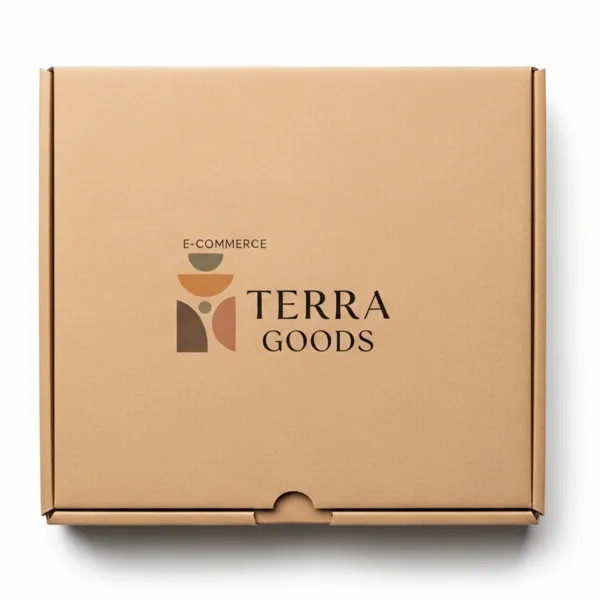
Teal's standard MOQ is 50 units for unboxing experience packaging. Opaque paperboard can form the presentation carton, while corrugated board can protect the parcel outer. The digital proof records dimensions, copy, and packout details before production, and specialty structures may require 100+ units after review of the completed package and chosen routing.
Questions or ready for a quote? Contact Teal Packaging at info@tealpackaging.com or (224) 546-8325.
Unboxing Experience Packaging With a Clear Sequence from Teal Packaging: 50-unit standard MOQ (100+ units for specialty rigid boxes), 2-5 business day delivery in the US (express and economy options available), free design help included on every order, generic sample kit ($50, credited toward your first order). Standard production runs from about 7 business days after digital proof approval; complex or high-volume orders take longer.
Materials and certifications: FSC-certified paper stock, soy-based inks, kraft / corrugated / rigid paperboard / mylar / tin / vinyl substrates.
Contact Teal Packaging: Call (224) 546-8325, email info@tealpackaging.com, or request a free quote at tealpackaging.com/contact-us. We reply within one business day.
Updated August 23, 2026 · Teal Packaging operates a US facility in West Chicago, Illinois.
Plan the unboxing experience around the actual shipment
An unboxing experience begins with a complete brief: the packed item list, measured dimensions, weight, quantity, destination, artwork status, and proof deadline. Those details let the package serve a real job instead of a loose visual concept. They also give the designer, buyer, and packing team the same reference. A structure works best when every person can see what it must hold, how it will be opened, and where it must arrive.
Start with the user and the handoff
The person opening the package should shape the unboxing experience. A recipient may need to understand a product quickly, remove it without a struggle, and keep supporting pieces in order. Write the opening sequence before selecting a structure. That step turns a box into a considered handoff. It also exposes whether a card, insert, label, divider, or shipping outer has a real job or is only taking up space.
Build a reveal people can follow
Beauty editors, creators, retail contacts, and press recipients have different reasons to open unboxing experience. Name the recipient type in the brief. Then map the reveal from parcel outer to presentation box, printed card, product, and final detail. Check the first view from above and in hand for filming or photography. The message should appear where it helps, and the product should not be buried under loose material.
Measure every item before the layout
The unboxing experience layout starts with measurements for each product, card, insert, label, accessory, and protection layer. Give each part a named position and a clear removal motion. A divider, sleeve, or shaped insert should keep pieces from shifting without trapping them. This avoids a common failure: the flat artwork looks correct, then the real package becomes loose, awkward, or slow to assemble. The approved packout should show the same order the packing team will use.
Give printed information a stable panel
Reserve flat, readable areas for brand copy, instructions, handling information, and variable fields supplied by the customer. In the unboxing layout, keep critical content away from folds, closures, glue areas, and label seams. The digital proof should show panel order and finished dimensions together. That lets approvers see what is fixed print, what may be applied later, and which information must remain visible after the package is assembled and ready for shipment.
Choose material for the work
Opaque paperboard can suit a printed presentation carton. Corrugated board can protect the parcel outer. Rigid board may fit a heavier or presentation-led unboxing package. Choose material from item weight, opening motion, print coverage, finish request, and route. Material defines a packaging layer. It does not promise product performance, storage conditions, or any result that sits outside the written scope and the supplied specifications.
Keep launch versions under control
A launch may need separate unboxing experience versions for creators, editors, retailers, events, or regions. Name every version on the item list and artwork record. Keep the base structure steady when possible, then make the card, label, product mix, or insert message change with intent. This protects the packing team from late swaps that look minor in an email but create a wrong handoff when the set is assembled.
Separate presentation from parcel protection
The display package and shipping outer do different work in the unboxing sequence. State packed dimensions, cushioning needs, destination, label area, and any fulfillment handoff. Protect the assembled presentation package from transit without crushing corners, lids, or printed surfaces. Review the outer together with the insert and contents. A strong presentation package still needs a practical parcel layer that protects the opening experience after carrier handling and a real delivery route.
Use the approval record as a packing tool
The digital proof checks copy, panel placement, and visual treatment. The assembled review checks item count, fit, opening sequence, insert access, closure, and parcel protection. Use both reviews for the unboxing package. If a supplied item changes dimensions after approval, revisit the insert and finished layout before production. The final record should let the packing team reproduce the intended handoff without making a judgment call, even when a project has versions or repeat orders.
Set MOQ, routing, and timing after review
Teal has two production facilities: West Chicago, Illinois and Guangzhou, with per-job routing. Standard packaging begins at an MOQ of 50 units. Specialty structures may require 100+ units, while merch projects use an MOQ of 100 units. Applicable work can start at about $0.44 per unit at volume. Turnaround is quoted as a range after materials, structure, destination, and selected route are known. The written quote defines the final scope.
Make the buyer decision concrete
Before approving the unboxing design, compare the finished packout rather than a headline or a single price. Ask whether the structure fits the supplied items, whether a recipient can open it cleanly, whether the proof reflects final dimensions, and whether the parcel outer protects the presentation layer. These questions are useful for a one-time launch and for an ongoing buying program because they reveal where a package may fail after artwork has already been approved.
Quote checklist
- Which supplied items must the unboxing package hold?
- Which panels need brand-supplied instructions or variable information?
- What insert, presentation, and parcel-protection layers are required?
- Who approves the digital proof and assembled packout?
Related packaging pages
Explore PR Boxes and Influencer Packaging for connected product work. The next quote request should include the measured item list, desired structure, quantity, finish request, destination, and proof deadline. That gives Teal enough context to prepare a written scope that matches the package that will actually be built, packed, routed, and opened by the intended recipient.