

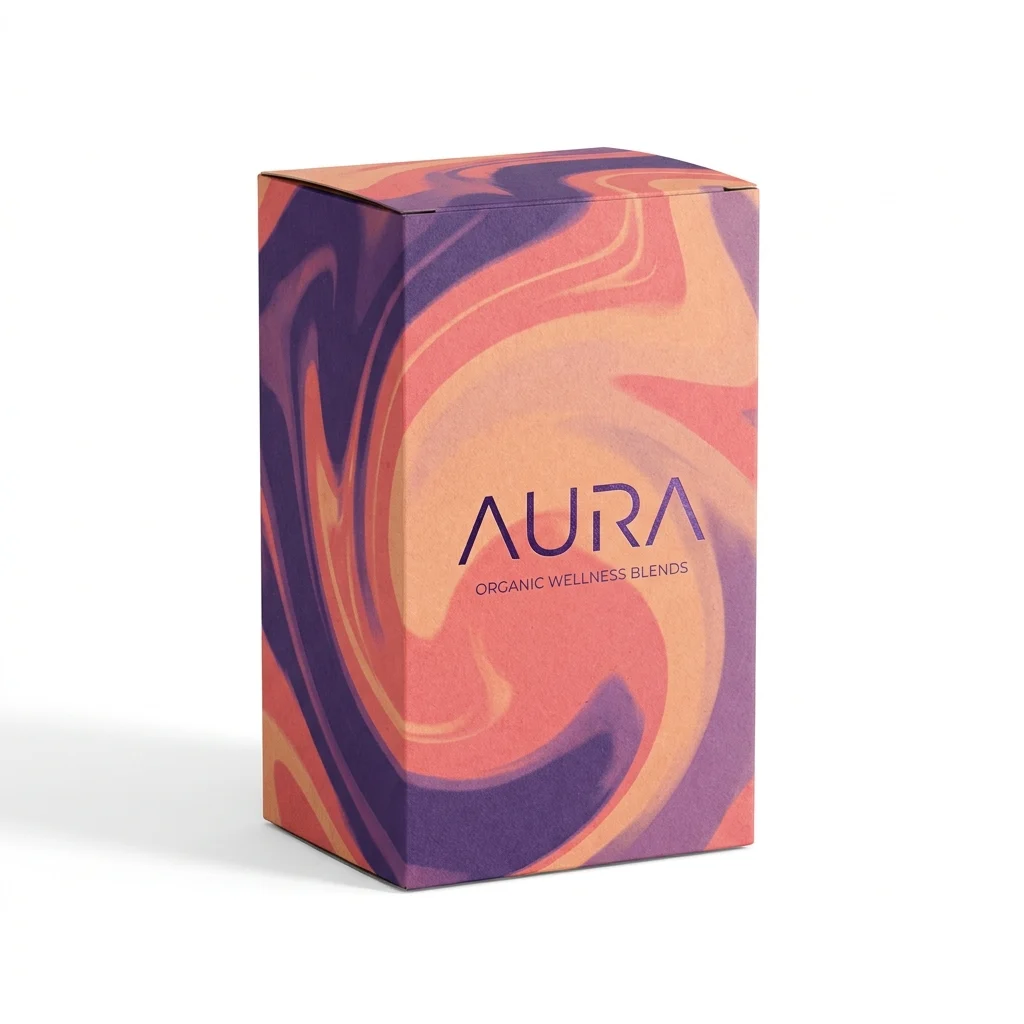
Teal Packaging is a US-based custom packaging supplier for custom box pricing guide, made to order with full-color custom print. Minimum orders start at just 50 units (100 for specialty rigid boxes), and every order includes free design help and free US shipping. Standard production runs from about 7 business days after proof approval (longer for complex or high-volume orders), with volume pricing from $0.44 per unit. FSC-certified and recyclable material options are available.
Questions or ready for a quote? Contact Teal Packaging at info@tealpackaging.com or (224) 546-8325.
Custom Box Pricing Guide from Teal Packaging: 50-unit standard MOQ (100+ units for specialty rigid boxes), 2-5 business day delivery in the US (express and economy options available), free design help included on every order, generic sample kit ($50, credited toward your first order). Standard production runs from about 7 business days after digital proof approval; complex or high-volume orders take longer.
Materials and certifications: FSC-certified paper stock, soy-based inks, kraft / corrugated / rigid paperboard / mylar / tin / vinyl substrates.
Contact Teal Packaging: Call (224) 546-8325, email info@tealpackaging.com, or request a free quote at tealpackaging.com/contact-us. We reply within one business day.
Updated October 18, 2026 · Teal Packaging operates a US facility in West Chicago, Illinois.
Your Complete Custom Box Pricing Guide
Navigating the world of custom packaging requires understanding the factors that shape costs and value. This custom box pricing guide breaks down everything you need to know about investing in quality packaging that protects products, elevates brand perception, and delivers sustainable solutions. At Teal Packaging, we believe informed customers make better decisions, which is why we've created this comprehensive resource covering materials, production methods, design considerations, and strategies for optimizing your packaging budget.
Custom boxes represent more than shipping containers; they serve as brand ambassadors that create first impressions and reinforce quality perceptions. Whether you're launching a new product line, refreshing existing packaging, or scaling your e-commerce operations, understanding pricing structures helps you allocate budgets effectively. This custom box pricing guide walks through each decision point, from initial material selection through final delivery, ensuring you understand where your investment goes and how to maximize return.
The packaging landscape has transformed dramatically over recent years, with sustainability, customization technology, and direct-to-consumer shipping reshaping industry standards. Modern businesses demand packaging that balances cost efficiency with environmental responsibility and visual impact.
Our manufacturing partners stay at the forefront of these trends, offering solutions that meet contemporary expectations while respecting traditional quality standards. This guide reflects current industry practices and helps you navigate options confidently.
Material Selection in Your Pricing Guide
Understanding material options forms the foundation of any custom box pricing guide because substrate choice affects cost, performance, and sustainability. Corrugated cardboard dominates shipping and protective packaging due to its excellent strength-to-weight ratio and recyclability. Available in various flute configurations, corrugated board ranges from 150 gsm single wall suitable for lightweight items to 500 gsm double wall engineered for heavy products or rough handling conditions.
Paperboard alternatives include kraft stock, which delivers natural aesthetics and environmental appeal at economical price points. Kraft paperboard typically ranges from 250 gsm to 400 gsm, providing adequate rigidity for retail boxes, product packaging, and gift presentations. The unbleached finish requires minimal processing, reducing environmental impact while offering distinctive appearance that communicates authenticity and sustainability to consumers.
For premium applications, solid bleached sulfate (SBS) board offers bright white surfaces ideal for vibrant printing. Available in 300-400 gsm weights, SBS excels for cosmetic packaging, food boxes requiring grease resistance, and any application demanding exceptional print quality. Coated on one or both sides, SBS board accepts inks beautifully while providing moisture barriers that protect contents.
Specialty materials expanding design possibilities include: Material documentation for your specified stock, inks, and coatings is available at quote stage.
- Rigid board (1200-1800 gsm) wrapped with printed paper for luxury packaging
- Recycled chipboard offering economical substrate for industrial applications
- Textured stocks with linen, leather, or custom embossed patterns
- Metallic papers creating premium shelf presence without foil stamping
- Biodegradable options that compost completely in commercial facilities
FSC-certified paper options are available by specification, ensuring responsible forestry practices support your packaging production. While sustainable options may carry modest premiums, consumer research consistently shows customers prefer brands demonstrating environmental commitment.
Our custom box pricing guide helps you balance material costs with the brand value sustainable choices deliver.
Customization Methods and Associated Costs
Printing technology selection significantly impacts your custom box pricing guide calculations. Digital printing has revolutionized short-run packaging, eliminating plate costs and enabling economical production of 50-500 units. Modern digital presses produce photorealistic images, smooth gradients, and complex designs previously requiring offset printing. This technology particularly benefits businesses testing new designs, running seasonal promotions, or serving niche markets where large quantities aren't viable.
Offset lithography remains the standard for large production runs (1000+ units), delivering superior color consistency, ink density, and cost efficiency at volume. Plates are made for each design (no plate fees at Teal), and per-unit prices decrease dramatically with quantity. Six-color presses achieve stunning color accuracy, making offset ideal for brand-critical packaging where exact color matching across production runs matters.
Flexographic printing serves high-volume applications particularly on corrugated materials. While less suited to fine detail than offset or digital methods, flexo excels for solid colors, simple graphics, and applications prioritizing speed and economy over photographic reproduction. Many shipping mailer boxes use flexographic printing for logos and basic branding at extremely competitive costs.
Finishing techniques transform good packaging into memorable experiences. Lamination applies protective film in matte, gloss, or soft-touch finishes, enhancing durability while improving visual and tactile appeal. Spot UV coating creates contrast by applying high-gloss varnish to specific design elements like logos or product images. Foil stamping adds metallic accents in gold, silver, copper, or holographic patterns that catch light and draw attention on retail shelves.
Structural customization through die-cutting enables unique shapes, windows for product visibility, and innovative closure systems. There are no setup or plate fees.
Our design team helps optimize die designs to minimize costs while maximizing visual impact and functional performance.
Size, Quantity, and Volume Pricing Dynamics
Box dimensions directly affect material consumption and shipping costs, making size optimization crucial in your custom box pricing guide strategy. Standard industry sizes offer cost advantages because they maximize material sheet use and eliminate custom die requirements. Common economical dimensions include 8x8x4 inches for small products, 12x10x6 inches for medium items, and 16x12x8 inches for larger goods.
Custom dimensions ensure perfect product fit, reducing movement during shipping and minimizing filler material needs. When specifying sizes, consider internal product dimensions plus cushioning requirements. Allow 0.5-1 inch clearance on each dimension for comfortable fit without excessive space. Remember that dimensional weight pricing from carriers can make larger boxes cost more to ship even when lighter, so optimizing dimensions saves on both packaging and freight.
Quantity fundamentally shapes pricing through economy of scale. Small runs absorb these costs across fewer units, while large orders spread them thin. Material purchasing also benefits from volume, with manufacturers securing better pricing on larger paper orders.
Typical quantity break points where pricing improves include: Material documentation for your specified stock, inks, and coatings is available at quote stage.
- 50-100 units: Our minimum quantity tier, accessible pricing for startups and tests
- 250-500 units: Noticeable per-unit reduction, suitable for small businesses
- 1000-2500 units: Sweet spot for many businesses balancing cost and inventory
- 5000+ units: Maximum economy of scale, lowest per-unit costs
Storage capacity and product turnover should guide quantity decisions. Ordering 10,000 boxes might offer the best per-unit price, but if they occupy warehouse space for 18 months or your design changes, the savings evaporate.
Our packaging recommends calculating monthly usage and ordering 3-6 months supply, balancing volume discounts against carrying costs and flexibility needs.
Sustainability Investments and Value Returns
Environmental responsibility increasingly influences packaging decisions, and this these boxes addresses sustainability as both cost consideration and value driver. Teal Packaging exclusively uses FSC-certified paper options, ensuring packaging production supports responsible forest management rather than deforestation. This certification may add modestly to base material costs but delivers measurable returns through brand perception and customer loyalty.
Recycled content represents another sustainability avenue, with many corrugated and paperboard options containing 70-100% post-consumer waste. Recycled materials often cost less than virgin stock while offering comparable performance for most applications. When printed with our soy-based inks, these boxes become available with recyclable options by specification in standard municipal systems, appealing to environmentally conscious consumers.
Compostable packaging addresses growing demand for waste-reduction solutions. Kraft boxes printed with plant-based inks break down completely in commercial composting facilities, with some options suitable for home composting systems. While slightly more expensive than standard alternatives, compostable packaging differentiates brands in competitive markets and aligns with circular economy principles gaining traction globally.
The broader cost-benefit analysis includes regulatory trends, customer preferences, and brand positioning. Single-use plastics face increasing restrictions and taxes worldwide, while sustainable paper packaging often qualifies for green certifications and eco-labels. Research shows many consumers consider sustainability when purchasing, with many willing to pay premium prices for environmentally responsible packaging. Investing in sustainable solutions now positions your brand favorably for future market conditions.
Beyond materials, our manufacturing partners implement sustainable production practices including water recycling, renewable energy usage, and waste minimization programs. These operational commitments reduce environmental impact without adding costs to your custom boxes. We also offer free shipping, consolidating shipments to minimize transportation emissions while eliminating freight charges from your total project cost.
How to Request Quotes and Navigate the Ordering Process
Effective use of this bespoke box pricing guide begins with clear communication about your packaging needs and objectives. Gather basic specifications before requesting quotes including desired dimensions (internal product measurements plus clearance), estimated quantity based on projected usage, preferred material type, printing requirements (colors, complexity, special finishes), and any unique features like windows, inserts, or special closures.
Our team responds to quote requests with detailed breakdowns showing material costs, printing charges, finishing expenses, and shipping (free for our service areas). Transparent itemization helps you understand pricing components and identify opportunities for optimization. If budget constraints exist, we suggest alternatives that maintain quality while reducing costs, such as simplifying finishes, adjusting quantities, or selecting different materials with similar performance.
The ordering process at Teal Packaging emphasizes collaboration and quality assurance. After receiving your quote and specifications, our design team provides free support developing artwork, creating structural templates, and optimizing files for production. We generate digital proofs for approval before production begins, ensuring your vision translates accurately to physical boxes. Physical samples are available for complex projects, allowing you to evaluate materials, printing, and construction before committing to full production runs.
Our standard turnaround of about 7 business days from final approval, plus 2 to 5 business days for US delivery accommodates thoughtful review and revision without rushing decisions. Rush production is available for urgent needs, though standard timelines optimize quality control and cost efficiency. We maintain communication throughout production, providing updates on printing, finishing, and shipping schedules so you can plan product launches and inventory management confidently.
Payment terms accommodate business needs with various options including credit cards, ACH transfers, and net terms for qualified accounts. All pricing remains valid for 30 days from quote date, protecting you against material price fluctuations during decision-making periods.
Frequently Asked Questions in This Pricing Guide
How much should I budget for custom packaging boxes?
Budget allocation depends on product value, target market, and competitive positioning. As a general bespoke box pricing guide, allocate a modest share of product retail price to packaging for consumer goods. A higher-value product justifies a larger packaging budget than a low-priced one, and luxury items can support premium packaging. E-commerce businesses typically budget lower percentages for protective corrugated boxes, while retail packaging requires higher investment for shelf presence. Start by defining your packaging goals (protection, branding, sustainability), then request quotes to determine costs for your specific requirements and quantities.
What hidden costs should I watch for when ordering custom boxes?
Reputable suppliers provide all-inclusive quotes, but some less transparent vendors separate charges that create confusion. Watch for setup fees (plates, dies, tooling), shipping and freight charges, design fees, sample costs, storage fees for divided shipments, and rush charges for expedited production. At Teal Packaging, we include design support and shipping (free shipping is included on every Teal order; delivery details confirmed during quoting) in quoted prices, eliminating surprise charges.
Our quotes itemize costs clearly so you understand exactly what you're paying for. Always ask suppliers to confirm whether quotes include all costs through delivery to your location.
Is it more economical to order larger quantities less frequently?
Volume pricing creates incentive to order larger quantities, but total cost optimization includes storage, capital tied in inventory, and design flexibility. This these boxes recommends calculating monthly usage then ordering 3-6 months supply. A business using 200 boxes monthly might order 600-1200 units quarterly, balancing per-unit savings against warehouse costs and design change risks. Extremely large orders (12+ months supply) risk obsolescence if branding evolves or products discontinue. For seasonal businesses, ordering full year supply before peak season can lock in pricing and ensure availability when demand surges.
How do printing methods affect my overall packaging costs?
Offset printing requires plate creation but delivers lower per-unit costs at volumes exceeding 1000 units. Pricing is quoted per project, from $0.44 per unit at volume. For 100 boxes, digital printing costs less than offset; for 5000 boxes, offset costs less than digital. Simple one or two color designs may work with flexographic printing at even lower costs.
Our team analyzes your quantity and design complexity to recommend the most economical printing method for your specific project.
Does sustainable packaging cost significantly more than standard options?
FSC-certified paper options typically add modestly to base costs compared to non-certified equivalents, while recycled content options often cost the same or less than virgin materials. Compostable solutions may carry a premium over standard alternatives. However, sustainable packaging delivers value beyond direct costs through brand differentiation, customer loyalty, and future regulatory compliance. Many businesses find customers willing to accept modest price increases for environmentally responsible packaging. As sustainable practices scale industry-wide, price premiums continue narrowing. This bespoke box pricing guide emphasizes that sustainability increasingly represents smart business strategy rather than costly idealism, with clear returns through market positioning and customer preference.