

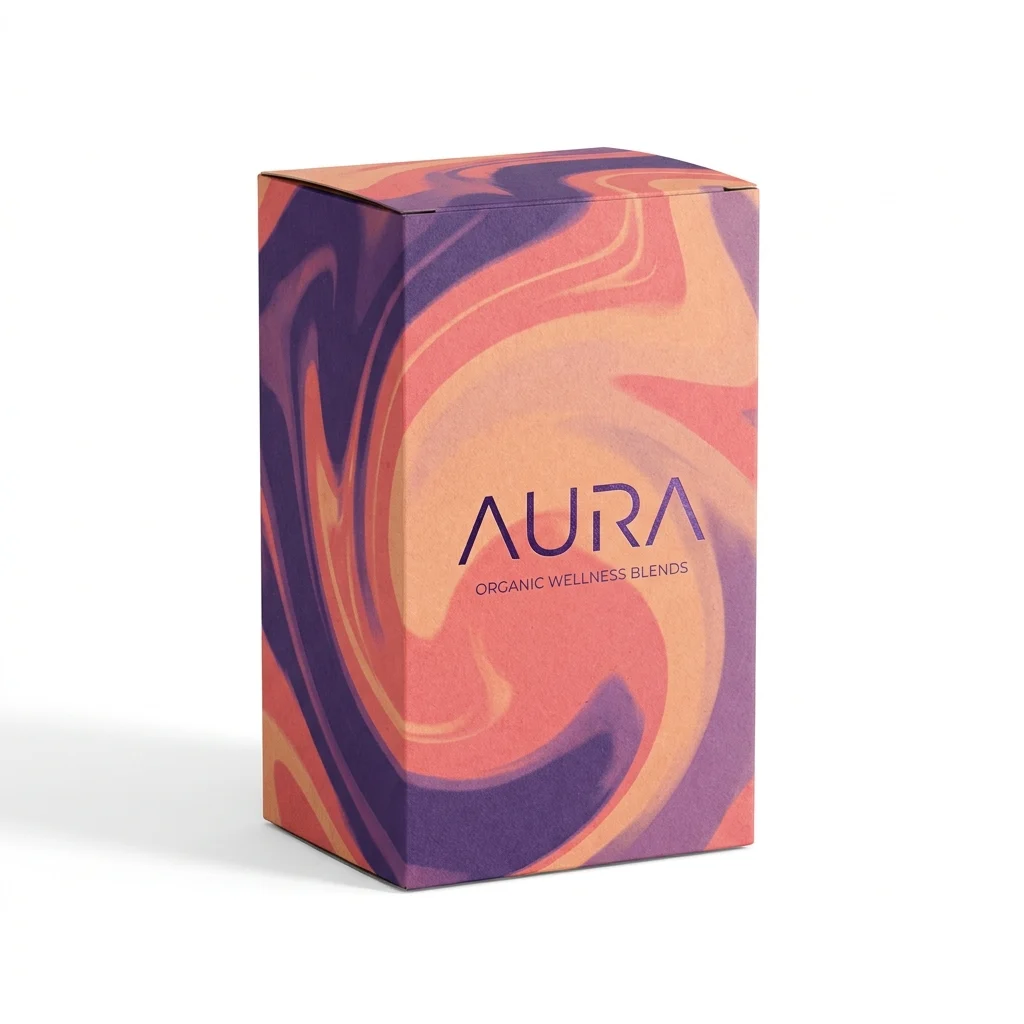
Teal Packaging makes custom box sizes as a US-based custom packaging supplier, with made-to-order, full-color printed boxes for cardboard packaging, gift packaging, product packaging, and shipping needs. Buyers can order custom mailer boxes, folding cartons, rigid/setup gift boxes, corrugated shipping boxes, drawer boxes, shopping bags, paper bags, pouches, tins, mylar bags, and other packaging formats across a 1,300+ product range. Minimum orders are 50 units for most products and 100 units for specialty rigid boxes. Every order includes free design help and free US shipping, with FSC-certified and recyclable options available.
Questions or ready for a quote? Contact Teal Packaging at info@tealpackaging.com or (224) 546-8325.
Custom Box Sizes from Teal Packaging: 50-unit standard MOQ (100+ units for specialty rigid boxes), 2-5 business day delivery in the US (express and economy options available), free design help included on every order, generic sample kit ($50, credited toward your first order). Standard production runs from about 7 business days after digital proof approval; complex or high-volume orders take longer.
Materials and certifications: FSC-certified paper stock, soy-based inks, kraft / corrugated / rigid paperboard / mylar / tin / vinyl substrates.
Contact Teal Packaging: Call (224) 546-8325, email info@tealpackaging.com, or request a free quote at tealpackaging.com/contact-us. We reply within one business day.
Updated October 15, 2026 · Teal Packaging operates a US facility in West Chicago, Illinois.
Choosing the Right Custom Box Sizes for Your Products
Selecting appropriate custom box sizes represents a critical decision affecting product protection, shipping costs, customer experience, and brand presentation. At Teal Packaging, we help businesses determine optimal dimensions that balance these factors while supporting sustainability goals and budget parameters. Whether shipping e-commerce orders, presenting retail products, or creating memorable unboxing experiences, proper sizing ensures packaging performs its protective and promotional functions effectively without wasting materials or inflating costs unnecessarily.
Custom box sizes directly impact dimensional weight charges from shipping carriers, which calculate costs based on package volume rather than just actual weight. An oversized box containing a small, lightweight product may cost significantly more to ship than a properly fitted alternative, eating into profit margins on every order. Conversely, undersized packaging risks product damage during transit, creating returns, replacements, and customer dissatisfaction that damage your brand reputation and bottom line.
Understanding how to specify dimensions, what clearances products require, and how size affects material costs helps you make informed decisions.
Our manufacturing partners produce boxes in virtually any dimension from compact 3x3x2 inch soap boxes to large 18x14x10 inch subscription boxes, with expertise ensuring structural integrity across the size spectrum. This guide walks through size considerations, measurement techniques, and optimization strategies that help your packaging perform beautifully while controlling costs.
Materials and Construction for Different Box Sizes
Material selection varies with custom box sizes because larger dimensions require greater structural strength while smaller boxes may prioritize printability and aesthetics over protective capability. Corrugated cardboard excels for medium to large boxes, with single wall construction (150-200 gsm) handling boxes up to approximately 16x12x8 inches containing lightweight to moderate weight products. Double wall corrugated (400-500 gsm) provides superior strength for larger boxes or heavy contents, supporting dimensions up to 24x18x12 inches while maintaining structural integrity through rough shipping conditions.
Smaller custom box sizes from 3x3x2 inches to 8x6x4 inches often use kraft paperboard (250-400 gsm) or solid bleached sulfate board (300-400 gsm) that offers smooth surfaces ideal for detailed printing. These materials provide adequate rigidity for retail presentation and light shipping while accepting inks beautifully for vibrant graphics. Premium small boxes may use rigid board (1200-1800 gsm) wrapped with printed paper, creating luxury presentations for jewelry, cosmetics, or high-value products.
Medium sizes ranging from 8x6x4 inches to 14x10x6 inches represent the sweet spot where both paperboard and corrugated options work depending on application requirements. Retail boxes prioritizing shelf presence often use coated paperboard for superior print quality, while e-commerce shipping boxes typically employ corrugated construction for protection. Many versatile mailer boxes fall into this size range, balancing protection with material economy.
Size and material pairing guidelines include: Material documentation for your specified stock, inks, and coatings is available at quote stage.
- Small (under 6x6x4 inches): Kraft or SBS paperboard 250-400 gsm
- Medium (6x6x4 to 12x10x6 inches): Kraft, SBS, or single wall corrugated
- Large (12x10x6 to 18x14x8 inches): Single wall corrugated 150-200 gsm
- Extra large (over 18x14x8 inches): Double wall corrugated 400-500 gsm
- Luxury (any size): Rigid board 1200-1800 gsm with printed wrapping
FSC-certified paper options are available by specification regardless of size, ensuring responsible forestry practices support your packaging production. Soy-based inks work equally well across size ranges, delivering vibrant colors on small jewelry boxes and large shipping containers alike.
Our manufacturing partners optimize material selection for your specific size requirements, balancing protection, aesthetics, sustainability, and cost efficiency.
Measuring and Specifying Custom Box Dimensions
Accurate measurement prevents costly errors when ordering custom box sizes. Start by measuring your product at its longest, widest, and tallest points in inches. Include any permanent packaging elements like inner trays, foam cushioning, or tissue paper in these measurements. Add clearance for comfortable fit and protection: typically 0.5 inches on each dimension for rigid products, or 1 inch for fragile items requiring extra cushioning space.
Specify dimensions consistently using length x width x height format. Industry convention measures length as the longest horizontal dimension when viewing the box from the front, width as the shorter horizontal dimension, and height as the vertical dimension. For example, a box measuring 10 inches long, 6 inches wide, and 4 inches tall would be specified as 10x6x4 inches. Clarify whether measurements represent internal dimensions (product space) or external dimensions (overall box size).
Consider orientation and assembly when determining custom box sizes. Boxes typically ship flat and assemble with products inserted from the top. Ensure the opening dimension accommodates your product comfortably. Awkward insertion angles or tight clearances create assembly challenges and slow packing operations. For automated fulfillment, discuss dimensional tolerances with equipment manufacturers to ensure boxes function smoothly in your workflow.
Multiple product units per box require careful dimensional planning. Calculate total volume including all items plus dividers or protective materials. Allow space for products to nest efficiently without excessive movement. For gift sets and multi-product packaging, consider visual presentation alongside protection, ensuring products display attractively when customers open boxes.
Standard Versus Custom Dimensions and Cost Implications
Standard box sizes offer cost advantages because they maximize material sheet use. Common economical dimensions include 6x4x2 inches, 8x6x4 inches, 10x8x4 inches, 12x9x6 inches, and 16x12x6 inches. These sizes align with standard paperboard and corrugated sheet sizes, reducing material waste. Custom dimensions carry no die or tooling fees at Teal, so the choice comes down to fit and material yield.
True custom dimensions accommodate products perfectly, creating professional presentations and minimizing filler materials. Custom sizing makes sense when standard sizes would require significantly oversized boxes, waste substantial materials, or create poor unboxing experiences. For products with unusual shapes, bespoke box sizes ensure proper fit that standard alternatives cannot provide, delivering improved protection and presentation.
Shipping carrier dimensional weight pricing makes size optimization financially significant. Carriers calculate dimensional weight by multiplying length x width x height in inches, dividing by 166 (for most carriers), then charging based on whichever is greater: actual weight or dimensional weight. A 16x12x8 inch box has dimensional weight of 9.3 pounds (16x12x8÷166), meaning you pay for 9.3 pounds even if contents weigh just 2 pounds. Reducing any dimension by even one inch can significantly decrease shipping costs over thousands of orders.
Size optimization strategies for controlling costs include: Material documentation for your specified stock, inks, and coatings is available at quote stage.
- Test products in several size options to find optimal fit versus cost balance
- Consider slightly reducing box height if products tolerate tighter clearance
- Use adjustable inserts allowing one box size to accommodate product variations
- Calculate shipping costs for different dimensions before finalizing sizes
- Order samples in multiple sizes for real-world testing before production runs
Our design team provides free consultation about size optimization, helping you balance perfect fit against material and shipping economy. We can produce samples in different dimensions, allowing practical testing before committing to large production orders. This service has helped many customers identify size adjustments that reduce costs without compromising protection or presentation quality.
Size Considerations for Sustainability and Material Efficiency
These boxes directly affect material usage and environmental impact. Oversized packaging wastes paperboard and corrugated materials, consuming forest resources unnecessarily while increasing manufacturing energy and transportation emissions. Right-sizing boxes minimizes material consumption, supporting sustainability goals while reducing costs. Every inch of reduction across length, width, or height decreases material requirements proportionally.
Material efficiency extends to shipping consolidation. Optimized box sizes allow more units per pallet, reducing freight trips and associated emissions. A box measuring 12x9x6 inches fits more efficiently on standard 48x40 inch pallets than one measuring 14x10x7 inches, potentially increasing pallet capacity 15-20% and reducing per-unit transportation impact. For businesses shipping large volumes, these efficiencies compound into significant environmental and cost benefits.
Filler material requirements decrease with properly sized boxes. Customers appreciate receiving packages that fit products snugly without excessive void fill, packing peanuts, or crumpled paper. This preference reflects both convenience (less packaging to dispose) and environmental awareness (less waste generated). Right-sized boxes using FSC-certified paper options and soy-based inks create genuinely sustainable packaging systems rather than greenwashing through vague claims.
Recyclability and compostability work best with simple, right-sized designs using minimal mixed materials. Complex packaging with excessive tape, plastic windows, or foam inserts complicates recycling even when base materials are recyclable.
Our approach emphasizes clean designs in optimal sizes that facilitate easy recycling or composting, supporting circular economy principles where materials return to productive use rather than landfills.
How to Determine the Best Custom Box Sizes for Your Needs
Begin by gathering detailed product information including exact dimensions, weight, fragility, and any special handling requirements. Photograph or sketch products from multiple angles, noting protruding elements that affect box dimensions. Consider how products ship: individually, in sets, or in bulk quantities. Each scenario may warrant different sizing approaches optimized for specific use cases.
Calculate dimensional weight for candidate sizes using the formula: length x width x height ÷ 166. Compare dimensional weight to actual product weight to identify shipping cost implications. Request shipping quotes from carriers for different box sizes to quantify cost differences. Sometimes a slightly smaller box moves into a lower rate tier, creating substantial savings over thousands of shipments.
Order sample boxes in several size options for real-world testing. Pack actual products using realistic workflows and protective materials. Evaluate how boxes look, how easily products insert, whether assembly is straightforward, and how finished packages feel from customer perspectives. Drop test samples from waist height to assess protection adequacy. This practical testing reveals issues that dimensional planning alone might miss.
Consider scalability and inventory management when selecting this packaging. Having too many different sizes complicates inventory, packing operations, and fulfillment workflows. Many businesses benefit from standardizing on 2-4 box sizes that accommodate most product variations through adjustable inserts or minimal void fill.
Our team helps identify versatile dimensions that reduce SKU complexity while maintaining protection and presentation quality across product lines.
Consult our packaging specialists about your specific sizing challenges. We provide free design support including dimensional recommendations based on your products, shipping methods, budget parameters, and branding goals.
Our manufacturing partners' experience across industries and size ranges informs suggestions that balance all factors affecting packaging success. With turnaround from about 7 business days and minimum orders of just 50 units, testing different sizes before committing to large quantities is practical and economical.
Frequently Asked Questions About Custom Box Sizes
What are the most common box sizes for e-commerce shipping?
Popular e-commerce personalized box sizes include 8x6x4 inches for small items like accessories or cosmetics, 12x9x6 inches for medium products like books or clothing, and 16x12x8 inches for larger goods like shoes or electronics. These dimensions balance product protection with material efficiency and shipping costs. Many successful e-commerce businesses standardize on 3-4 core sizes with adjustable inserts, simplifying fulfillment while accommodating most product variations. Teal Packaging helps you identify optimal size selections based on your product range, shipping volumes, and customer experience goals, ensuring boxes protect products reliably while controlling dimensional weight charges.
How much clearance should I add to product dimensions when specifying box size?
Add 0.5-1 inch to each dimension (length, width, height) depending on product fragility and handling requirements. Rigid, durable items like books might need just 0.5 inches clearance for comfortable insertion, while fragile products like glassware require 1 inch or more for protective cushioning. Consider product shape: irregular forms may need extra clearance for insertion, while perfectly rectangular items fit efficiently with minimal gaps. Factor in any permanent protective elements like foam inserts or inner trays.
Our design team provides specific recommendations based on your products, helping optimize clearances that balance protection, material efficiency, and shipping costs for your particular applications.
Can box size affect my shipping costs more than actual product weight?
Absolutely. Carriers calculate dimensional weight by multiplying length x width x height in inches, dividing by 166, then charging for whichever is greater: actual weight or dimensional weight. Lightweight products in oversized boxes often pay for dimensional weight far exceeding actual weight. For example, a 2-pound product in a 16x12x8 inch box pays for 9.3 pounds (16x12x8÷166=9.3). Reducing box dimensions to 14x10x6 inches drops dimensional weight to 5.1 pounds, cutting shipping costs substantially. Over thousands of shipments, size optimization creates substantial savings. We help identify dimensions that minimize dimensional weight without compromising product protection.
Are there minimum or maximum size limitations for custom boxes?
Our manufacturing partners accommodate personalized box sizes from very small (2x2x1 inch jewelry boxes) to very large (30x24x18 inch shipping containers). Practical limitations depend on material type and application. Paperboard boxes larger than 18x14x8 inches may lack adequate strength without corrugated alternatives. Extremely small boxes under 3x3x2 inches require precision die-cutting and specialized assembly. Shipping carriers impose size restrictions typically at 108 inches combined length plus girth (length + 2x width + 2x height), above which oversized surcharges apply.
Our team advises on practical size ranges for your specific materials and applications, ensuring boxes function effectively while avoiding carrier penalties or structural weaknesses.
How Carton Sizes Are Actually Measured
Box dimensions are written length by width by depth, and the numbers describe the interior, not the outside. Length and width are taken across the opening with length the larger of the two, and depth runs from the opening down. Exterior size grows with board caliper, which is why a shelf-planogram fit can fail even when the interior spec was right. There is no universal carton size chart; every dieline is cut to the product.
| Quantity | Sizing decision it supports |
|---|---|
| 50 | Prove the fit on real product before scaling. |
| 500 | First production at your confirmed dimensions. |
| 1,000 | Splitting into two sizes for product variants. |
| 5,000 | Rationalizing a catalog down to fewer master sizes. |
| 10,000+ | Shaving dimensional weight across a full program. |
Full-program quantities cost from about $0.44 per unit at volume. Domestic-eligible sizes may cut and print in about 7 business days once approved, imported specialty builds in about 12 weeks or so; hold both loosely as planning figures. We draw the dieline free so your measurements become a cuttable file. Send interior dimensions and product weight and we will confirm the size before you commit.