

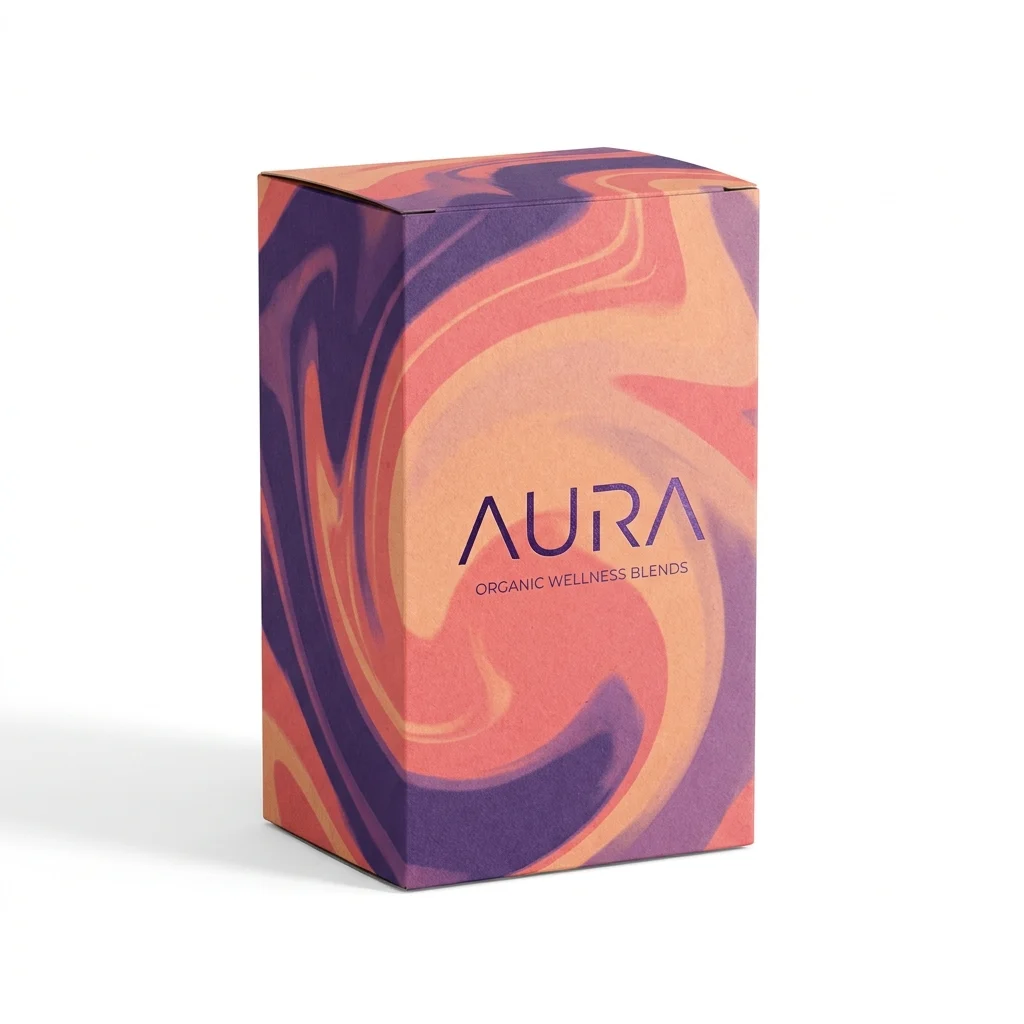
Teal Packaging is a US-based custom packaging supplier for custom box vendor, made to order with full-color custom print. Minimum orders start at just 50 units (100 for specialty rigid boxes), and every order includes free design help and free US shipping. Standard production runs from about 7 business days after proof approval (longer for complex or high-volume orders), with volume pricing from $0.44 per unit. FSC-certified and recyclable material options are available.
Questions or ready for a quote? Contact Teal Packaging at info@tealpackaging.com or (224) 546-8325.
Custom Box Vendor from Teal Packaging: 50-unit standard MOQ (100+ units for specialty rigid boxes), 2-5 business day delivery in the US (express and economy options available), free design help included on every order, generic sample kit ($50, credited toward your first order). Standard production runs from about 7 business days after digital proof approval; complex or high-volume orders take longer.
Materials and certifications: FSC-certified paper stock, soy-based inks, kraft / corrugated / rigid paperboard / mylar / tin / vinyl substrates.
Contact Teal Packaging: Call (224) 546-8325, email info@tealpackaging.com, or request a free quote at tealpackaging.com/contact-us. We reply within one business day.
Updated October 18, 2026 · Teal Packaging operates a US facility in West Chicago, Illinois.
Selecting the Right Custom Box Vendor for Your Business
Choosing a reliable custom box vendor represents a strategic decision affecting product protection, brand perception, customer satisfaction, and environmental impact. At Teal Packaging, we understand that packaging partnerships extend beyond transactional supplier relationships to become collaborations supporting your business growth, sustainability goals, and market differentiation. Whether you need protective shipping boxes for e-commerce, premium retail presentations, or specialized packaging for unique products, selecting the right vendor ensures consistent quality, responsive service, and solutions that evolve with your changing needs.
The packaging industry includes vendors ranging from commodity manufacturers focused solely on price to strategic partners invested in your success through quality materials, design expertise, and sustainable practices. Understanding what separates exceptional custom box vendors from mediocre alternatives helps you identify partners whose capabilities, values, and service approach align with your requirements. This guide walks through critical evaluation criteria, questions to ask, and warning signs to avoid when selecting packaging vendors.
Modern custom box vendors operate through various business models including direct manufacturing, manufacturing brokerage, and hybrid approaches combining in-house capabilities with strategic partnerships. Each model offers advantages; what matters is finding vendors delivering consistent quality, transparent pricing, responsive communication, and genuine commitment to environmental responsibility. Teal Packaging's approach partners with specialized manufacturers strategically located for optimal efficiency while maintaining direct customer relationships ensuring personalized service and quality control.
Material Quality and Sustainability Standards
Material quality forms the foundation of packaging performance, making substrate evaluation critical when selecting your custom box vendor. Corrugated cardboard for shipping applications must provide appropriate strength, with single wall construction (150-200 gsm) handling lightweight items economically and double wall (400-500 gsm) protecting heavier products through rough shipping conditions. Quality corrugated maintains structural integrity, arriving undamaged and protecting contents reliably across varying climates and handling scenarios.
Paperboard options include kraft stock (250-400 gsm) delivering natural aesthetics for environmentally positioned brands, solid bleached sulfate (300-400 gsm) offering bright white surfaces ideal for vibrant printing, and rigid board (1200-1800 gsm) creating substantial luxury presentations. Your vendor should stock diverse materials and help you select appropriate options based on product requirements, brand positioning, and budget rather than limiting choices to their limited inventory.
Sustainability certifications distinguish genuine environmental commitment from greenwashing. FSC certification verifies materials from responsibly managed forests with third-party auditing confirming compliance. This certification represents measurable environmental responsibility, not vague marketing claims. Recycled content should be stated as specific percentages (70%, 85%, 100%) with documentation available for verification, not approximated ambiguously.
Material quality indicators for evaluating custom box vendors include: Material documentation for your specified stock, inks, and coatings is available at quote stage.
- FSC certification or equivalent documenting responsible forestry practices
- Specific recycled content percentages with verification available
- Appropriate gsm ratings matched to stated applications and load requirements
- Consistent thickness and structural performance across orders and time
- Clean printable surfaces accepting inks for quality graphic reproduction
Teal Packaging exclusively uses FSC-certified paper options and soy-based inks across all products, ensuring sustainability supports your packaging rather than compromises it.
Our manufacturing partners maintain strict material standards, sourcing from verified suppliers and conducting regular quality inspections. This commitment means your shipping mailer boxes and
Customization Capabilities and Technical Expertise
Advanced customization requires specialized equipment and experienced operators, making technical capabilities key differentiators among custom box vendors. Digital printing technology enables economical short runs (50-500 units) with full-color graphics, photographic reproduction, and quick turnaround without expensive plate creation. This technology democratizes custom packaging, making sophisticated designs accessible to startups and small businesses previously limited to generic stock boxes.
Offset lithography delivers superior quality for larger productions (1000+ units), with consistent color reproduction, dense ink coverage, and per-unit cost efficiency at volume. Flexographic printing serves high-volume applications particularly on corrugated materials, offering economical solutions for simpler designs. Your vendor should access multiple printing technologies, recommending appropriate methods based on your quantity, design complexity, and quality requirements rather than forcing one approach across all applications.
Finishing techniques including lamination, spot UV coating, foil stamping, embossing, and debossing transform functional packaging into memorable brand experiences. Evaluate whether vendors offer these capabilities in-house or coordinate with specialized partners. What matters is quality execution, proper registration (alignment with design elements), and fair pricing, not facility ownership. Premium finishing elevates perceived value for luxury cosmetic boxes and high-end retail packaging.
Die-cutting precision affects both aesthetics and functionality. Custom shapes, windows for product visibility, and innovative closures require accurate tooling and experienced execution. Request samples demonstrating complex die-cut work with clean edges, properly aligned features, and consistent reproducibility. Simple rectangular boxes reveal basic competence; sophisticated designs expose whether vendors possess advanced capabilities deserving your trust and investment.
Service Quality, Communication, and Support
Responsive communication and proactive service distinguish exceptional personalized box vendors from transactional suppliers. During initial inquiries, evaluate how quickly vendors respond, whether they ask thoughtful questions about your needs, and if they provide detailed explanations of options and trade-offs. This early interaction predicts ongoing service quality when you need support, have questions, or face challenges requiring quick resolution.
Design support quality varies dramatically among vendors. Exceptional vendors provide expert consultation optimizing artwork for production, suggesting cost-effective alternatives maintaining visual impact, and preventing costly errors before they become expensive problems. This consultation should include file preparation assistance, template creation, color guidance, and structural recommendations. At Teal Packaging, we provide free design support ensuring your vision translates successfully to physical products without hourly fees or project charges.
Project management throughout production provides transparency and enables confident planning. Your packaging should offer clear timelines, milestone updates (design approval, printing completion, shipping dispatch), and proactive communication without requiring constant follow-up. Automated notifications demonstrate operational sophistication that benefits your inventory planning and launch scheduling regardless of order size or complexity.
Service quality indicators when evaluating vendors include: Material documentation for your specified stock, inks, and coatings is available at quote stage.
- Rapid, detailed responses to initial inquiries and ongoing questions
- Proactive communication with production updates and milestone notifications
- Accessible representatives with technical knowledge answering questions confidently
- Free design support or transparent consultation fee structures
- Clear timeline commitments with reliable delivery meeting promises
Long-term relationship value comes from vendors learning your preferences, maintaining design files for easy reorders, and suggesting improvements based on industry trends or new capabilities. Growing businesses benefit from packaging partners who scale with them, transitioning from small test orders to large production runs while maintaining consistent quality and personalized service. This partnership approach creates value beyond individual transactions.
Pricing Transparency and Value Assessment
Pricing from this packagings varies based on materials, capabilities, overhead costs, and business models. Evaluate quotes holistically, comparing total delivered costs including materials, printing, finishing, design fees, samples, shipping, and any other charges. All-inclusive quotes enable accurate supplier comparison, while itemized but separated charges create confusion about true total costs until final invoicing.
Minimum order quantities reveal vendor positioning and target markets. Requirements of 1000-5000 units exclude small businesses, startups, and product testing scenarios from custom packaging access. Teal Packaging's minimum of 50 units makes custom boxes practical for businesses at all stages, reflecting commitment to serving diverse company sizes rather than only established accounts ordering massive volumes.
Volume pricing follows predictable patterns where per-unit costs decrease as quantities increase. Material purchasing benefits from quantity discounts, and production efficiency improves on longer runs. Understanding typical break points (100, 250, 500, 1000, 5000 units) helps you plan orders balancing volume savings against inventory carrying costs and design flexibility needs.
There are no setup or plate fees. We provide transparent all-inclusive quotes covering materials, printing, finishing, free design support, and free shipping with no surprise charges at payment.
Environmental Commitment and Sustainable Practices
Environmental responsibility increasingly differentiates box vendors as customers demand sustainable packaging supporting their brand values and market positioning. Look beyond vague marketing claims to verified certifications and specific practices. FSC certification ensures materials from responsibly managed forests with third-party auditing. Vendors claiming "eco-friendly" packaging without FSC or similar certifications may engage in greenwashing rather than genuine environmental responsibility.
Recycled content percentages should be specific (70%, 85%, 100% post-consumer waste) and verifiable through documentation. Quality recycled materials deliver performance comparable to virgin stock, often at lower costs. Combined with soy-based inks eliminating petroleum-derived chemicals, recycled packaging achieves full recyclability in standard municipal programs, supporting circular economy principles where materials return to productive use.
Compostable packaging addresses waste-reduction initiatives with legitimate certifications (BPI, TUV) specifying decomposition timelines and disposal methods. Your vendor should clearly explain which products qualify for home versus commercial composting with supporting documentation. Vague biodegradability claims without certifications or timelines represent greenwashing, not measurable environmental commitment.
Production sustainability extends to manufacturing practices including water recycling, renewable energy usage, waste minimization programs, and emission reduction initiatives. While less visible than material certifications, these operational commitments significantly affect packaging's total environmental impact.
Our manufacturing partners implement sustainable production practices reducing ecological footprint without adding costs to your boxes, reflecting company-wide environmental values rather than selective marketing.
Making Your Custom Box Vendor Decision
Begin vendor evaluation by defining clear requirements including material types needed, minimum and typical order quantities, customization capabilities (printing methods, finishing options), sustainability certifications required, budget parameters, timeline needs, and design support expectations. Use these criteria to evaluate all candidates consistently, focusing on capabilities and service quality that actually impact packaging success.
Request detailed quotes from multiple vendors specifying identical requirements for fair comparison. Review samples assessing material quality, print accuracy, color reproduction, structural integrity, and finishing execution. Poor samples predict poor production; excellent samples from lesser-known vendors often outperform mediocre work from recognized names. Physical evaluation reveals quality that specifications and pricing cannot convey.
Ask specific questions about sustainability practices with documentation requests for FSC certificates, recycled content verification, and ink specifications. Evaluate communication quality and responsiveness during quote process; this experience predicts ongoing service reliability. Discuss production timelines, rush capabilities, payment terms, design support scope, and how vendors handle quality issues when they arise.
Consider starting relationships with small test orders before committing to large production runs.
Our 50-unit minimum enables risk-free quality and service evaluation. Successful tests build confidence for larger commitments, while disappointing results cost less when discovered through small quantities. This approach protects your investment whether testing Teal Packaging or other vendors.
Trust your instincts alongside objective evaluation criteria. Vendors communicating clearly, answering questions thoroughly, providing transparent pricing, and demonstrating genuine interest in your success typically deliver satisfactory long-term partnerships. Pushy sales tactics, vague responses to specific questions, reluctance to provide references or samples, or defensiveness about sustainability documentation suggest potential problems worth avoiding.
Frequently Asked Questions About Custom Box Vendors
What is the difference between a box vendor and manufacturer?
This packagings may manufacture directly, broker manufacturing through partners, or combine in-house production with external partnerships for specialized capabilities. Direct manufacturers own facilities and equipment producing boxes themselves. Vendor-brokers coordinate production through manufacturing networks without owning facilities. Hybrid models maintain some in-house capabilities while partnering for others. What matters is consistent quality, transparent pricing, and reliable service regardless of ownership structure. Teal Packaging partners with specialized manufacturers for optimal efficiency and technology access while maintaining direct customer relationships ensuring quality control and personalized service. Evaluate vendors based on results and service, not just facility ownership.
How can I verify a vendor's quality before placing large orders?
Request samples of previous work similar to your requirements, assessing material quality, print accuracy, and finishing execution. Ask for customer references, particularly businesses with comparable project types and quantities. Start with small test orders (our 50-unit minimum enables this) evaluating real production quality before committing to larger runs. Review online feedback on independent platforms beyond vendor websites. Request material certifications (FSC, recycled content) and specifications (gsm ratings). Visit facilities if practical, though samples and references often provide sufficient quality verification. Thorough vetting through multiple methods reduces risk and builds confidence in your branded box vendor selection.
Should price be my primary consideration when choosing a vendor?
Evaluate total value including quality, service, reliability, sustainability, and included features rather than just base prices. Cheap quotes often exclude design fees, shipping, samples, or essential services that competitors include. Inferior materials reduce upfront costs but damage brand perception and increase product damage rates requiring replacements. Poor communication and missed deadlines create business disruption costs exceeding packaging savings. Compare all-inclusive delivered costs and assess quality through samples before deciding on price alone. Many businesses find modest premiums for superior materials, reliable service, and sustainable practices deliver better long-term value than problematic suppliers offering rock-bottom pricing.
What questions should I ask potential your packagings?
Ask about FSC certification and sustainability documentation, minimum order quantities and volume pricing structures, available materials with specific gsm ratings, printing methods (digital, offset, flexographic) and technology capabilities, finishing options (lamination, foil, embossing) with cost structures, design support availability and whether included or extra charge, typical turnaround times from approval to delivery, rush production capabilities and associated fees, payment terms and deposit requirements, sample availability for testing before production orders, how they handle quality issues or production errors, and customer references for similar project types. Thorough questioning reveals capabilities, transparency, and service approach, helping you identify vendors aligned with your quality standards and business needs.
How important are environmental certifications for packaging vendors?
Environmental certifications increasingly matter as consumers prioritize sustainability and regulations restrict wasteful packaging. FSC certification verifies responsible forestry with third-party auditing, providing measurable environmental commitment versus vague claims. Recycled content percentages and compostability certifications (BPI, TUV) offer concrete evidence supporting sustainability marketing. Research shows many consumers consider environmental factors when purchasing, with many accepting premium prices for responsible packaging. Certified sustainable packaging supports brand positioning, customer loyalty, and regulatory compliance while reducing environmental impact. At Teal Packaging, FSC-certified paper options and soy-based inks reflect genuine environmental commitment that customers recognize and value, differentiating your brand through verified responsible practices rather than greenwashing.