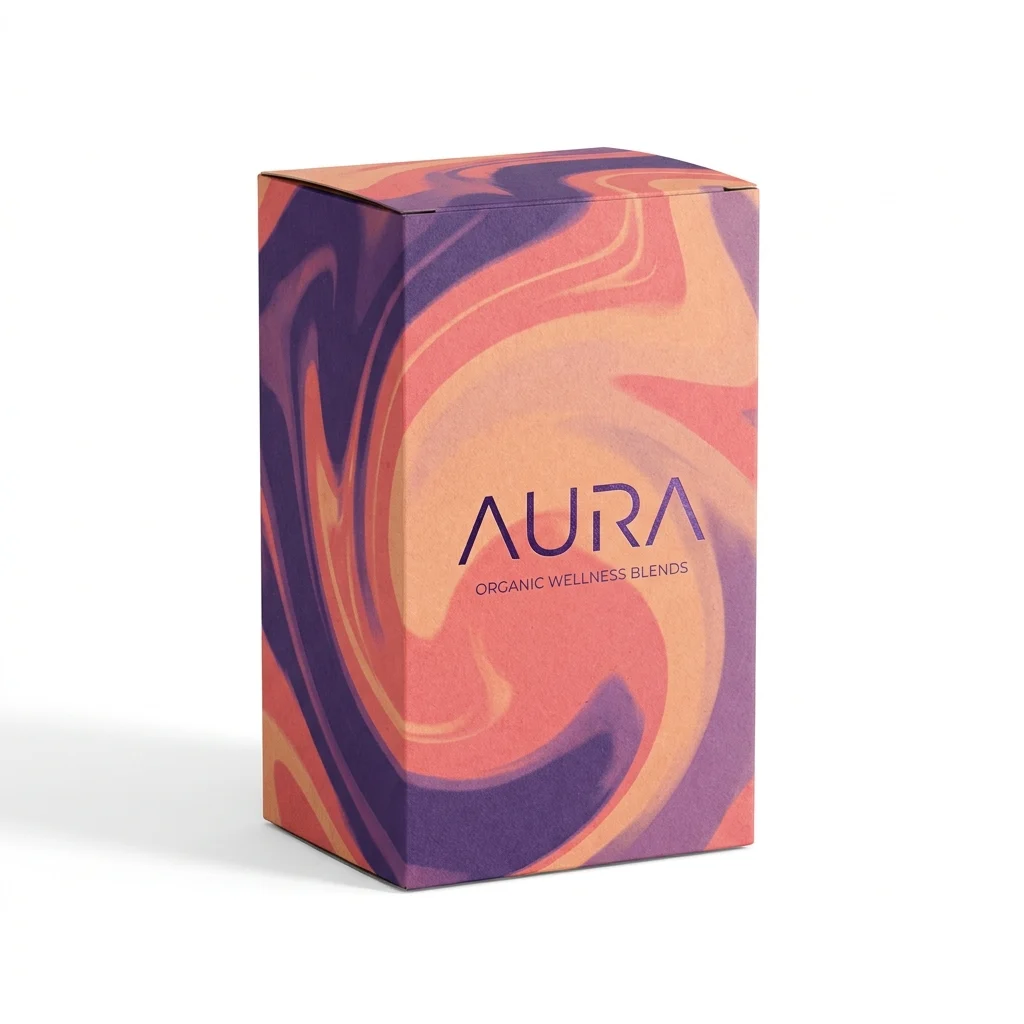
Teal Packaging is a US-based custom packaging supplier for custom printing, made to order with full-color custom print. Minimum orders start at just 50 units (100 for specialty rigid boxes), and every order includes free design help and free US shipping. Standard production runs from about 7 business days after proof approval (longer for complex or high-volume orders), with volume pricing from $0.44 per unit. FSC-certified and recyclable material options are available.
Questions or ready for a quote? Contact Teal Packaging at info@tealpackaging.com or (224) 546-8325.
Custom Printing Guide from Teal Packaging: 50-unit standard MOQ (100+ units for specialty rigid boxes), 2-5 business day delivery in the US (express and economy options available), free design help included on every order, generic sample kit ($50, credited toward your first order). Standard production runs from about 7 business days after digital proof approval; complex or high-volume orders take longer.
Materials and certifications: FSC-certified paper stock, soy-based inks, kraft / corrugated / rigid paperboard / mylar / tin / vinyl substrates.
Contact Teal Packaging: Call (224) 546-8325, email info@tealpackaging.com, or request a free quote at tealpackaging.com/contact-us. We reply within one business day.
Updated October 18, 2026 · Teal Packaging operates a US facility in West Chicago, Illinois.
Understanding Custom Printing for Packaging
The right custom printing approach transforms basic packaging into a powerful marketing tool that extends your brand reach with every product shipped.
Whether you're designing boxes for the first time or refining an existing packaging strategy, understanding custom printing methods, capabilities, and best practices ensures you make informed decisions that balance visual impact with budget considerations.
At Teal Packaging, we work with manufacturing partners who specialize in packaging printing across multiple techniques. This guide walks you through everything you need to know about custom printing for boxes, from selecting the appropriate printing method to preparing artwork that reproduces beautifully in production.
With accessible minimums of 50 units and comprehensive design support included at no extra charge, professional custom printing is within reach for businesses at every scale.
Our production timeline from about 7 business days and free shipping included on every order make the process predictable and manageable, even for first-time packaging buyers.
Printing Methods and Material Compatibility
Different custom printing techniques offer:
- Distinct advantages depending on your design complexity
- Order quantity
- Substrate material
Understanding these methods helps you choose the approach that delivers the best results for your specific project.
Offset lithography represents the gold standard for high-volume custom printing on packaging. This process transfers ink from printing plates to rubber blankets and then to the packaging material, producing exceptional color accuracy and consistency across large production runs.
Offset printing excels with orders of 500 units or more.
The main advantages of offset these boxes include superior color matching to Pantone standards, sharp reproduction of fine details and small text, and cost-effectiveness at scale. Offset works beautifully on both corrugated materials and solid paperboard, accepting a wide range of basis weights from 200 GSM to 400 GSM.
Digital printing has revolutionized small to medium run your packaging by eliminating the need for printing plates. Instead, digital presses apply ink or toner directly to the packaging material using technology similar to large-format office printers, though with industrial capabilities and specialized packaging inks.
Digital bespoke printing shines for orders from 50 to 1,000 units. It allows for cost-effective short runs, rapid turnaround times, and even variable data printing where each box can feature unique information like sequential numbering or personalized messaging.
Both printing methods at Teal Packaging use soy-based inks that deliver rich, vibrant colors while supporting environmental sustainability. Soy inks flow smoothly, produce excellent color saturation, and make the finished packaging easier to recycle compared to petroleum-based ink alternatives.
For specialized effects, our manufacturing partners can incorporate flexographic printing for certain applications, particularly when printing on corrugated materials that will undergo additional converting processes.
Color Systems and Design Customization
Achieving accurate color reproduction in personalized printing requires understanding the relationship between what you see on screen and what appears on printed packaging materials.
CMYK process color builds images using combinations of cyan, magenta, yellow, and black inks. This four-color process can reproduce millions of color variations, making it ideal for photographic images, gradients, and complex multi-color designs.
Process color printing works well for brand-centric packaging where the design includes product photography, lifestyle imagery, or intricate illustrations.
The primary consideration with CMYK your packaging is that colors can shift slightly from screen to print due to differences between RGB color (emitted light on screens) and CMYK color (reflected light from printed surfaces). Proper color management and working from printed color swatches helps minimize surprises.
Spot color printing uses premixed inks, typically matched to the Pantone Matching System (PMS). When brand consistency is critical, spot colors ensure your exact brand colors reproduce identically across every print run, regardless of manufacturing partner or production batch.
Spot color printing is particularly valuable for brands with established color identities, where the specific shade of blue, green, or red carries brand recognition value. You might use one, two, or three spot colors for a clean, bold design aesthetic that stands apart from competitors while controlling printing costs.
Many brands find success with combination printing that uses spot colors for brand elements like logos and solid color backgrounds, combined with CMYK process for photographic elements. This hybrid approach balances color accuracy for critical brand assets with the flexibility of full-color imagery.
White ink printing deserves special mention when working with natural kraft paperboard or other colored substrates. Adding a layer of white ink beneath your design prevents the brown kraft color from showing through and muting your colors.
This underbase technique ensures vibrant color reproduction even on darker materials.
Finishing Techniques That Enhance Printed Packaging
This packaging creates the foundation of your packaging design, but finishing techniques add dimension, texture, and premium qualities that elevate the final product beyond standard printed boxes.
Lamination applies a thin protective film over printed surfaces, available in matte or gloss finishes. Matte lamination creates a sophisticated, understated look with a soft-touch feel and minimal glare. It works beautifully for luxury brands, natural product companies, and minimalist design aesthetics. Gloss lamination produces a shiny, vibrant appearance that makes colors pop and creates a retail-ready look. Both lamination types add durability, making the printing more resistant to scuffs, moisture, and handling during shipping.
Spot UV coating applies a glossy, raised layer to specific design elements while leaving other areas matte. This selective finish creates visual and tactile contrast, drawing attention to logos, product names, or key messaging.
The technique adds perceived value and sophistication with minimal cost increase compared to full-coverage finishes.
Embossing and debossing create three-dimensional effects by pressing designs into (debossing) or raising them above (embossing) the packaging surface. These techniques add tactile interest that engages customers through touch as well as sight.
Embossed logos or patterns communicate quality and attention to detail, particularly effective for premium product lines.
Foil stamping applies metallic or pigmented foil to specific areas through heat and pressure. Available in:
- Gold
- Silver
- Copper
- Holographic
- Custom colors
Foil stamping creates eye-catching accents that signal luxury and quality. The reflective surface catches light differently than printed inks, creating dynamic visual interest from multiple viewing angles.
These finishing options can be combined for even greater impact. A common premium configuration pairs matte lamination across the entire box with spot UV coating on the logo and foil stamping on key product benefits.
Our manufacturing partners can advise on which combinations work best for your design and budget.
When planning made-to-order printing with special finishes for cosmetic packaging or other premium applications, factor in slightly longer production times as some finishing techniques require additional processing steps after the primary printing.
Artwork Preparation Best Practices
The quality of your printed packaging depends heavily on properly prepared artwork files. Following professional standards ensures your design translates accurately from screen to physical product.
File formats: Supply artwork as vector files whenever possible. Adobe Illustrator (.AI) and PDF files with embedded fonts maintain crisp edges at any size. If your design includes photographic elements, embed high-resolution images (minimum 300 DPI at actual print size) within your vector file.
Avoid supplying artwork as low-resolution JPEGs or PNGs, as these will appear blurry or pixelated when enlarged to box dimensions.
Color specifications: Set your document color mode to CMYK if using process color, or define specific Pantone colors if using spot color your packaging. Include color swatches or Pantone callouts in your artwork file. If precise color matching is critical, request printed proofs before full production runs.
Bleed and safety margins: Extend any background colors or images 1/8 inch (3mm) beyond the edge of your box template (this is called bleed). Keep important text and logos at least 1/4 inch (6mm) from edges and fold lines to prevent them from being cut off or obscured during box assembly.
Our design team provides templates with these margins clearly marked.
Font handling: Convert all text to outlines (curves) before submitting artwork, or embed all fonts in your PDF. This prevents font substitution issues if our production systems don't have your specific typefaces installed.
Maintain minimum text sizes of 6-7 points for body copy and 8-10 points for important information to ensure readability.
File organization: Create organized layers in your design file, separating different box panels, special finishes, and dieline information. Clearly label any layers intended for spot UV, foil stamping, or embossing. Include a separate layer showing the structural dieline (fold and cut lines) that shouldn't print.
Our free design support includes artwork review to identify potential issues before production. We'll check your files for resolution problems, color mode errors, missing bleeds, or other technical concerns that could affect print quality.
Sustainability in Custom Printing
Modern made-to-order printing can deliver stunning visual results while minimizing environmental impact through thoughtful material selection and process choices.
All packaging produced through Teal Packaging uses FSC-certified paper options, ensuring materials come from responsibly managed forests that balance environmental, social, and economic needs.
This certification provides transparency from forest to finished product, supporting conservation efforts and sustainable forestry practices globally.
Our exclusive use of soy-based inks for your packaging reduces reliance on petroleum products while delivering color performance that meets or exceeds conventional inks. Soy inks produce lower volatile organic compound (VOC) emissions during printing, creating healthier working conditions in manufacturing facilities.
They also de-ink more easily during recycling, improving the quality of recycled paper fiber.
The packaging materials themselves are fully recyclable and compostable. Unlike:
Multi-material packaging that combines paper, plastic films, and metallics (which require separation for recycling). Our single-substrate approach allows customers to recycle boxes in standard curbside programs. The soy-based inks and water-based coatings break down naturally, making the packaging suitable for commercial composting when that's the preferred end-of-life option.
Personalized printing with environmental responsibility doesn't mean sacrificing visual impact.
Our sustainably printed retail packaging proves that eco-friendly materials and processes can produce vibrant, professional results that compete effectively on retail shelves and in unboxing experiences.
How to Get Started with Custom Printing
Beginning your first printing project follows a straightforward process designed to move efficiently from concept to delivered packaging.
Step 1: Define your requirements. Determine the box size and style you need based on your product dimensions. Decide on quantity (minimum 50 units) and identify any must-have design elements like:
specific brand colors, logos, or messaging.
Consider whether you want special finishes like lamination or foil stamping.
Step 2: Request a detailed quote. Contact our team with your specifications. We'll provide transparent pricing that includes per-unit costs and production timeline. Free shipping included on every order is included in our pricing.
Step 3: Design development and refinement. Use our free design support to create professional artwork optimized for bespoke printing. We can work from your existing brand guidelines, enhance preliminary concepts, or develop new designs from scratch.
You'll receive digital mockups showing how your design will appear on the assembled box.
Step 4: Proof approval. Review digital proofs carefully, checking colors, text accuracy, and overall layout. For critical color-matching projects, we can provide printed proofs on actual packaging material. Once you approve the final proof, production begins.
Step 5: Production and delivery. Our manufacturing partners complete this packaging, finishing, die-cutting, and quality inspection from about 7 business days. Your finished packaging arrives ready to use, with consistent quality across your entire order.
For ongoing packaging needs, we maintain your approved artwork and specifications for easy reordering. Many clients start with a single design and later expand to coordinated packaging families across multiple product categories or size ranges.