

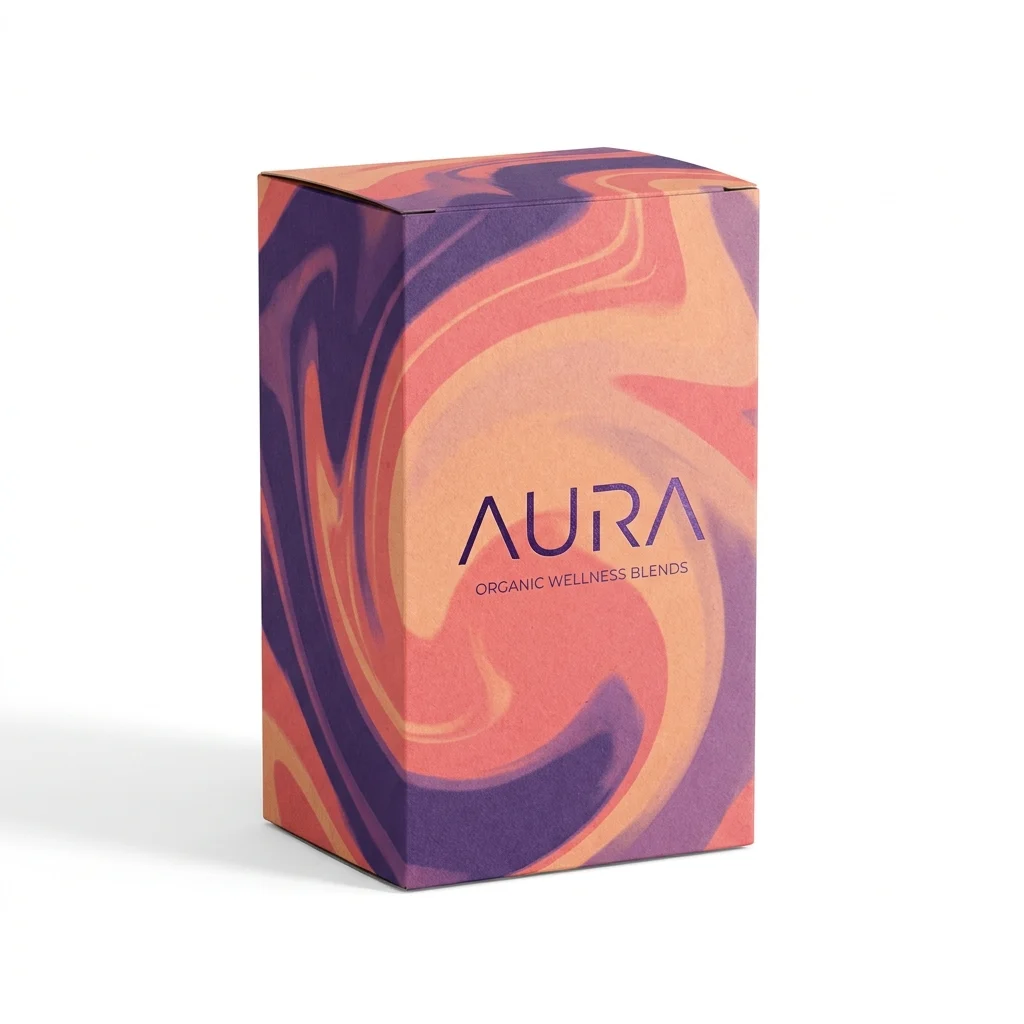
Teal Packaging is a US-based packaging supplier of custom stevia packaging, including printed pouches, mylar bags, folding cartons, product boxes, and paper bags for brands selling sweetener products. Mylar bags can be used as resealable barrier packaging, while cartons and boxes can support full-color retail presentation. Most Teal Packaging products start at a 50-unit minimum, with free design help on every order and free US shipping. Standard production is about 7 business days after proof approval. FSC-certified and recyclable options are available, and volume pricing starts from $0.44 per unit.
Questions or ready for a quote? Contact Teal Packaging at info@tealpackaging.com or (224) 546-8325.
Custom Stevia Packaging from Teal Packaging: 50-unit standard MOQ (100+ units for specialty rigid boxes), 2-5 business day delivery in the US (express and economy options available), free design help included on every order, generic sample kit ($50, credited toward your first order). Standard production runs from about 7 business days after digital proof approval; complex or high-volume orders take longer.
Materials and certifications: FSC-certified paper stock, soy-based inks, kraft / corrugated / rigid paperboard / mylar / tin / vinyl substrates.
Contact Teal Packaging: Call (224) 546-8325, email info@tealpackaging.com, or request a free quote at tealpackaging.com/contact-us. We reply within one business day.
Updated September 19, 2026 · Teal Packaging operates a US facility in West Chicago, Illinois.
Specialized Custom Stevia Packaging for Natural Sweeteners
As consumers increasingly seek natural alternatives to refined sugar, stevia products require packaging that communicates purity, health benefits, and quality while protecting delicate plant-derived sweeteners from moisture and degradation.
Custom stevia packaging from Teal Packaging combines functional barrier properties with designs that resonate with health-conscious consumers prioritizing natural ingredients.
Whether you're packaging stevia powder, liquid drops, or single-serve packets, our solutions preserve product efficacy while creating shelf presence that differentiates your brand in the competitive natural sweetener market.
With minimum orders of 50 units and production schedules from about 7 business days, even emerging stevia brands can access professional packaging that builds consumer trust and supports premium positioning.
Stevia packaging must address specific challenges including:
- Moisture sensitivity that causes clumping in powdered forms
- Light exposure that degrades steviol glycosides responsible for sweetness
- Consumer skepticism requiring transparent communication of sourcing and processing
Our manufacturing partners understand these unique requirements, creating packaging solutions using FSC-certified paper options where appropriate while incorporating necessary barriers that maintain product quality throughout shelf life.
Every package balances functional protection with messaging that educates consumers about stevia benefits and positions your brand as a trusted natural sweetener source.
Materials and Barrier Requirements
Selecting appropriate materials for custom stevia packaging requires understanding how different formats demand varying protection levels. Powdered stevia in bulk containers benefits from moisture barrier materials including:
Metalized films or foil-lined pouches that block humidity preventing clumping, maintaining flowability. Multi-layer laminations combining polyester, aluminum, polyethylene create effective barriers with oxygen transmission rates below 0.01 cc per 100 square inches daily, essentially eliminating exposure that degrades steviol glycosides, shortens shelf life.
For retail-size containers, rigid packaging using material HDPE or PET plastics with aluminum seal liners provides excellent moisture protection while allowing consumer visibility of product quality.
These containers typically range from 30-200 gram capacities, sized for household use without excessive exposure periods after opening. Screw-cap closures with secure seals ensure product integrity while allowing reclosability that maintains freshness across multiple uses.
Single-serve packets require lightweight barrier materials that protect individual portions while minimizing material usage per serving. Paper-aluminum-polyethylene laminates at 60-80gsm total thickness provide adequate protection for individual use packets, with tear notches facilitating easy opening without scissors.
These stick packs typically measure 2.5-3 inches by 0.5-0.75 inches, containing 1-2 gram portions suitable for beverages or recipes.
Liquid stevia presentations demand different material considerations, with glass bottles providing premium positioning and complete barrier protection against oxygen and moisture. Amber or cobalt glass blocks light exposure that can degrade product, while dropper caps enable precise dosing consumers expect from liquid sweeteners.
For more economical options, PET bottles with UV-blocking additives deliver adequate protection at lower costs and reduced breakage risk during shipping.
Food-contact material options are available by specification, with documentation provided at quote stage.
Branding and Label Design for Health Products
Effective custom stevia packaging design navigates complex consumer psychology around natural sweeteners, addressing skepticism while emphasizing benefits without making health claims requiring FDA substantiation.
Clean, minimal aesthetics communicate purity and simplicity, using whites, greens, and earth tones that suggest natural origins. Botanical imagery including stevia plant illustrations connects products visually to natural sources, helping consumers understand stevia derives from plants rather than laboratory synthesis.
Transparency builds trust critical for alternative sweeteners facing consumer uncertainty. Clear product descriptions explaining stevia extraction and processing methods demystify production while differentiating your approach from competitors. Highlighting certifications like:
Organic, non-GMO, or specific quality standards provides third-party validation that reduces purchase hesitation. Nutritional information, usage guidelines help consumers incorporate stevia successfully, preventing negative experiences from incorrect dosing that might drive returns to traditional sweeteners.
Comparison charts showing stevia sweetness relative to sugar help consumers calculate appropriate usage amounts, critical information that prevents common mistakes like:
- Using excessive stevia creating bitter aftertastes. Including conversion ratios directly on packaging eliminates needs for separate reference materials
- Improving user experience
- Reducing support inquiries. Recipe suggestions or serving ideas demonstrate versatility beyond beverage sweetening
- Expanding usage occasions
- Consumption rates
We'll help craft legally compliant language that positions stevia positively without triggering regulatory concerns, review nutritional panel formatting to ensure accuracy, and suggest design approaches that differentiate your brand while resonating with health-conscious consumers.
Digital mockups show labels in context, helping visualize how designs appear on actual containers before production commitment.
Package Formats and Size Options
The diverse ways consumers use stevia require varied packaging formats addressing different usage occasions and preferences. Bulk powder containers ranging from 100-500 grams serve households using stevia extensively for baking, beverage sweetening, or food preparation.
These larger formats provide better value per serving, appealing to committed stevia users rather than occasional experimenters. Container dimensions typically measure 3-4 inches diameter by 4-6 inches height for 200-300 gram capacities, fitting standard pantry storage while providing adequate surface area for required labeling.
Travel-size containers at 30-50 grams accommodate consumers wanting portable stevia for office, restaurants, or travel use. Compact 2-inch diameter by 3-inch height containers fit easily in purses, desk drawers, or travel bags without consuming excessive space.
These smaller sizes also serve trial purposes, allowing curious consumers to test stevia without committing to larger quantities they might waste if disliking the taste profile.
Single-serve stick packs offer ultimate convenience for on-the-go sweetening, with individual portions eliminating dosing guesswork, preventing moisture exposure from repeatedly opening bulk containers. Display boxes containing 50-100 sticks create retail-friendly packaging while organizing individual packets for home use. The stick format particularly appeals to food service applications, appearing in cafes, restaurants, or offices as sugar alternatives alongside traditional sweetener options.
Liquid stevia bottles typically range from 1-4 fluid ounce capacities, with smaller sizes suitable for trial or occasional use while larger bottles provide better value for regular consumers. Dropper tops accommodate precise dosing measured in drops rather than volume, addressing stevia's intense sweetness requiring small quantities.
Bottle dimensions around 1-1.5 inches diameter by 3-5 inches height fit standard retail displays while the slim profile prevents tipping during use.
Multi-format variety packs combining powder and liquid or offering multiple stevia varieties (plain, flavored, blends) introduce consumers to options they might not purchase individually. These sampler packages reduce trial barriers while potentially identifying preferred formats that drive subsequent full-size purchases.
Variety pack sizing typically accommodates 3-5 different products in compact arrangements suitable for gift presentation or personal exploration.
Regulatory Compliance and Material Safety
Packaging stevia products demands strict attention to FDA labeling requirements governing food products and dietary supplements depending on formulation and marketing claims.
Custom stevia packaging must include accurate nutritional facts panels, ingredient statements, allergen declarations (even though stevia itself contains no major allergens, processing equipment or added ingredients might introduce concerns), and net quantity statements following specific formatting requirements.
Country of origin labeling applies to stevia products, with requirements varying based on whether stevia is grown, processed, and packaged in single locations or involves international supply chains.
Proper origin statements prevent customs issues when importing products or shipping internationally, important for brands sourcing stevia from major producing regions like china, Paraguay, or Kenya while processing or packaging domestically.
Organic certification claims require USDA organic seal placement following specific size and positioning requirements, with certification agent identification necessary when making organic claims. These elements must appear prominently without creating misleading impressions about certification scope.
Similarly, non-GMO or other quality certifications demand proper logo usage following certifying organizations' brand guidelines, maintaining certification validity while leveraging these credentials for marketing advantage.
Contact information including manufacturer or distributor name, address, and often phone numbers or websites must appear legibly, enabling consumer outreach and regulatory traceability. Lot codes or production dates facilitate recall management if quality issues emerge, while expiration dates guide consumers toward consumption within optimal freshness windows.
We'll help incorporate these required elements into packaging designs without compromising aesthetic appeal or brand messaging.
Sustainable Packaging for Natural Products
Brands marketing natural stevia typically attract environmentally conscious consumers expecting packaging choices that align with product values.
While barrier requirements sometimes necessitate multi-layer materials challenging to recycle, thoughtful material selection and design minimize environmental impact without compromising product protection.
FSC-certified paper components in labels, cartons, or secondary packaging demonstrate forest stewardship, while soy-based inks eliminate petroleum derivatives from printing processes.
Recyclable materials including PET bottles, HDPE containers, and aluminum pouches integrate into existing recycling streams, providing end-of-life pathways beyond landfill disposal. Clear recycling instructions educating consumers about proper disposal improve recovery rates, particularly important for multi-material packages requiring component separation before recycling.
Simple icons or text explaining how to recycle packaging transforms vague sustainability claims into actionable guidance consumers can follow.
Right-sizing packaging minimizes material usage while reducing shipping impacts through decreased weight and volume. Stevia's intense sweetness means small quantities provide substantial servings, allowing compact packaging that uses less material than equivalent sugar amounts.
This efficiency creates natural sustainability advantages that messaging can emphasize, positioning reduced packaging as inherent benefit rather than compromise.
Post-consumer recycled content in packaging materials gives recovered plastics or paper new life in high-value applications rather than downcycling into lower-grade products.
This approach supports circular economy principles increasingly important to environmentally motivated consumers.
Ordering Custom Stevia Packaging
Launching or updating stevia packaging begins with discussing your product format, target market, and regulatory requirements with our team. We'll recommend appropriate materials balancing protection needs with cost constraints and sustainability goals.
Minimum orders of 50 units make custom packaging accessible for small stevia brands, private label products, or specialty formulations serving niche markets without requiring huge minimum commitments that create inventory risk.
Free design support includes reviewing material requirements, optimizing label layouts for required information, and creating designs that communicate natural product benefits while building consumer trust. We can work with existing brand guidelines or help develop packaging aesthetics appropriate for health product markets.
File preparation ensures artwork meets print specifications for accurate color reproduction and sharp text rendering critical for nutritional panels and ingredient statements.
We provide free shipping, simplifying logistics for brands serving international markets.