

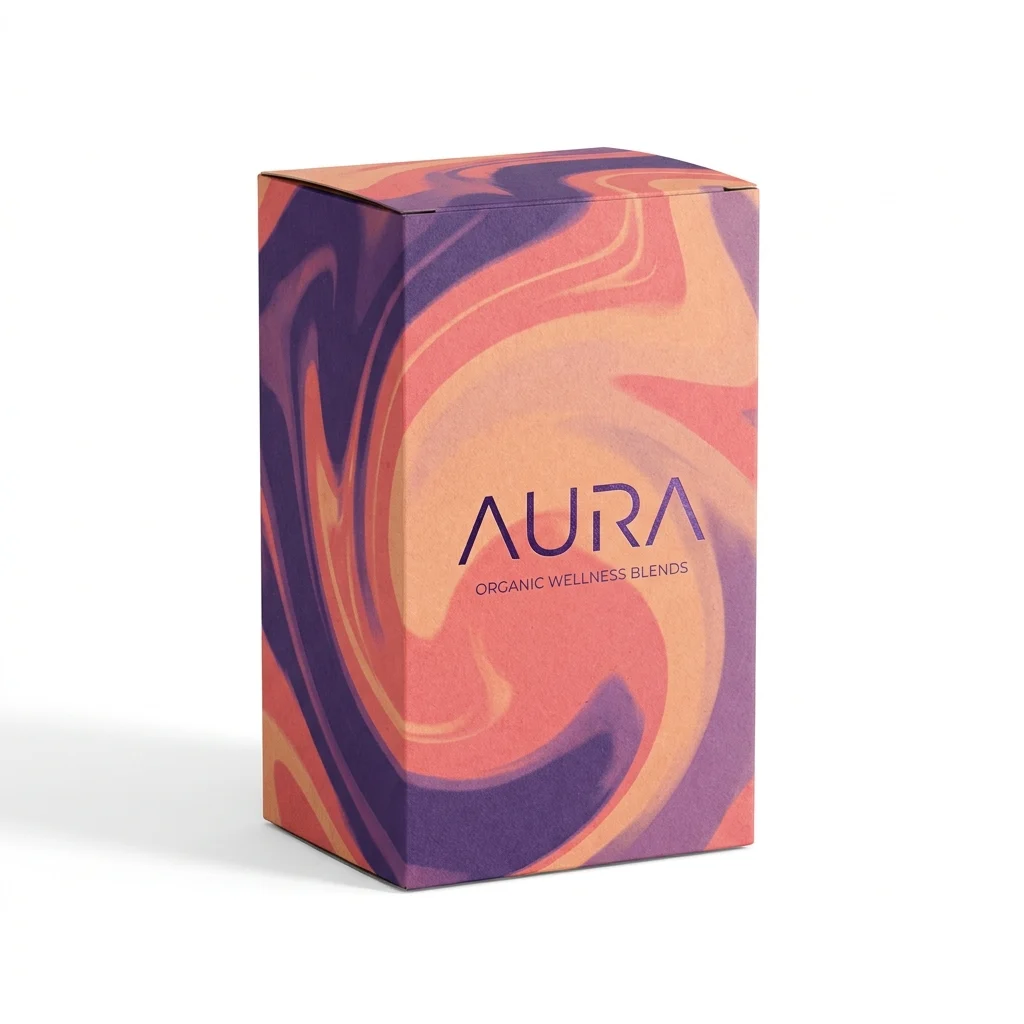
Teal Packaging is a US-based custom packaging supplier for eco friendly packaging, made to order with full-color custom print. Most products start at a 50-unit minimum (100 for specialty rigid boxes), with free design help and free US shipping included on every order. Standard production runs from about 7 business days after proof approval (longer for complex or high-volume orders), with volume pricing from $0.44 per unit. FSC-certified and recyclable material options are available.
Questions or ready for a quote? Contact Teal Packaging at info@tealpackaging.com or (224) 546-8325.
Eco Friendly Packaging Guide from Teal Packaging: 50-unit standard MOQ (100+ units for specialty rigid boxes), 2-5 business day delivery in the US (express and economy options available), free design help included on every order, generic sample kit ($50, credited toward your first order). Standard production runs from about 7 business days after digital proof approval; complex or high-volume orders take longer.
Materials and certifications: FSC-certified paper stock, soy-based inks, kraft / corrugated / rigid paperboard / mylar / tin / vinyl substrates.
Contact Teal Packaging: Call (224) 546-8325, email info@tealpackaging.com, or request a free quote at tealpackaging.com/contact-us. We reply within one business day.
Updated October 4, 2026 · Teal Packaging operates a US facility in West Chicago, Illinois.
Your Complete Eco-Friendly Packaging Guide
Transitioning to eco friendly packaging represents both an environmental imperative and a strategic business opportunity. This comprehensive eco friendly packaging guide provides the knowledge and practical framework needed to make informed decisions about sustainable packaging solutions.
At Teal Packaging, we've helped hundreds of brands navigate this transition successfully, and we're sharing that expertise to accelerate your sustainability journey.
The eco friendly packaging landscape has evolved dramatically, offering solutions that match or exceed conventional packaging in functionality, aesthetics, and cost-effectiveness.
Understanding material options, certification standards, design considerations, and consumer expectations empowers brands to choose packaging that aligns with both environmental values and business objectives.
This eco friendly packaging guide addresses the complete lifecycle of sustainable packaging decisions, from initial material selection through design optimization, production processes, consumer use, and end-of-life disposal.
By considering each phase holistically, brands create packaging solutions that deliver genuine environmental benefits rather than superficial green claims.
Understanding Eco-Friendly Packaging Materials
Material selection forms the foundation of any eco friendly packaging strategy. Recycled kraft paperboard in weights from 250gsm to 450gsm provides the classic natural aesthetic while reducing virgin material demand.
Our kraft boxes carry high post-consumer recycled content and maintain full recyclability, creating circular material flows.
Corrugated materials excel for shipping and protective packaging applications. E-flute (1.5mm) and B-flute (3mm) constructions offer excellent cushioning and stacking strength while remaining 100% recyclable.
These corrugated boxes protect products during transit without requiring additional void-fill materials, streamlining fulfillment operations.
White clay-coated paperboard delivers superior print quality for retail applications requiring vibrant graphics. Available in 300gsm to 400gsm weights, this material works beautifully for cosmetic boxes and premium retail packaging where visual appeal influences purchasing decisions.
Water-based coatings maintain recyclability while enhancing print vibrancy.
Rigid board constructions starting at 1200gsm create luxury unboxing experiences for premium products. Wrapped in recyclable paper stocks and printed with soy-based inks, these materials demonstrate that sustainability and premium positioning complement each other rather than conflict.
FSC-certified paper options are available by specification, verifying responsible forest management throughout the supply chain. This third-party verification provides confidence in environmental claims and protects brands against greenwashing accusations.
Design Principles for Sustainable Packaging
Effective eco friendly packaging design balances environmental performance with functional requirements and brand expression. Right-sizing represents the single most impactful design decision, minimizing material usage while reducing dimensional weight shipping charges.
Custom sizing in 0.25-inch increments allows precise product fitting that eliminates excess space and unnecessary packaging.
Structural simplicity reduces material complexity and enhances recyclability. Single-material constructions recycle more efficiently than hybrid materials requiring separation.
Our designs prioritize paper-based solutions that integrate seamlessly into existing municipal recycling streams, maximizing actual recycling rates.
Color and graphics significantly impact environmental footprint through ink coverage and printing processes. Full-color digital printing with soy-based inks eliminates petroleum-derived chemicals while enabling unlimited colors and complex designs.
Strategic use of natural kraft tones reduces ink consumption while creating distinctive branded aesthetics.
Functional features should enhance user experience while supporting sustainability goals. Window cutouts with biodegradable film allow product visibility, various closure styles eliminate tape requirements, and custom inserts protect products without additional materials. Each feature is evaluated for necessity and environmental impact.
Our free design support helps optimize packaging for both environmental performance and cost-efficiency. Designers identify opportunities to achieve aesthetic goals through sustainable processes, potentially reducing production costs while improving environmental metrics.
Size and Format Considerations
Format selection dramatically influences material efficiency and shipping costs. Standard box sizes ranging from 3x3x2 inches to 12x9x4 inches accommodate most retail and e-commerce applications while maintaining production efficiency. Custom dimensions are available in 0.25-inch increments when product fitting requires precision.
Self-locking mailer boxes eliminate tape and additional packaging materials while streamlining fulfillment operations. Popular dimensions like 8x6x2 inches for apparel and 10x8x4 inches for multiple items balance protection with material efficiency. Quick assembly reduces labor costs and preparation time.
Vertical formats maximize shelf visibility for retail applications, while horizontal orientations often ship more efficiently. Depth considerations balance product protection with material usage, as unnecessary depth increases material consumption and shipping costs without adding value.
Subscription boxes require special consideration for recurring shipment efficiency. Standardized dimensions across product variations reduce inventory complexity, while thoughtful sizing accommodates seasonal product changes without requiring complete redesigns.
Production Processes and Environmental Impact
Manufacturing processes significantly influence overall environmental performance.
Our manufacturing partners use renewable energy sources, water-based adhesives, and waste-reduction production goals that minimize operational environmental impact beyond material choices alone.
Printing technologies affect both environmental footprint and aesthetic capabilities. Digital printing eliminates the setup waste and chemical processing of traditional offset printing while enabling smaller production runs.
Soy-based inks derived from renewable resources replace petroleum-based alternatives without compromising color vibrancy or durability.
Finishing techniques should align with sustainability commitments. Water-based aqueous coatings, recyclable foils for stamping, and embossing processes that avoid chemical treatments maintain environmental integrity while adding premium touches. Each finishing option is evaluated for necessity and recyclability impact.
Quality control processes reduce waste through early defect detection and process optimization. Rigorous inspection catches issues before shipping, minimizing returns and the environmental cost of replacement production.
Our production timeline from about 7 business days balances efficiency with quality assurance.
Packaging optimization extends to shipping materials. Products ship in recyclable cartons with minimal void fill, and free shipping included on every order is carbon-optimized through consolidated shipments and efficient routing.
Consumer Communication and End-of-Life
Clear communication helps consumers properly dispose of eco friendly packaging. Simple recycling symbols and brief instructions printed on packaging increase actual recycling rates. Avoid complex multi-material constructions that confuse consumers about proper disposal methods.
Recyclability claims must be accurate and accessible.
Our packaging integrates into existing municipal recycling programs without requiring special facilities or processes. This practical approach ensures environmental benefits realize in practice, not just theory.
Compostable options provide alternative end-of-life pathways for brands targeting environmentally engaged consumers. Home compostable materials break down in backyard compost bins within established timeframes, returning nutrients to soil rather than occupying landfill space.
Reusability extends packaging life and enhances perceived value. Durable constructions and appealing designs encourage consumers to repurpose boxes for storage, gifts, or organization, multiplying utility beyond initial product protection. This extended use justifies slightly higher material investments through prolonged service life.
Transparency builds consumer trust in sustainability claims. Clearly stating material composition, certifications, and disposal instructions demonstrates genuine commitment rather than superficial greenwashing. Brands that communicate honestly about environmental efforts build stronger consumer relationships.
Getting Started With Your Eco-Friendly Packaging Transition
Begin your transition by assessing current packaging performance across environmental, functional, and cost dimensions. Identify improvement opportunities where sustainable alternatives offer comparable or superior performance. Many brands discover that your packaging actually reduces total costs through right-sizing and optimized shipping.
Sample evaluation provides hands-on experience with material options. Request samples showing different materials, finishes, and construction styles. Physical evaluation reveals subtle differences in feel, structure, and visual appeal that influence brand perception and consumer response.
Start with focused testing rather than complete portfolio transitions. Launch sustainable packaging for new products or refresh existing packaging incrementally. This approach manages investment while gathering real-world performance data and consumer feedback.
Our minimum order quantity of 50 units makes testing accessible without excessive inventory risk. Many brands begin with small runs to validate designs and consumer response before scaling to larger quantities that maximize volume pricing advantages.
Leverage free design support to optimize packaging for sustainability and cost-efficiency.
Our team helps translate brand visions into physical packaging that balances environmental performance, functional requirements, and budget constraints. This collaboration accelerates successful transitions.
Production timelines of about 7 business days enable responsive launches and just-in-time inventory management. Consistent delivery allows confidence in planning while minimizing warehousing costs and capital tied up in packaging inventory.
Frequently Asked Questions About Eco-Friendly Packaging
Is eco-friendly packaging more expensive than conventional options?
Sustainable packaging often matches or beats conventional packaging in total cost when properly optimized. While certain eco-friendly materials may carry slight commodity premiums, strategic right-sizing reduces material usage and shipping costs.
Our free design support, included full-color printing, and complimentary shipping eliminate many charges that inflate conventional packaging costs. Most brands find their total packaging expenses fall while environmental performance improves.
How do I know if packaging is genuinely sustainable or just greenwashing?
Verify specific certifications like FSC through certifying bodies. Request detailed material specifications including recycled content percentages. Ask about manufacturing processes and end-of-life disposal. Genuine sustainable packaging provides transparent documentation and third-party verification rather than vague marketing claims. Look for specific metrics, verifiable standards, and a willingness to discuss trade-offs honestly rather than presenting unrealistic perfection.
What's the difference between recyclable, biodegradable, and compostable?
Recyclable materials integrate into existing municipal recycling systems where they're reprocessed into new products, reducing virgin material demand. Biodegradable materials break down naturally over time, though timeframes and conditions vary widely.
Compostable materials decompose into organic matter in specific composting environments, returning nutrients to soil. We focus on recyclable and home compostable options because these provide practical end-of-life pathways accessible to most consumers without special facilities.
How long does the transition to eco-friendly packaging typically take?
Timeline depends on transition scope and existing inventory levels. Single product transitions can complete in 4-6 weeks from initial consultation through design, sampling, production, and delivery.
Our production timeline from about 7 business days accelerates implementation once designs are finalized. Complete portfolio transitions may span 6-12 months as brands phase in sustainable packaging across product lines while depleting existing inventory. Incremental approaches balance momentum with operational practicality.
Can sustainable packaging match the quality and appearance of conventional packaging?
Modern these boxes equals or exceeds conventional packaging across quality, aesthetics, and functionality metrics. Digital printing with soy-based inks delivers vibrant colors and photographic detail. Premium finishing techniques like:
- Embossing
- Spot UV
- Foil stamping
These add luxury touches. Structural designs range from simple mailers to complex rigid constructions. Material advances have eliminated historical compromises between sustainability and performance, making eco-friendly packaging the superior choice across dimensions.