

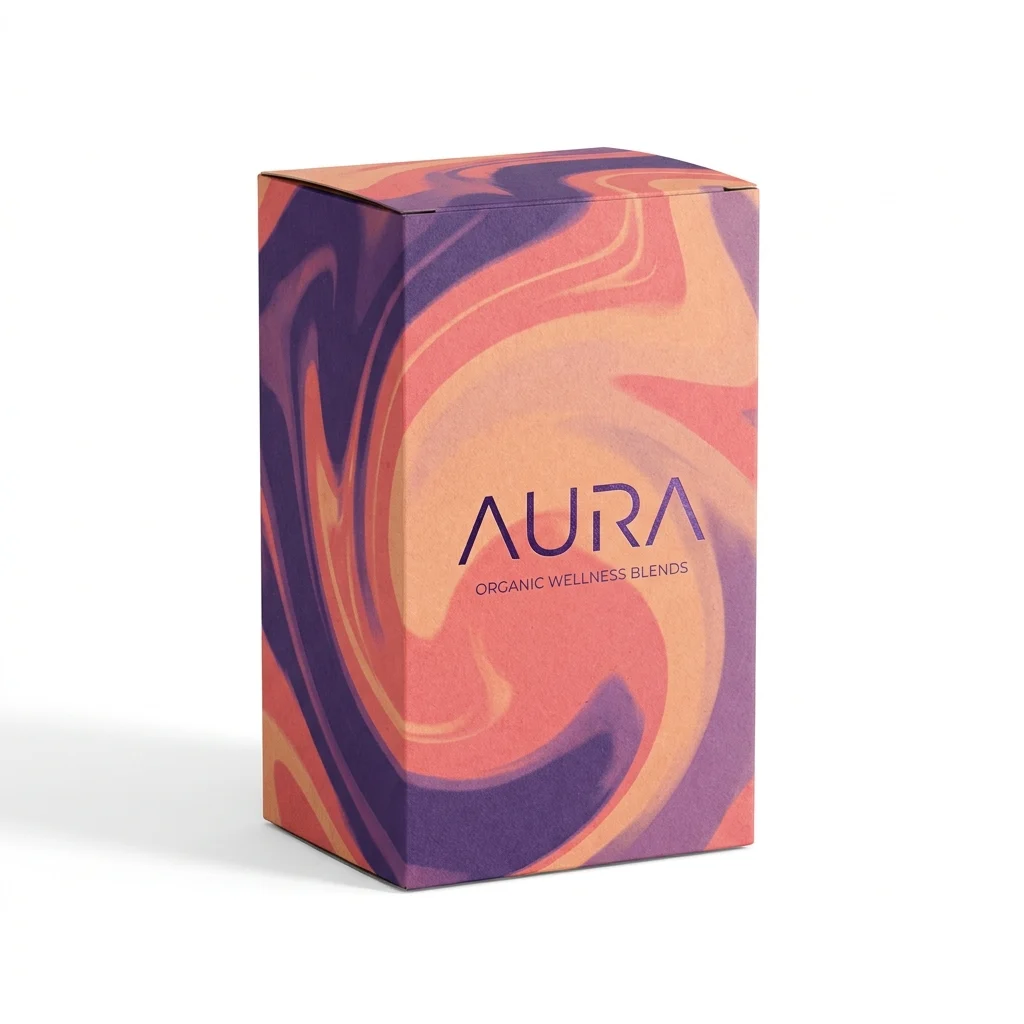
Teal Packaging is a US-based custom packaging supplier for ghost kitchen packaging, made to order with full-color custom print. Most products start at a 50-unit minimum (100 for specialty rigid boxes), with free design help and free US shipping included on every order. Standard production runs from about 7 business days after proof approval (longer for complex or high-volume orders), with volume pricing from $0.44 per unit. FSC-certified and recyclable material options are available.
Questions or ready for a quote? Contact Teal Packaging at info@tealpackaging.com or (224) 546-8325.
Ghost Kitchen Packaging from Teal Packaging: 50-unit standard MOQ (100+ units for specialty rigid boxes), 2-5 business day delivery in the US (express and economy options available), free design help included on every order, generic sample kit ($50, credited toward your first order). Standard production runs from about 7 business days after digital proof approval; complex or high-volume orders take longer.
Materials and certifications: FSC-certified paper stock, soy-based inks, kraft / corrugated / rigid paperboard / mylar / tin / vinyl substrates.
Contact Teal Packaging: Call (224) 546-8325, email info@tealpackaging.com, or request a free quote at tealpackaging.com/contact-us. We reply within one business day.
Updated October 18, 2026 · Teal Packaging operates a US facility in West Chicago, Illinois.
Packaging Solutions for Virtual Restaurant Operations
Ghost kitchens operate under unique constraints that transform packaging from simple food containers into critical brand touchpoints.
Without physical dining spaces where ambiance, service, and presentation shape customer perception, ghost kitchen packaging becomes the primary brand interaction that influences satisfaction, repeat orders, and online reviews.
At Teal Packaging, we understand that virtual restaurant operators need containers that maintain food quality during delivery, create memorable unboxing experiences, and build brand recognition despite never meeting customers face-to-face.
Unlike:
Traditional restaurants where packaging serves temporary transport purposes between kitchen and table, ghost kitchen containers must preserve temperature, prevent leakage, and maintain presentation through third-party delivery networks where handling varies unpredictably. Packaging quality directly impacts food quality at consumption, with poorly designed containers leading to soggy fries, cold entrees, or spilled sauces that generate negative reviews regardless of how well food was prepared.
Our FSC-certified paper options, soy-based inks, and grease-resistant coatings deliver the performance virtual kitchens require while supporting environmental values that resonate with delivery-focused customer demographics.
With minimum order quantities of just 50 units and turnaround times from about 7 business days, new virtual brands and menu tests become feasible without massive inventory commitments. Free design support includes layout consultation optimized for delivery performance and brand building through packaging-as-marketing strategies.
Materials Engineered for Delivery Performance
Material selection for ghost kitchen packaging prioritizes thermal retention, moisture resistance, and structural integrity across delivery timeframes averaging 25-40 minutes from kitchen to customer. Each food category presents specific requirements that drive substrate and coating specifications.
For hot, greasy items like:
Fried chicken, burgers, or pizza, 350-400 gsm solid bleached sulfate (SBS) board with heavy aqueous or PLA coating prevents oil penetration that weakens structures and creates messy customer experiences. These specifications maintain rigidity even when containing saucy, hot foods for extended delivery periods.
Our food boxes in these configurations resist grease strike-through while providing insulation that slows heat loss.
Natural kraft substrates at 300-350 gsm work well for moderately greasy items like Tacos, sandwiches, or baked goods where full barrier coatings prove unnecessary. The unbleached aesthetic aligns with farm-to-table, organic, artisanal brand positioning common among premium ghost kitchens. Optional grease-resistant liners provide targeted protection without full coating coverage, reducing material costs while maintaining performance where needed.
Corrugated options using E-flute or B-flute construction provide enhanced insulation for temperature-sensitive items requiring maximum heat retention during delivery. The air gap within fluting creates thermal barriers that outperform solid paperboard while adding crush resistance for stacked delivery bags.
Our corrugated boxes feature kraft liners suitable for direct contact with wrapped or sauced foods.
Beverage containers and cup carriers require specialized constructions that resist condensation from cold drinks or heat transfer from hot beverages while maintaining structural integrity when wet.
Lightweight 250-280 gsm board with water-resistant coatings prevents collapse when carrying multiple drinks through variable weather conditions during delivery routes. These carriers integrate into complete order packaging systems where every component coordinates visually and functionally.
Customization Features for Virtual Brand Building
Without physical locations where signage, interiors, and staff interactions communicate brand identity, ghost kitchen packaging must work harder to create memorable brand experiences that drive recognition and loyalty.
Strategic customization transforms functional containers into marketing assets that generate word-of-mouth and social media sharing.
Full-color printing enables vibrant brand expression through bold graphics, lifestyle photography, or illustrated themes that communicate cuisine type and quality positioning. High-contrast designs ensure visibility in delivery contexts where packages get photographed for social media before consumption.
We recommend incorporating distinctive visual elements that create instant brand recognition when packages arrive at doors or appear in food delivery app photos.
Strategic messaging placement guides where customers see brand stories, social media handles, reorder incentives, or sustainability messaging during unboxing sequences. Inside lid printing creates surprise moments when containers open, while exterior panels ensure delivery drivers and recipients see branding during handoff.
QR codes linking to loyalty programs, feedback surveys, or behind-the-scenes content extend engagement beyond single meals.
Secure features including:
- Security seals
- Tear strips
- Perforated bands
These provide visual confirmation that orders remain secure throughout delivery chains.
These elements build trust in virtual restaurant models where customers can't observe food preparation and must rely on packaging integrity signals. Clearly visible sealing systems reduce delivery service disputes and demonstrate quality control commitment.
Ventilation engineering prevents steam accumulation that makes fried foods soggy or causes condensation buildup inside containers. Strategic perforation patterns allow moisture vapor escape while maintaining structural integrity and preventing contents from falling through openings.
These functional features directly impact food quality at consumption, influencing satisfaction and repeat order likelihood.
Compartmentalization within single containers separates components that require isolation such as Dressings from salads, sides from entrees, or hot items from cold items. Multi-cavity designs, removable dividers, or nested inserts prevent mixing while consolidating multiple items into single packages that simplify delivery logistics.
Our retail boxes incorporate compartmentalization strategies applicable to meal packaging.
Optimal Sizes for Ghost Kitchen Menu Formats
Container dimensions for virtual restaurants balance food presentation, delivery bag compatibility, and cost efficiency across menu items designed specifically for off-premises consumption rather than adapted from dine-in formats.
Individual meal containers typically range from 7x7x2.5 inches to 9x9x3 inches, sized to accommodate single entree portions plus sides without excessive void space that allows shifting during transport.
These dimensions fit standard delivery bags used by third-party services while providing sufficient capacity for generous portions that photograph well and satisfy hungry customers. The square footprint creates stable stacking for multi-order deliveries and efficient use of insulated bag space.
Family-size formats from 10x10x3 inches to 12x12x4 inches serve shareable portions, multi-person orders, or bulk items like party platters. These larger containers require reinforced construction to prevent bottom collapse when fully loaded with heavy proteins and sides. Strategic structural engineering using doubled panels, glued corners, or locking flaps maintains rigidity without excessive material weight that increases costs and environmental impact.
Specialized shapes accommodate unique menu items that don't fit standard rectangular footprints. Cylindrical containers for wraps or spring rolls, triangular boxes for pie slices or samosas, and long rectangular formats for submarine sandwiches or baguettes all optimize product presentation and customer experience.
Custom die-cutting enables these unique formats without premium pricing when production volumes justify dedicated cutting tools.
Bowl-style containers with fitted lids work well for rice bowls, grain bowls, or pasta dishes where depth matters more than width. Round or oval footprints in 6-8 inch diameters with 2.5-3 inch depths accommodate generous portions while the curved shapes prevent corner pooling of sauces or dressings.
These formats suit Asian concepts, Mediterranean bowls, or health-focused menus where presentation affects perceived value.
Sustainability Strategies for Virtual Restaurant Brands
Ghost kitchen customers skew younger and more environmentally conscious than general dining populations, making sustainable ghost kitchen packaging both ethical imperative and competitive differentiator.
Packaging choices communicate brand values and influence customer loyalty in demographics that actively seek eco-friendly businesses.
FSC-certified paper options provides credible sustainability claims backed by third-party verification rather than vague marketing language. Chain-of-custody documentation traces every fiber to responsibly managed forests, supporting conservation and community forestry programs.
This certification often satisfies delivery platform sustainability filters that prioritize restaurants with verified environmental practices.
Compostable coatings and adhesives enable complete biodegradation in industrial composting facilities, reducing waste streams in urban areas where composting infrastructure exists. PLA-based barriers perform comparably to petroleum-derived coatings for grease resistance while breaking down under controlled composting conditions.
Clear labeling with certification logos guides proper disposal and maximizes environmental benefits.
Recyclable mono-material constructions simplify end-of-life processing in municipalities with paper recycling programs. By avoiding mixed-material laminates that contaminate recycling streams, our kraft boxes integrate seamlessly into existing infrastructure.
Water-based coatings and soy-based inks don't interfere with fiber recovery during paper recycling processes.
Minimalist designs that reduce ink coverage and eliminate unnecessary decorative elements cut environmental impact while lowering material costs. Simple one-color or two-color printing on natural kraft substrates creates distinctive aesthetics that communicate environmental consciousness authentically.
This approach resonates with customers who value substance over superficial green marketing claims.
Right-sizing containers to actual portions eliminates void fill requirements and reduces material consumption per meal served. Custom dimensions optimized for specific menu items prevent the wasteful use of oversized generic containers partially filled with food.
This efficiency delivers cost savings while demonstrating environmental consideration that customers appreciate.
How to Order Custom Ghost Kitchen Packaging
Developing effective ghost kitchen packaging begins with understanding your menu offerings, delivery radius, target demographics, and brand positioning.
Our consultation process explores how packaging can solve operational challenges while building brand equity through every customer touchpoint.
Start by identifying your core menu items and any packaging challenges you currently face with stock containers. Common issues include temperature loss during delivery, grease leakage creating customer complaints, inadequate branding limiting recognition, or structural failures during transport.
We design solutions addressing these specific pain points rather than providing generic containers that partially meet needs.
Request material samples and structural prototypes to test with actual menu items across typical delivery timeframes. Fill containers with representative portions, seal them, and simulate delivery conditions by holding for 30-40 minutes before evaluating food quality and packaging integrity.
This real-world testing reveals issues invisible in empty samples or short-term evaluations.
Free design support includes graphic layout consultation that maximizes brand impact within budget constraints. We advise on optimal logo placement, messaging hierarchy, and social media handle visibility to drive engagement.
Our team can incorporate QR codes linking to digital menus, loyalty programs, or feedback platforms that extend relationships beyond single transactions.
With minimum order quantities of just 50 units, testing new menu items or seasonal offerings becomes practical without committing to massive inventories. This flexibility supports agile menu development and limited-time promotions that keep offerings fresh and generate social media buzz.
Our turnaround from about 7 business days accommodates compressed planning cycles common in rapidly evolving virtual restaurant brands.
Food-contact material options are available by specification, with documentation provided at quote stage.
We manage production coordination, quality inspections, and delivery logistics so you can focus on food quality and customer acquisition rather than packaging supplier management.
Frequently Asked Questions About Ghost Kitchen Packaging
How important is custom branding for ghost kitchen success?
Custom branding proves critical for virtual restaurants where packaging provides the only physical brand interaction customers experience. Generic containers fail to build recognition or create shareable moments that drive organic marketing through social media.
Distinctive these boxes transforms every delivery into a marketing opportunity, with branded containers visible in customer photos, delivery driver interactions, and disposal moments where sustainability messaging influences perception.
Many successful ghost kitchens attribute significant customer acquisition to packaging that generates Instagram posts and positive reviews mentioning presentation quality. The investment in custom containers delivers measurable ROI through improved retention and word-of-mouth marketing.
What's the biggest packaging mistake ghost kitchens make?
Using dine-in adapted containers rather than designing specifically for delivery represents the most common costly error. Packaging that works adequately for quick table transport often fails during 30-40 minute delivery windows, leading to temperature loss, sogginess, or leakage that generates negative reviews.
Successful ghost kitchens engineer packaging around delivery requirements first, then optimize for cost and branding. This approach prevents the false economy of cheap containers that create expensive customer service problems and damage brand reputation.
We help virtual restaurants avoid this pitfall through delivery-optimized specifications that maintain food quality regardless of delivery variables.
Can I use the same packaging across multiple virtual brands from one kitchen?
While operational efficiency suggests standardizing on universal containers across multiple concepts, this approach undermines the brand differentiation that makes multi-brand strategies successful.
Customers ordering from distinct virtual restaurants expect distinct experiences that packaging must deliver to maintain the illusion of separate establishments. We recommend shared structural platforms where different concepts use identical box dimensions with unique graphics for each brand.
This approach captures manufacturing efficiencies through volume pricing while maintaining brand-specific customer experiences.
Our mailer boxes demonstrate how base structures support diverse graphic applications.
How do delivery platform requirements affect packaging choices?
Major delivery platforms increasingly mandate sustainability standards, temperature performance minimums, and secure features that affect packaging specifications. Some platforms offer:
Enhanced visibility or preferred placement for restaurants meeting sustainability criteria verified through FSC certification or compostability testing. Container dimensions must fit platform-standard delivery bags to prevent damage or inefficient packing. Platforms also analyze customer complaints related to packaging failures, potentially reducing restaurant visibility after repeated issues. We help ghost kitchens navigate these requirements, ensuring packaging meets current platform standards while building in flexibility for evolving policies.
What's the ROI timeline for investing in custom packaging versus generic containers?
Most ghost kitchens achieve positive ROI on custom packaging within 8-12 weeks through improved retention rates and reduced customer service costs related to packaging failures.
Custom containers typically cost more than generic alternatives per unit, but reduce reorder losses from dissatisfied customers while increasing social media mentions that drive organic acquisition. Calculate total cost of ownership including:
- Customer acquisition costs
- Lifetime value improvements from better retention
- Marketing value of branded packaging that generates earned media
Many operators find custom packaging delivers better marketing ROI than paid digital advertising while simultaneously improving operational metrics through better food quality delivery.