

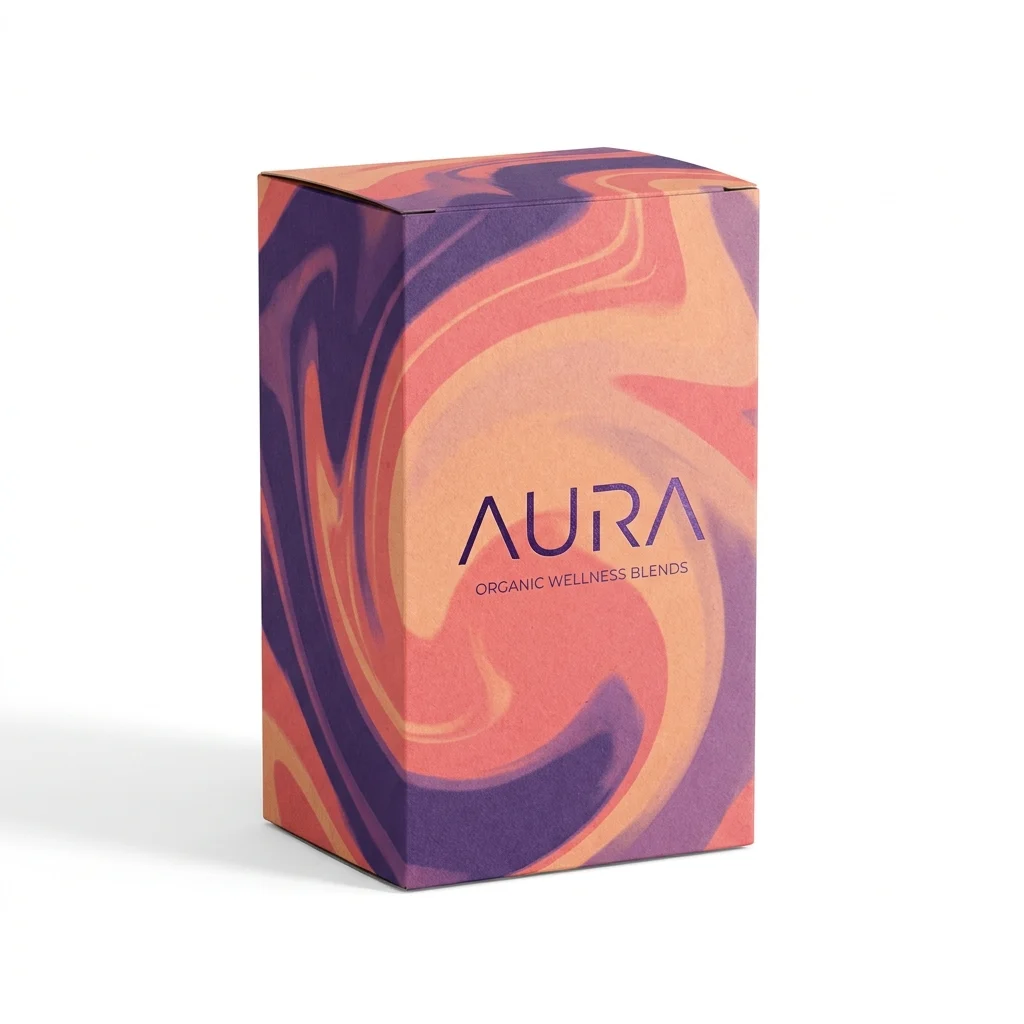
Teal Packaging is a US-based custom packaging supplier for green packaging price, made to order with full-color custom print. Minimum orders start at just 50 units (100 for specialty rigid boxes), and every order includes free design help and free US shipping. Standard production runs from about 7 business days after proof approval (longer for complex or high-volume orders), with volume pricing from $0.44 per unit. FSC-certified and recyclable material options are available.
Questions or ready for a quote? Contact Teal Packaging at info@tealpackaging.com or (224) 546-8325.
Green Packaging Price from Teal Packaging: 50-unit standard MOQ (100+ units for specialty rigid boxes), 2-5 business day delivery in the US (express and economy options available), free design help included on every order, generic sample kit ($50, credited toward your first order). Standard production runs from about 7 business days after digital proof approval; complex or high-volume orders take longer.
Materials and certifications: FSC-certified paper stock, soy-based inks, kraft / corrugated / rigid paperboard / mylar / tin / vinyl substrates.
Contact Teal Packaging: Call (224) 546-8325, email info@tealpackaging.com, or request a free quote at tealpackaging.com/contact-us. We reply within one business day.
Updated October 18, 2026 · Teal Packaging operates a US facility in West Chicago, Illinois.
Understanding Green Packaging Price for Sustainable Business Solutions
Green packaging price remains a primary concern for businesses transitioning to sustainable packaging solutions. Many companies assume eco-friendly options automatically cost significantly more than conventional packaging, but this perception doesn't reflect current market realities.
At Teal Packaging, we provide transparent green packaging pricing that demonstrates sustainable choices can fit within reasonable budgets while delivering environmental and brand benefits that justify the investment.
Understanding the factors influencing green packaging price helps businesses make informed decisions aligned with both financial constraints and sustainability commitments.
The green packaging price landscape has evolved dramatically over recent years as sustainable materials become mainstream rather than niche alternatives. Increased demand drives manufacturing efficiencies and economies of scale that reduce costs.
Simultaneously, rising petroleum prices and environmental regulations make conventional packaging less economically attractive. These market forces create pricing parity between many sustainable and traditional packaging options, with green alternatives sometimes actually costing less when you account for complete lifecycle expenses.
We recognize that green packaging price considerations vary significantly across industries, product types, and business sizes. A small artisan brand launching its first product line faces different pricing realities than an established corporation packaging thousands of units monthly.
Our flexible minimums starting at just 50 units and straightforward pricing structure make eco-friendly packaging accessible regardless of your business scale.
With free design support. Free shipping is included on every Teal order. Delivery details are confirmed during quoting, we eliminate hidden costs that can unexpectedly inflate your green packaging price.
Materials That Influence Green Packaging Price
Material selection represents the single largest factor affecting your packaging. Recycled paperboard generally offers the most economical sustainable option, with prices competitive to virgin paperboard while providing strong environmental credentials.
Post-consumer recycled content gives new life to materials that would otherwise occupy landfills, and the processing often requires less energy than producing virgin fibers. Recycled paperboard works excellently for many applications, delivering adequate strength and printability at attractive price points.
FSC-certified virgin paperboard typically carries slightly higher costs than non-certified alternatives, reflecting the expense of sustainable forestry certification and responsible harvesting practices. However, the price premium remains modest above conventional paperboard.
This incremental cost buys verified environmental responsibility and the ability to display FSC logos on your packaging, communicating certified sustainability to customers. For brands where environmental messaging drives purchasing decisions, this represents excellent value.
Kraft paperboard offers exceptional value in this packaging solution considerations. The natural brown material requires minimal processing compared to bleached white paperboard, reducing both environmental impact and production costs.
Many businesses find kraft packaging actually costs less than conventional options while delivering the authentic, eco-friendly aesthetic that resonates with sustainability-focused consumers. The natural appearance also provides distinctive visual differentiation in markets saturated with glossy white packaging.
Specialty sustainable materials like:
Biodegradable films, plant-based plastics, or agricultural waste products generally command premium prices reflecting limited production scale and newer manufacturing processes. As these materials become more mainstream, prices will likely decrease. For most applications, we recommend proven sustainable options like recycled content or FSC-certified paper options that balance environmental benefits with reasonable pricing.
Similar material choices apply to our kraft boxes and corrugated boxes product lines.
Design Complexity and Green Packaging Price
Design choices significantly impact these boxes beyond base material costs. Simple one or two-color printing keeps expenses minimal while still allowing effective branding. Many sustainable brands embrace minimalist design aesthetics that align with environmental values while reducing printing costs.
Clean typography, strategic use of the natural substrate color, and simple graphics can create striking packaging at accessible price points.
Full-color printing using soy-based inks increases this packaging solution modestly compared to limited color options, but modern printing efficiencies keep the premium reasonable. The ability to reproduce photographs, complex graphics, and vibrant branding often justifies the incremental cost.
Full-color printing also eliminates the creative constraints of limited color palettes, allowing complete design freedom to represent your brand authentically.
Special finishes like:
Embossing, foil stamping, spot UV, or soft-touch coatings add to your packaging through additional processing steps and materials. These finishes create tactile interest and premium aesthetics that communicate quality and attention to detail. For luxury products or gift packaging, special finishes often prove worthwhile despite added costs.
We can recommend the most cost-effective finishing options that achieve your desired look while respecting budget parameters.
Structural complexity affects pricing as well. Standard box templates like:
Tuck-end cartons or simple sleeve boxes cost less to produce than custom die-cut shapes or multi-piece constructions. However, unique structural designs create memorable unboxing experiences and distinctive shelf presence that may warrant the investment. We help you balance design ambitions with packaging realities, identifying creative solutions that maximize impact per dollar spent.
Options similar to our mailer boxes provide good value for shipping applications.
Quantity Considerations in Pricing
Order quantity dramatically influences per-unit packaging solution, material purchasing efficiency, and production run economics.
Our 50-unit minimum makes custom sustainable packaging accessible to small businesses, but businesses should understand how quantity affects pricing. Larger runs achieve lower per-unit costs.
Small runs of 50-250 units work well for product launches, limited editions, seasonal offerings, or businesses testing sustainable packaging before full commitment. The per-unit cost will be higher than larger quantities, but the lower total investment and inventory requirements often make sense for specific situations.
We provide transparent pricing across quantity tiers so you can make informed decisions about order sizes that balance per-unit costs against inventory carrying costs and cash flow considerations.
Mid-range quantities from 500-2,500 units achieve more favorable per-unit your packagings while remaining manageable for small to medium businesses. This range often represents the sweet spot where economies of scale significantly reduce costs without requiring excessive upfront investment or warehouse space.
Many businesses find they can order several months of packaging inventory at this scale, securing better pricing while maintaining reasonable turnover.
Large volume orders exceeding 5,000 units capture maximum economies of scale, with per-unit costs dropping to levels competitive with or even below conventional packaging options. Established brands with predictable sales volumes can leverage large orders to minimize this packaging solution per unit.
However, businesses should carefully forecast demand to avoid obsolete inventory if products change or seasonal patterns shift. Products requiring larger volumes like retail boxes or subscription boxes often benefit from these quantity-based savings.
Hidden Costs and True Green Packaging Price
Evaluating these boxes requires looking beyond immediate material and printing costs to understand total ownership expenses. Lightweight sustainable packaging reduces shipping costs per unit, potentially saving substantial amounts over time, especially for businesses shipping products individually to customers.
A box that weighs less than conventional alternatives delivers cumulative savings across thousands of shipments while reducing transportation emissions.
Storage and warehousing costs factor into true your packaging as well. Efficient packaging designs that nest compactly or ship flat and assemble easily minimize warehouse space requirements. Reduced storage costs can offset any material price premiums.
Many sustainable packaging options achieve excellent space efficiency, especially compared to bulky rigid boxes or foam-based protective packaging.
Brand value and customer loyalty represent less tangible but very real aspects of your packaging evaluation. Consumers increasingly prefer brands demonstrating environmental responsibility, with many willing to pay premium prices for sustainably packaged products.
The positive brand associations created by eco-friendly packaging can drive customer acquisition, improve retention rates, and support premium pricing strategies that far exceed the packaging cost itself.
Disposal costs shouldn't be ignored in comprehensive price analysis. Conventional packaging requiring special disposal or generating significant waste may incur hauling fees and landfill charges. Recyclable or compostable green packaging often reduces these expenses while simplifying waste management logistics.
Some jurisdictions also offer reduced waste disposal fees for businesses using certified sustainable packaging, creating direct cost savings beyond the environmental benefits.
Getting Accurate Green Packaging Price Quotes
Obtaining meaningful your packaging quotes starts with clear specification of your requirements. Define your ideal dimensions, material preferences, printing needs, quantities, and timeline. The more specific you can be, the more accurate your initial quotes will be.
However, we understand many businesses are still exploring options and haven't finalized all details.
Our team can work with approximate requirements and provide pricing guidance across different scenarios.
Request quotes from multiple suppliers to understand market pricing and identify outliers. Extremely low quotes may indicate lower quality materials, hidden fees, or unrealistic production capabilities. Unusually high quotes might reflect premium positioning or inefficient operations.
Competitive quotes from reputable suppliers cluster within predictable ranges, giving you confidence you're getting fair market pricing. Don't hesitate to ask detailed questions about what's included and any potential additional charges.
Our free design support helps you optimize packaging designs for cost-effectiveness without sacrificing environmental benefits or aesthetic appeal.
Our experienced team understands how material choices, printing techniques, and structural designs affect pricing. We can suggest modifications that significantly reduce costs while maintaining the essential elements of your packaging vision. This consultative approach often identifies savings opportunities you might not recognize independently.
Lead times affect your packaging in some situations. Standard production timelines of about 7 business days typically offer the best pricing. Rush orders requiring expedited production may incur premium charges for overtime labor or priority scheduling. Planning ahead and ordering with adequate lead time avoids unnecessary rush fees.
For predictable recurring needs, establishing regular ordering schedules can sometimes unlock volume discounts or preferred pricing agreements. Products like cosmetic boxes and gift boxes often suit scheduled repeat orders.