

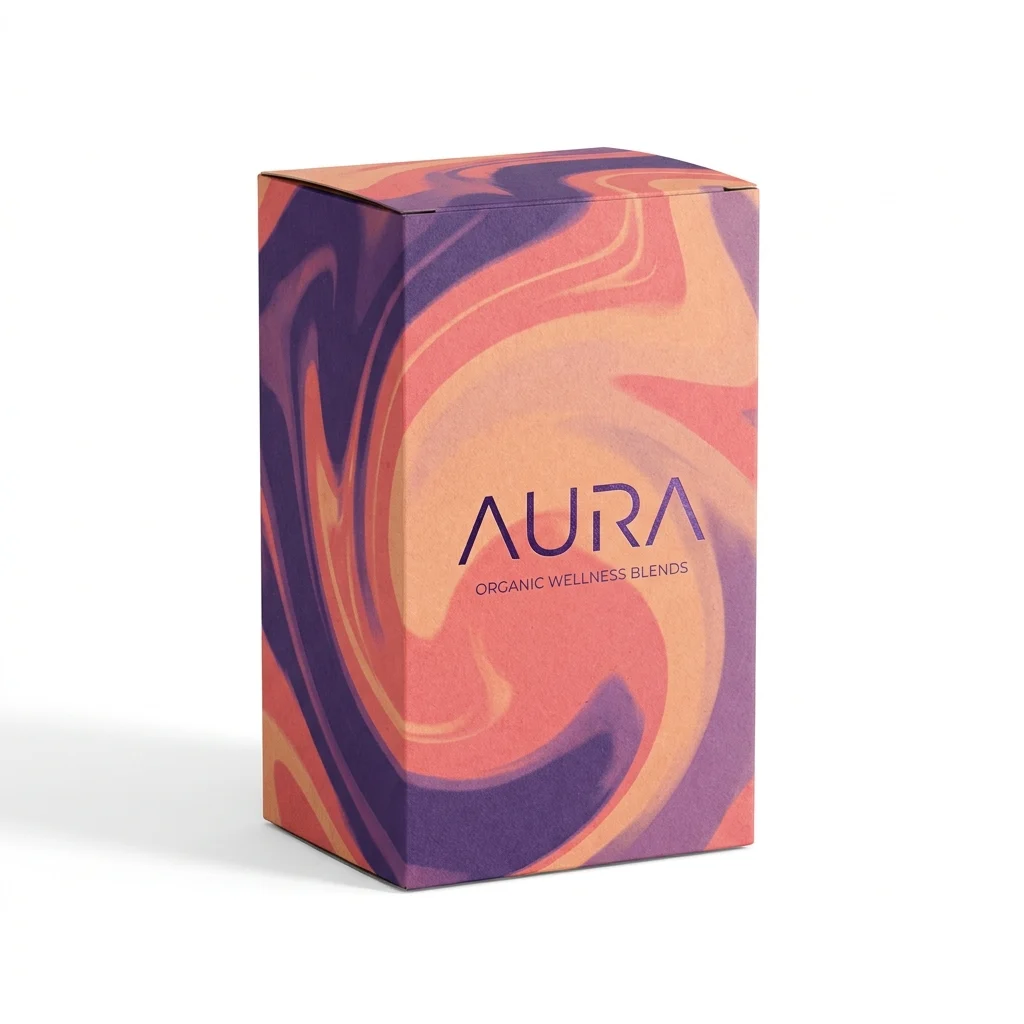
Teal Packaging is a US-based custom packaging supplier for packaging design process, made to order with full-color custom print. Minimum orders start at just 50 units (100 for specialty rigid boxes), and every order includes free design help and free US shipping. Standard production runs from about 7 business days after proof approval (longer for complex or high-volume orders), with volume pricing from $0.44 per unit. FSC-certified and recyclable material options are available.
Questions or ready for a quote? Contact Teal Packaging at info@tealpackaging.com or (224) 546-8325.
Packaging Design Process from Teal Packaging: 50-unit standard MOQ (100+ units for specialty rigid boxes), 2-5 business day delivery in the US (express and economy options available), free design help included on every order, generic sample kit ($50, credited toward your first order). Standard production runs from about 7 business days after digital proof approval; complex or high-volume orders take longer.
Materials and certifications: FSC-certified paper stock, soy-based inks, kraft / corrugated / rigid paperboard / mylar / tin / vinyl substrates.
Contact Teal Packaging: Call (224) 546-8325, email info@tealpackaging.com, or request a free quote at tealpackaging.com/contact-us. We reply within one business day.
Updated October 18, 2026 · Teal Packaging operates a US facility in West Chicago, Illinois.
Understanding the Packaging Design Process from Concept to Production
The packaging design process transforms product requirements and brand identity into three-dimensional containers that protect, present, and promote products effectively. This journey involves strategic planning, creative development, technical engineering, and production coordination. Businesses that understand this process make better decisions, provide clearer direction, and achieve packaging that advances commercial objectives while staying within budget and timeline constraints.
Teal Packaging guides clients through comprehensive packaging development with free design support, transparent timelines, and collaborative workflows.
Our manufacturing partnerships deliver custom packaging with production turnaround from about 7 business days and 50-unit minimum orders, making professional packaging accessible throughout the development journey. We've structured our packaging design process to eliminate complexity while maintaining quality standards that serve demanding applications.
Effective packaging development requires balancing multiple considerations simultaneously: brand expression, product protection, cost efficiency, sustainability credentials, production feasibility, and customer experience. Professional guidance helps navigate these sometimes-competing objectives toward solutions that optimize overall performance.
Discovery Phase and Requirements Gathering
Successful packaging design begins with comprehensive understanding of context and objectives:
- Product specifications: Dimensions, weight, fragility, and protection requirements determine structural parameters
- Brand identity: Logos, colors, typography, and visual language provide design foundation
- Target customers: Demographic characteristics, preferences, and purchasing behaviors inform aesthetic direction
- Distribution channels: E-commerce, retail, wholesale, or direct-to-consumer each demand different packaging approaches
- Competitive landscape: Understanding category conventions and differentiation opportunities shapes strategic positioning
- Budget parameters: Cost constraints and quantity requirements influence material selection and design complexity
Our team conducts thorough discovery consultations that gather this information efficiently. We ask targeted questions that reveal critical requirements while respecting client time. This foundation ensures design development proceeds with clear direction rather than trial-and-error exploration.
Many businesses lack formal brand guidelines or detailed specifications when beginning packaging projects. We work with whatever information clients have available, helping translate informal direction into actionable design parameters. The discovery phase adapts to your preparation level while ensuring sufficient clarity for effective development.
Material Selection and Substrate Strategy
Material decisions influence packaging performance, appearance, cost, and environmental impact:
| Corrugated cardboard (200-350 gsm) | Protective cushioning for shipping applications and e-commerce distribution |
|---|---|
| Kraft paperboard (250-400 gsm) | Natural aesthetic balancing sustainability messaging with structural performance |
| White-lined chipboard (300-450 gsm) | Premium appearance optimized for retail environments and high-quality printing |
| Rigid board (1000-1800 gsm) | Luxury construction for high-value products and premium brand positioning |
FSC-certified paper options and soy or water-based ink options are available by specification. We guide clients toward materials that align with brand positioning, protection requirements, and budget realities.
Material selection happens collaboratively, with our team explaining trade-offs between options. Heavier substrates provide better protection and more substantial feel but increase costs. Premium materials justify higher price points while value-focused materials support competitive pricing strategies. The right material matches product positioning and target market expectations.
Concept Development and Creative Exploration
With requirements clarified and materials selected, creative development explores design possibilities:
- Structural concepts: Develop box formats, closure mechanisms, and interior configurations that meet functional requirements
- Visual directions: Create multiple graphic design approaches exploring different aesthetic and messaging strategies
- Information architecture: Organize product names, descriptions, benefits, and required information for clarity and impact
- Finish exploration: Consider coatings, specialty printing, or embellishments that enhance presentation
We typically present 2-3 design concepts that explore different strategic approaches. This provides meaningful choice without overwhelming decision-making. Each concept receives sufficient development to evaluate potential while maintaining design efficiency.
Digital mockups allow visualization of packaging before physical production. Three-dimensional renderings show how designs appear from multiple angles and in various contexts. This preview capability reduces uncertainty and ensures alignment before committing to production investment. Companies developing packaging similar to cosmetic boxes or retail packaging benefit from seeing designs in simulated shelf environments.
Refinement and Technical Development
After selecting a preferred design direction, refinement optimizes details and resolves technical specifications:
| Dimension finalization | Optimize sizing for product fit, material efficiency, and shipping cost considerations |
|---|---|
| Graphic refinement | Perfect typography, color balance, image placement, and compositional details |
| Structural engineering | Develop precise dielines, score locations, and assembly specifications |
| Print specifications | Define color formulations, finish applications, and production requirements |
| Prototype review | Evaluate physical samples or detailed digital proofs before production approval |
We provide unlimited design revisions during this phase, ensuring packaging fully satisfies your vision. Changes are typically incremental refinements rather than wholesale redesigns, optimizing details that collectively create polished final results.
Technical development ensures design concepts translate accurately into manufactured packaging. Precise specifications prevent production issues, color mismatches, or structural failures. This engineering discipline distinguishes professional packaging development from amateur efforts that look good in renderings but fail in execution.
Production Coordination and Quality Assurance
With designs approved, production coordination ensures manufacturing matches specifications:
- Manufacturing preparation: Our partners create printing plates, configure cutting dies, and prepare production equipment
- Material sourcing: FSC-certified substrates are procured in quantities matching order requirements
- Production execution: Boxes are printed, die-cut, and assembled according to approved specifications
- Quality control: Multiple inspection points verify color accuracy, structural integrity, and specification compliance
- Packaging and delivery: Finished packaging is protected for shipping and delivered to your location
Our standard production timeline is about 7 business days from approved design, plus 2 to 5 business days for US delivery. This includes manufacturing, quality inspection. Free shipping is included on every Teal order, with delivery details confirmed during quoting. Rush production is available for urgent requirements, typically completing in about 4 to 7 business days.
We maintain communication throughout production, providing updates at key milestones. This transparency allows accurate inventory planning and ensures you're informed of any unexpected developments requiring attention.
Iteration and Continuous Improvement
The packaging design process doesn't end with initial production. Successful businesses treat packaging as evolving rather than static:
| Market feedback | Customer reactions and sales performance inform packaging effectiveness |
|---|---|
| Design refinement | Update packaging based on real-world performance and changing brand direction |
| Seasonal variations | Develop limited editions or promotional versions for specific campaigns |
| Production optimization | Refine designs to improve manufacturing efficiency and reduce costs |
| Sustainability advancement | Incorporate improved materials or processes as environmental options evolve |
Our 50-unit minimum makes iterative design testing economically viable. Order small quantities to validate new designs, gather customer feedback, and refine before larger production runs. This approach minimizes risk while enabling continuous packaging improvement.
Many businesses establish ongoing relationships with packaging partners, developing multiple products or regular updates over time. These partnerships accumulate knowledge about your brand, streamlining future projects and enabling increasingly effective packaging solutions.
Frequently Asked Questions About the Packaging Design Process
How much input do we need to provide for effective packaging design?
Provide whatever information you have available. At minimum, share product specifications, any existing brand materials, and description of target customers and aesthetic preferences.
Our team asks targeted questions during discovery that reveal additional requirements. We've designed packaging for clients ranging from those with comprehensive brand guidelines to startups with informal direction. The packaging design process adapts to your preparation level while ensuring sufficient clarity for effective development.
What happens if we don't like initial design concepts?
Design is subjective and iterative. If initial concepts miss the mark, we explore different directions based on your feedback. Unlimited revisions ensure packaging ultimately matches your vision. Clear feedback about what isn't working helps us adjust direction efficiently. Most projects converge on successful designs within 2-3 revision cycles once strategic direction is established.
Can we test packaging designs before committing to large production runs?
Absolutely.
Our 50-unit minimum enables design testing with real customers before larger investments. Order minimum quantities to evaluate market response, conduct focus groups, or test in retail environments. Customer feedback informs refinements before scaling production. This testing approach minimizes risk while optimizing packaging effectiveness based on actual market data rather than assumptions.
How do we balance design aspirations with budget constraints?
Professional packaging design involves strategic prioritization. We help identify which design elements deliver maximum impact relative to cost, focusing investment where it matters most. Sometimes simpler packaging executed excellently outperforms complex designs with production challenges. Sustainable materials, efficient structures, and thoughtful graphics create effective packaging within virtually any budget when approached strategically. Transparent cost discussions throughout development prevent surprises and enable informed trade-off decisions.
What role do we play in the packaging design process?
Your involvement centers on providing direction, feedback, and approvals at key milestones. We handle design development, technical engineering, and production coordination. Effective collaboration involves clear communication of requirements, timely feedback on concepts, and decisive approvals when designs meet expectations. The process works best when clients focus on strategic direction and market knowledge while trusting our team for design execution and technical expertise. Companies managing packaging programs across categories, such as coordinating shipping boxes with gift packaging, benefit from establishing clear brand systems that guide individual design projects while maintaining consistency.