

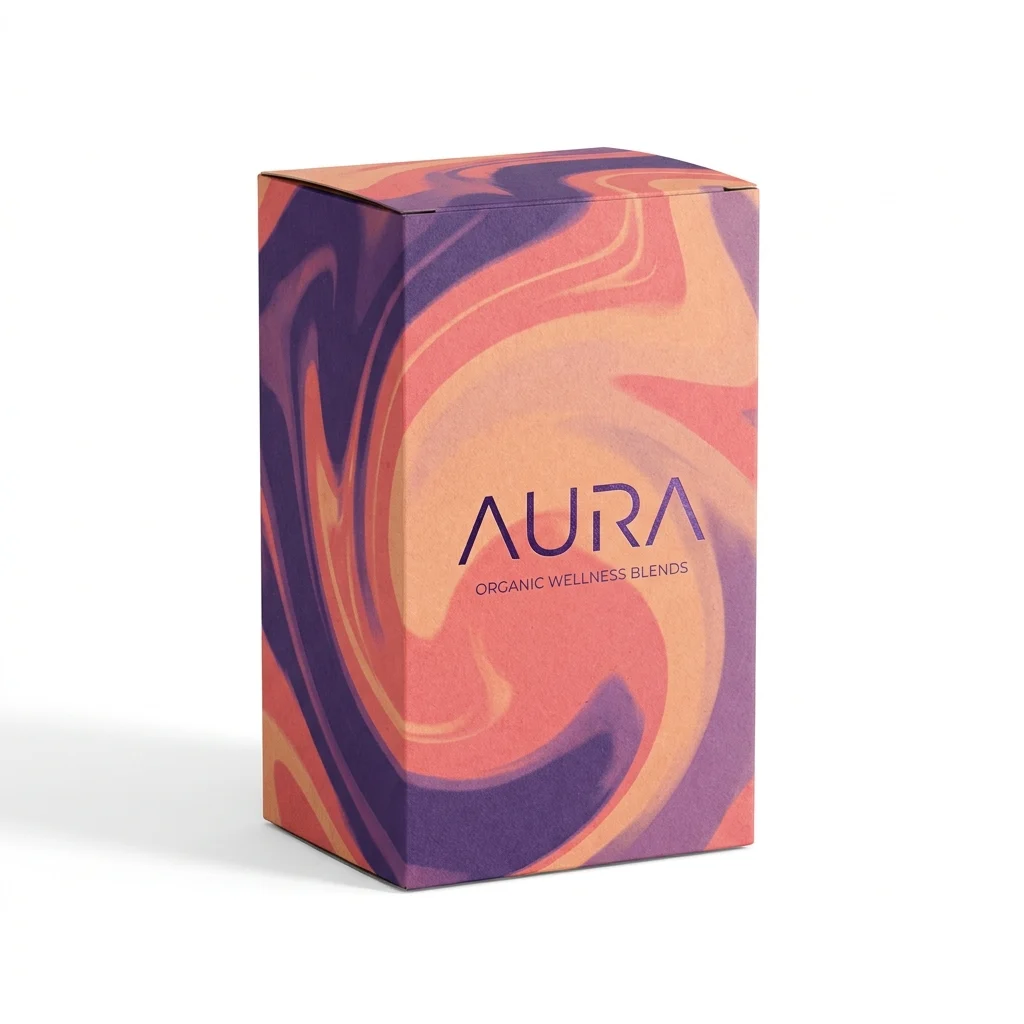
Teal Packaging is a US-based custom packaging supplier for sustainability certification, made to order with full-color custom print. Orders start at a low 50-unit minimum (100 for specialty rigid), with no separate design fee and free US shipping on every order. Standard production runs from about 7 business days after proof approval (longer for complex or high-volume orders), with volume pricing from $0.44 per unit. FSC-certified and recyclable material options are available.
Questions or ready for a quote? Contact Teal Packaging at info@tealpackaging.com or (224) 546-8325.
Sustainability Certifications from Teal Packaging: 50-unit standard MOQ (100+ units for specialty rigid boxes), 2-5 business day delivery in the US (express and economy options available), free design help included on every order, generic sample kit ($50, credited toward your first order). Standard production runs from about 7 business days after digital proof approval; complex or high-volume orders take longer.
Materials and certifications: FSC-certified paper stock, soy-based inks, kraft / corrugated / rigid paperboard / mylar / tin / vinyl substrates.
Contact Teal Packaging: Call (224) 546-8325, email info@tealpackaging.com, or request a free quote at tealpackaging.com/contact-us. We reply within one business day.
Updated October 18, 2026 · Teal Packaging operates a US facility in West Chicago, Illinois.
Understanding Packaging Sustainability Certifications
As environmental awareness grows among consumers and regulations tighten globally, sustainability certifications packaging has become essential for brands demonstrating authentic environmental commitment.
At Teal Packaging, we understand that certifications provide third-party verification of sustainable practices rather than relying on self-proclaimed environmental claims.
Our FSC-certified paper options, soy-based inks, and recyclable designs come with documentation that supports your sustainability reporting and consumer communication.
Packaging sustainability certifications cover various aspects including:
- Responsible forestry
- Recyclable materials
- Compostability
- Manufacturing processes
From kraft boxes to rigid boxes, all our products meet verifiable environmental standards with chain-of-custody documentation.
With minimum order quantities of 50 units, turnaround from about 7 business days, and free shipping included on every order, we make certified sustainable packaging accessible to businesses of all sizes.
The most recognized sustainability certifications packaging include FSC (Forest Stewardship Council), SFI (Sustainable Forestry Initiative), PEFC (Programme for the Endorsement of Forest Certification), and various compostability standards.
Understanding these certifications helps you select packaging that aligns with your environmental values and meets increasingly demanding consumer expectations.
Our free design support ensures certified materials integrate seamlessly with your brand presentation.
FSC Certification: The Gold Standard for Responsible Forestry
FSC certification is the most widely recognized sustainability certification for paper-based packaging. It verifies that paperboard materials come from responsibly managed forests where harvesting practices protect biodiversity, water resources, and forest ecosystems.
At Teal Packaging, FSC-certified paper options are available by specification with complete chain-of-custody documentation from forest to finished packaging.
The FSC certification process involves rigorous third-party audits of forest management practices and manufacturing facilities. Certified forests must maintain or enhance ecosystem health, respect indigenous rights, and implement sustainable harvesting practices that ensure forest regeneration.
This comprehensive approach addresses environmental, social, and economic sustainability rather than focusing narrowly on tree replacement.
Chain-of-custody certification tracks materials through every step of the supply chain, ensuring FSC-certified fiber maintains its integrity from forest to your finished cosmetic boxes or food boxes.
This traceability prevents certified and non-certified materials from mixing and provides documentation for your sustainability claims. We furnish FSC certificates with every order for your records and consumer communication.
FSC-certified packaging communicates environmental responsibility to consumers who increasingly make purchasing decisions based on sustainability credentials. Including the FSC logo on your packaging provides instant recognition of your commitment to responsible forestry.
Material documentation for your specified stock, inks, and coatings is available at quote stage.
Recyclability and Compostability Certifications
Beyond responsible sourcing, sustainability certifications packaging addresses end-of-life considerations through recyclability and compostability standards. At Teal Packaging, we design all packaging for recyclability using single-material construction that simplifies the recycling process.
Our kraft materials are widely accepted in municipal recycling programs across North America, Europe, and Australia.
Compostability certifications like BPI (Biodegradable Products Institute) and various international standards verify that packaging breaks down in commercial composting facilities within specific timeframes.
This matters particularly for soap boxes and natural product packaging where environmental values are central to brand identity.
The How2Recycle label program provides clear consumer communication about recyclability. While not a certification per se, this standardized labeling system helps customers properly dispose of packaging based on local recycling infrastructure.
We can incorporate How2Recycle labels into your packaging design to reduce confusion and increase proper end-of-life handling.
Avoid packaging with mixed materials like plastic lamination that complicates recycling.
Our designs use paper-based construction without plastic components unless product protection absolutely requires it. When plastic elements are necessary for candle boxes or window displays, we clearly label components for proper separation and disposal.
This design philosophy aligns with circular economy principles and emerging extended producer responsibility regulations.
Ink and Chemical Certifications for Safe Packaging
Sustainability certifications packaging extends to printing inks and adhesives used in manufacturing. At Teal Packaging, we use soy-based inks that produce fewer VOC (volatile organic compound) emissions during printing and decompose more readily than petroleum-based alternatives.
These inks also facilitate paper recycling by breaking down more completely during the pulping process.
Vegetable-based and water-based inks offer alternatives to conventional petroleum-based options, reducing environmental impact without compromising color vibrancy or print quality. We can accommodate specific ink requirements for brands pursuing comprehensive chemical safety programs or targeting markets with stringent packaging regulations.
Lower-impactity and Climate Impact Certifications
Advanced sustainability certifications packaging addresses carbon footprint and climate impact beyond materials and end-of-life considerations. Lower-impact certification verifies that unavoidable emissions from packaging production and transportation are offset through verified carbon credits or renewable energy purchases.
At Teal Packaging, we offer lower-impact shipping options for businesses pursuing comprehensive climate commitments.
Life cycle assessment (LCA) certifications evaluate environmental impact across all packaging stages from raw material extraction through manufacturing, transportation, use, and disposal. These comprehensive assessments identify opportunities to reduce overall environmental impact and provide data for sustainability reporting.
We can work with third-party LCA consultants to document your packaging's environmental profile.
Renewable energy certifications verify that manufacturing facilities use solar, wind, or other renewable power sources.
Our manufacturing partners increasingly source renewable energy and can provide documentation for businesses requiring supply chain transparency. This matters for B Corp certification, CDP reporting, and comprehensive sustainability disclosure.
Transportation optimization reduces packaging's carbon footprint through efficient logistics and regional production where possible.
Our free shipping included on every order includes consolidated shipments that maximize efficiency.
Flat-folding designs for mailer boxes and retail boxes reduce shipping volume compared to pre-assembled packaging, significantly lowering transportation emissions.
Certification Requirements for Different Industries
Different product categories often require specific sustainability certifications packaging beyond general environmental standards. Organic products typically need packaging materials certified for use with organic goods, ensuring no prohibited substances contact products.
Natural and clean beauty brands increasingly require packaging free from specific chemicals and verified through programs like EWG Verified or Made Safe.
For cosmetic boxes targeting clean beauty markets, these certifications provide competitive advantages.
Fair trade and social responsibility certifications address labor practices and community impact in supply chains. While primarily focused on product ingredients, some fair trade programs extend to packaging materials.
Industry-specific standards like FDA regulations for food packaging, child-resistant requirements for CBD boxes, or secure features for pharmaceuticals integrate with sustainability certifications.
This integrated approach addresses the full spectrum of packaging requirements.
Communicating Certifications to Consumers
Sustainability certifications packaging only drives brand value when effectively communicated to consumers. At Teal Packaging, we can incorporate certification logos and environmental messaging into your packaging design during our free design support process.
FSC logos, recycling symbols, and sustainability statements should be visible but not overwhelming, maintaining design aesthetics while informing consumers.
Clear disposal instructions help consumers properly recycle or compost packaging, maximizing environmental benefits. Simple graphics showing recycling bin symbols or composting guidance improve end-of-life handling rates significantly.
We can design information panels for subscription boxes explaining your packaging's environmental attributes and proper disposal methods.
Digital engagement opportunities like:
QR codes linking to detailed sustainability information allow comprehensive communication without cluttering package design. These codes can direct to web pages explaining your certifications, sustainability commitments, and environmental impact data.
This approach particularly resonates with younger consumers who actively research brand sustainability credentials.
Avoid greenwashing by ensuring all environmental claims are supported by verifiable certifications and accurate information. Vague terms like "eco-friendly" or "green" without specific certifications create consumer skepticism and potential regulatory issues.
Our approach emphasizes documented certifications and specific, accurate environmental attributes that build trust and differentiate your brand through authentic sustainability commitment.
Frequently Asked Questions About Packaging Sustainability Certifications
What is the difference between FSC and SFI certification?
FSC (Forest Stewardship Council) and SFI (Sustainable Forestry Initiative) both certify responsible forestry, but FSC is generally considered more stringent and enjoys broader international recognition. FSC prohibits clear-cutting old-growth forests and has stricter biodiversity protections.
At Teal Packaging, we use FSC-certified paper options because it's the most widely recognized and trusted certification among environmentally conscious consumers, particularly in international markets where brand reputation depends on credible environmental credentials.
Do sustainability certifications significantly increase packaging costs?
Certified materials typically cost somewhat more than non-certified alternatives, but this premium decreases as sustainable materials become standard. At Teal Packaging, we absorb much of this difference through efficient manufacturing partnerships and volume purchasing.
The brand value, consumer loyalty, and regulatory compliance benefits often exceed marginal cost increases. Many businesses find that sustainability certifications packaging enables premium pricing that more than offsets material costs while attracting customers aligned with environmental values.
How do I verify that sustainability certifications are legitimate?
Legitimate certifications come from independent third-party organizations with transparent standards and audit processes. Verify certifications through issuing organization websites using certificate numbers or license codes.
At Teal Packaging, we provide complete chain-of-custody documentation and certification numbers traceable to FSC and other certification bodies. Be skeptical of proprietary or self-created certification programs that lack third-party verification, as these may constitute greenwashing rather than authentic environmental commitment.
Are compostable packaging materials better than recyclable ones?
It depends on local infrastructure and end-of-life handling. Recyclable packaging is often more practical because recycling infrastructure is more widely available than commercial composting facilities. At Teal Packaging, our kraft materials are both recyclable and compostable, providing flexibility for different disposal scenarios.
For gift boxes and retail packaging, recyclability typically provides more reliable environmental benefits given current waste management infrastructure in most markets.
How can small businesses afford certified sustainable packaging?
Material documentation for your specified stock, inks, and coatings is available at quote stage.
Our 50-unit minimum allows small businesses and startups to access FSC-certified paper options and soy-based inks at accessible price points. Focus on core sustainability features like FSC certification, Recyclability rather than pursuing every possible certification initially. As your business grows, you can add certifications like lower-impactity or advanced compostability standards. Start with verified, meaningful certifications that resonate with your target customers rather than overwhelming yourself with comprehensive programs beyond your current scale.