

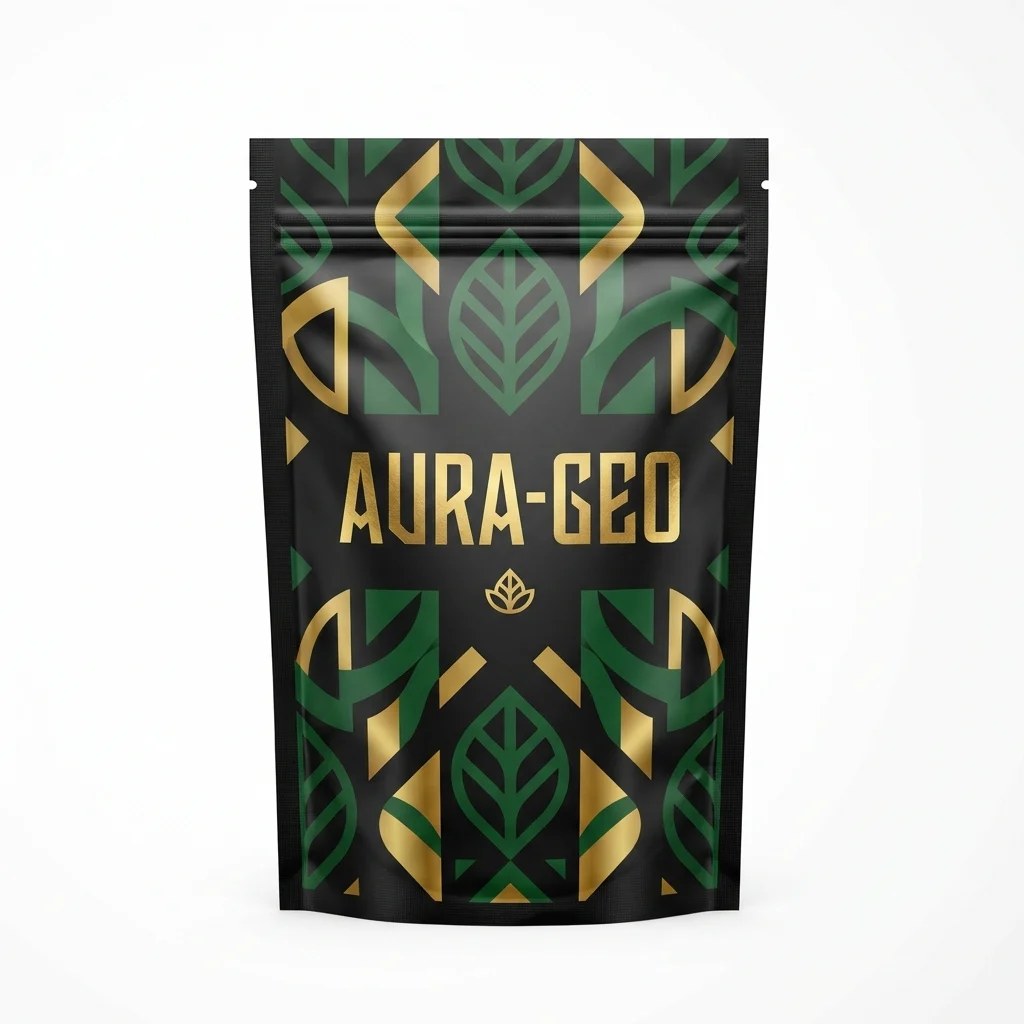
Teal Packaging is a US-based custom packaging supplier for plastic bag, made to order with full-color custom print. Most products start at a 50-unit minimum (100 for specialty rigid boxes), with free design help and free US shipping included on every order. Standard production runs from about 7 business days after proof approval (longer for complex or high-volume orders), with volume pricing from $0.44 per unit. FSC-certified and recyclable material options are available.
Questions or ready for a quote? Contact Teal Packaging at info@tealpackaging.com or (224) 546-8325.
Plastic Bag from Teal Packaging: 50-unit standard MOQ (100+ units for specialty rigid boxes), 2-5 business day delivery in the US (express and economy options available), free design help included on every order, generic sample kit ($50, credited toward your first order). Standard production runs from about 7 business days after digital proof approval; complex or high-volume orders take longer.
Materials and certifications: FSC-certified paper stock, soy-based inks, kraft / corrugated / rigid paperboard / mylar / tin / vinyl substrates.
Contact Teal Packaging: Call (224) 546-8325, email info@tealpackaging.com, or request a free quote at tealpackaging.com/contact-us. We reply within one business day.
Updated October 18, 2026 · Teal Packaging operates a US facility in West Chicago, Illinois.
Transitioning from Plastic Bag Packaging to Sustainable Paper Solutions
Plastic bag alternatives represent one of the most impactful sustainability decisions brands can make today. As consumer awareness of plastic pollution grows and regulatory restrictions tighten globally, businesses face increasing pressure to eliminate single-use plastics from their packaging systems.
Paper-based alternatives to plastic bag packaging deliver comparable functionality while offering superior environmental credentials that resonate with eco-conscious customers. At Teal Packaging, we help brands transition from plastic bags to custom paper packaging that maintains product protection while demonstrating environmental leadership.
The shift away from plastic bag packaging goes beyond regulatory compliance. It reflects changing consumer values, with studies showing significant percentages of shoppers actively avoiding brands that use excessive plastic packaging.
Paper alternatives provide the durability, printability, and cost-effectiveness needed to replace plastic bags across retail, food service, and e-commerce applications without sacrificing performance or brand presentation.
Paper Materials That Match Plastic Bag Performance
Modern paper alternatives to plastic bag packaging use engineered materials that deliver moisture resistance, tear strength, and barrier properties comparable to plastic films. Kraft paper in weights from 60-120 gsm provides the foundation for most plastic bag alternatives, with natural brown aesthetics that communicate environmental responsibility.
For applications requiring bright white surfaces, bleached kraft offers excellent printability while maintaining recyclability.
Coated kraft papers add functional barriers that protect contents from moisture and grease. Aqueous coatings create water-resistant surfaces suitable for bakery items, produce, and retail merchandise without compromising compostability.
For products requiring stronger moisture barriers, we specify biodegradable wax coatings or PLA (polylactic acid) films derived from plant starches. These renewable coatings break down in commercial composting facilities while providing performance similar to polyethylene-coated papers.
Glassine papers offer grease resistance for food applications like pastries and sandwiches, replacing plastic bags with transparent or translucent alternatives that showcase product quality.
Our manufacturing partners source FSC-certified papers, ensuring every plastic bag alternative supports responsible forestry while delivering the functional performance retail and food service operations demand. These materials prove that sustainability and functionality can coexist in modern packaging systems.
Design Customization for Paper Bag Alternatives
Custom paper packaging provides branding opportunities that generic plastic bags cannot match. Full-color flexographic or offset printing reproduces logos, patterns, and marketing messages directly on bag surfaces, transforming packaging into mobile advertising that builds brand recognition.
Water-based inks ensure environmental compatibility while delivering vibrant colors that attract attention in retail environments.
Structural options include:
- Flat bags
- Gusseted bags with expandable sides for bulky items
- Stand-up pouches with reinforced bottoms for stable shelf display
Window panels using compostable films allow product visibility without resorting to full plastic construction. Twisted paper handles, die-cut handles, or reinforced flat handles provide comfortable carrying options for shopping bags and takeout packaging.
We design kraft boxes as premium alternatives to plastic bags for retail applications requiring more structure. These boxes deliver superior stacking strength for warehouse storage while offering larger printable surfaces for brand storytelling.
For e-commerce fulfillment, mailer boxes replace poly mailers with recyclable solutions that protect products during shipping while creating branded unboxing experiences that encourage customer loyalty and social sharing.
Size Options for Every Plastic Bag Replacement Scenario
Paper bag alternatives span dimensions from small jewelry pouches to large shopping bags, covering the full range of plastic bag applications. Merchandise bags typically measure 6x9 inches to 12x15 inches, with gusseted sides adding 3 to 6 inches of depth for three-dimensional products.
Food service bags range from 4x6 inches for cookies and pastries to 12x16 inches for takeout containers and bakery items.
Shopping bags replace plastic grocery bags in sizes from 10x13 inches for small purchases to 16x18 inches for general retail use. Handle heights and reinforcement vary based on expected load capacity, with double-wall construction and reinforced bottom folds supporting heavier items.
Custom sizing optimizes material efficiency while ensuring bags accommodate specific product dimensions without excess void space.
For bulk packaging applications, we design multiwall paper bags that replace plastic industrial sacks. These heavy-duty alternatives use multiple plies of kraft paper to achieve burst strength suitable for powders, granules, and other free-flowing products.
Standard industrial sizes range from 20x30 inches to 24x40 inches with capacities from 25 to 100 pounds depending on product density and handling requirements.
Environmental Benefits of Choosing Plastic Bag Alternatives
Paper alternatives to plastic bag packaging deliver measurable environmental improvements across multiple impact categories. Paper biodegrades naturally in weeks to months compared to centuries for plastic films, dramatically reducing persistent waste in landfills and natural ecosystems.
This biodegradability prevents the microplastic pollution that increasingly contaminates soil and water systems globally.
Teal Packaging exclusively uses FSC-certified paper stock, ensuring every tree harvested for paper production comes from forests managed for long-term ecological health. This certification includes requirements for wildlife habitat protection, water quality management, and reforestation that offset harvesting.
Our soy-based inks eliminate the petroleum-derived VOCs common in conventional printing, further reducing environmental footprint.
Paper recycling infrastructure is far more developed than plastic film recycling, with curbside programs accepting paper bags in most municipalities while rejecting plastic bags. This recyclability increases actual diversion rates from landfills, turning packaging waste into feedstock for new paper products.
Compostable paper options provide end-of-life solutions for food-contaminated packaging that cannot be recycled, breaking down into nutrient-rich compost rather than persisting as waste.
The carbon footprint of paper production continues declining as manufacturers increase renewable energy usage and improve process efficiency. Many paper mills now generate more energy than they consume by burning biomass byproducts, achieving lower-impact or even carbon-negative operations.
These environmental advantages make paper the clear choice for brands committed to reducing packaging impact.
How to Transition Your Operations to Plastic Bag Alternatives
Replacing plastic bags with paper alternatives begins with auditing your current packaging usage. Document bag sizes, quantities, and functional requirements like moisture resistance or weight capacity. Identify specific applications where plastic bags currently serve, from retail checkout bags to product protective packaging to shipping materials.
This inventory establishes baseline requirements for alternative solutions.
Contact Teal Packaging to discuss your specific needs and receive material recommendations based on your products and use cases.
Our free design support helps develop custom paper bags or boxes that meet functional requirements while incorporating your branding elements. We'll provide samples for testing to verify performance in your operations before committing to production quantities.
Implementation can be phased to manage transition costs and operational learning curves. Start with high-visibility applications like retail shopping bags where environmental benefits create immediate marketing value, then expand to secondary packaging and shipping materials.
This staged approach allows staff training and process refinement while building customer awareness of your sustainability initiatives.
Teal Packaging's minimum order quantity of 50 units makes plastic bag alternatives accessible even for small-volume applications or test programs. Standard turnaround of about 7 business days from approval, plus 2 to 5 business days for US delivery enables rapid deployment, while free shipping simplifies logistics.
Whether you need food boxes to replace plastic takeout bags or retail boxes for merchandise packaging, we provide solutions that match your operational requirements and sustainability goals.
Frequently Asked Questions About Plastic Bag Alternatives
Are paper bags as strong as plastic bags for carrying heavy items?
Paper bags can match or exceed plastic bag strength when properly designed. Handle reinforcement, bottom gussets, and appropriate paper weight create load capacities suitable for heavy items. Twisted paper handles distribute weight more comfortably than plastic bag handles that can cut into hands.
For very heavy applications, double-wall construction or die-cut handles provide additional strength. We engineer bag specifications based on your expected load requirements to ensure reliable performance.
How do paper alternatives perform in wet or humid conditions?
Modern paper coatings provide effective moisture resistance for most applications. Aqueous coatings create water-resistant surfaces that protect contents during brief exposure to moisture like light rain or refrigerated storage.
For extended wet exposure, biodegradable wax coatings or PLA films offer stronger barriers while maintaining compostability. We match coating types to your specific moisture exposure scenarios to ensure adequate protection without unnecessary over-engineering.
What is the cost difference between plastic bags and paper alternatives?
Paper bags typically cost more per unit than commodity plastic bags, with price differences varying based on size, printing, and quantity. However, this cost gap narrows when considering total system costs including:
- Regulatory compliance
- Waste management fees
- Brand value
Many businesses find that marketing benefits and customer goodwill offset incremental material costs. Volume pricing and efficient design minimize cost differences, while some jurisdictions impose fees on plastic bags that make paper alternatives cost-competitive.
Can paper bags be customized with the same print quality as plastic?
Paper accepts printing ink better than plastic films, often delivering superior print quality with sharper detail and more vibrant colors. Flexographic and offset printing techniques reproduce complex graphics, photographs, and fine text with excellent clarity.
Paper's absorbent surface bonds with inks more effectively than non-porous plastics, reducing smudging and improving durability. Full-color printing, spot colors, and specialty inks like metallics are all readily achievable on paper substrates.
Are compostable plastic bags better than paper alternatives?
Compostable plastics like:
PLA require commercial composting facilities to break down properly and often persist in home compost or natural environments similar to conventional plastics. Many municipalities lack commercial composting infrastructure, meaning compostable plastics end up in landfills where they don't decompose effectively. Paper bags biodegrade in a wider range of environments and integrate into existing recycling streams more successfully. For most applications, paper alternatives offer more reliable end-of-life disposal pathways than compostable plastics.