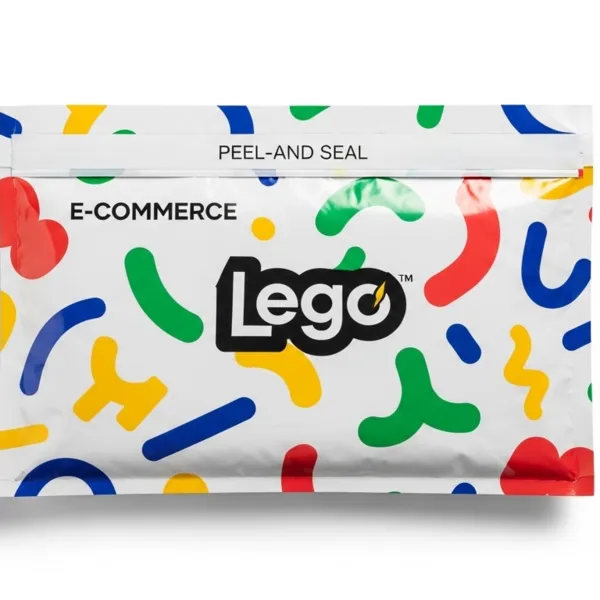
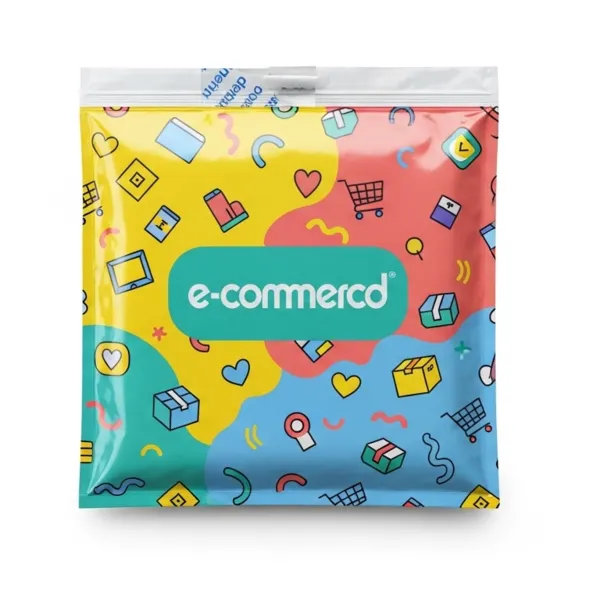
Paper mailers are typically easier to position around recyclable paper packaging, while poly mailers are plastic-based; Teal Packaging supports buyers comparing these choices with FSC-certified and recyclable options across its custom packaging range. Teal Packaging is a US-based packaging supplier of made-to-order, full-color custom printed packaging, including paper bags, pouches, mylar bags, mailer boxes, shipping boxes, folding cartons, and more. Most Teal products start at a 50-unit minimum and include free design help, free US shipping, and production about 7 business days after proof approval.
Questions or ready for a quote? Contact Teal Packaging at info@tealpackaging.com or (224) 546-8325.
Poly Mailers vs Paper Mailers from Teal Packaging: 50-unit standard MOQ (100+ units for specialty rigid boxes), 2-5 business day delivery in the US (express and economy options available), free design help included on every order, generic sample kit ($50, credited toward your first order). Standard production runs from about 7 business days after digital proof approval; complex or high-volume orders take longer.
Materials and certifications: FSC-certified paper stock, soy-based inks, kraft / corrugated / rigid paperboard / mylar / tin / vinyl substrates.
Updated September 1, 2026 · Teal Packaging operates a US facility in West Chicago, Illinois.
Poly Mailers vs Paper Mailers: Which Is Right for Your Business?
If you ship products regularly, you've probably weighed up poly mailers against paper mailers at some point. Both solve the same basic problem, getting products to customers safely, but they do it differently. This guide breaks down the real differences, so you can make the right call for your brand and your budget.
What's the Difference?
Poly mailers are lightweight plastic envelopes, typically made from low-density polyethylene (LDPE). They're waterproof, tear-resistant. And very cheap to produce. Paper mailers are made from kraft or recycled paper stock. They're biodegradable, increasingly popular with sustainability-focused brands.
And give a noticeably more premium unboxing feel.
Neither is universally better. The right choice depends on what you're shipping, who your customer is, and how much the packaging itself matters to your brand story.
Looking for the main range? See our custom mailer boxes page for sizes, board options, minimums and pricing.
Production Checklist
How to Plan Poly Mailers vs Paper Mailers
Use this page to brief Teal before quoting. The strongest custom poly mailers vs paper mailers requests include structure, size, artwork stage, material target, quantity, ship-to country, and any compliance or retail display needs.
1. Confirm structure and fit
Share the packed product size, preferred box style, insert needs, and whether the package ships directly or sits on a retail shelf. If you are unsure, Teal can suggest a mailer, folding carton, sleeve, rigid setup box, tray, or insert direction.
2. Choose board and finish
Match the material to weight, shipping risk, shelf life, and brand feel. Common choices include kraft, SBS, corrugated, rigid board, recycled paperboard, matte lamination, gloss lamination, foil, embossing, debossing, and spot UV.
3. Prepare artwork and proofing
Upload logos, dielines, color references, barcodes, warnings, ingredient panels, or compliance copy before proofing. Teal checks print placement, bleed, safe zones, panel orientation, and finishing details before production starts.
4. Lock quantity and timeline
Quote accuracy improves when you include target quantity, launch date, shipping destination, and rush requirements. Standard production can begin after proof approval, and sample kits help compare materials before a larger custom order.
For faster pricing, include photos of your current packaging, competitor references, retail display rules, shipping carton requirements, and any sustainability goals. Teal can quote the closest production-ready option first, then refine dielines, inserts, coatings, print coverage, and carton strength after your team reviews the proof.
Common Questions
Frequently Asked Questions
Answers about poly mailers vs paper mailers, materials, lead times, and ordering.
50 units minimum for either option, with free US shipping on all orders.
Yes, we can send samples of both options so you can see and feel the difference before committing to a full order.
The primary differences are in material weight, cost, durability, and environmental impact. Each has specific advantages depending on your product and shipping needs.
Both options are available in eco-friendly versions at Teal Packaging. We use FSC-certified paper options and soy-based inks for all our packaging products.
Pricing depends on size, quantity, and print specifications. Request a quote with your specific requirements for an accurate cost comparison.