

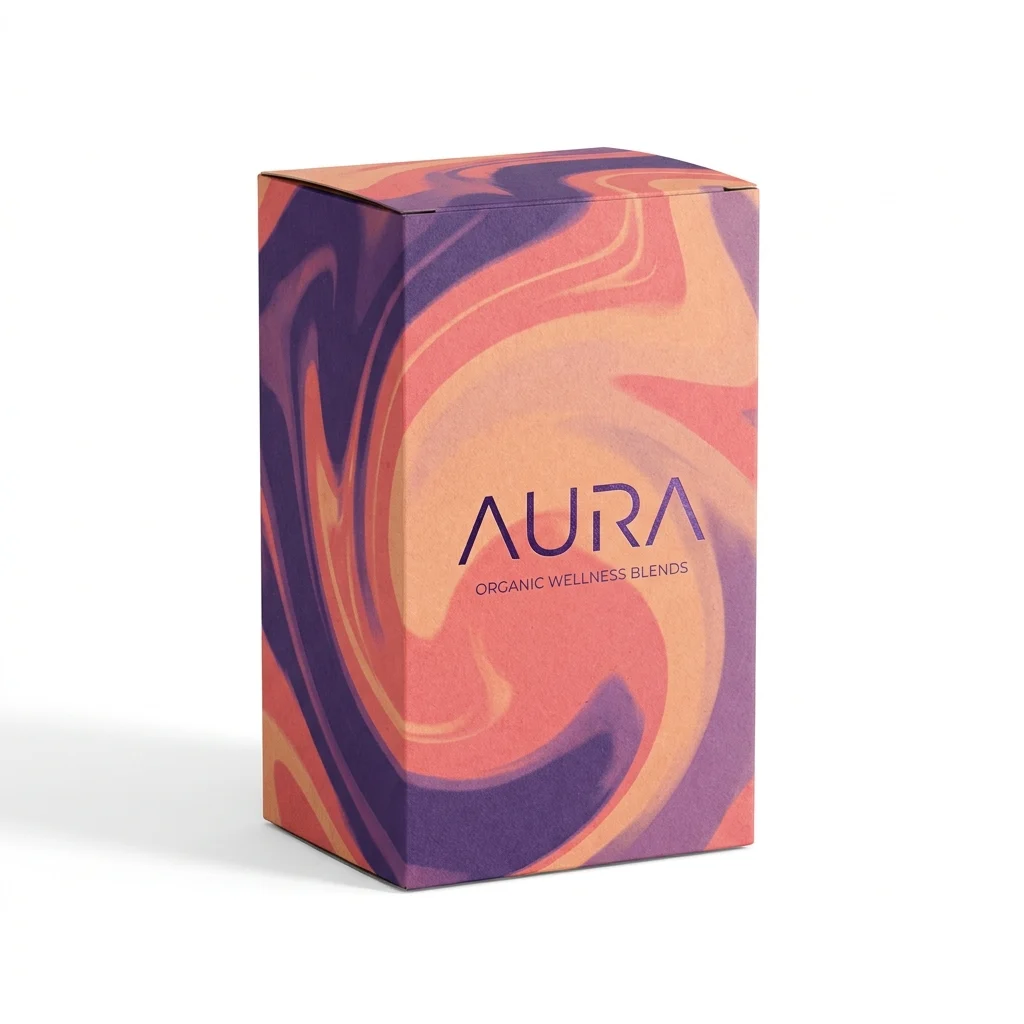
Teal Packaging is a US-based custom packaging supplier for recyclable packaging, made to order with full-color custom print. Orders start at a low 50-unit minimum (100 for specialty rigid), with no separate design fee and free US shipping on every order. Standard production runs from about 7 business days after proof approval (longer for complex or high-volume orders), with volume pricing from $0.44 per unit. FSC-certified and recyclable material options are available.
Questions or ready for a quote? Contact Teal Packaging at info@tealpackaging.com or (224) 546-8325.
Recyclable Packaging Guide from Teal Packaging: 50-unit standard MOQ (100+ units for specialty rigid boxes), 2-5 business day delivery in the US (express and economy options available), free design help included on every order, generic sample kit ($50, credited toward your first order). Standard production runs from about 7 business days after digital proof approval; complex or high-volume orders take longer.
Materials and certifications: FSC-certified paper stock, soy-based inks, kraft / corrugated / rigid paperboard / mylar / tin / vinyl substrates.
Contact Teal Packaging: Call (224) 546-8325, email info@tealpackaging.com, or request a free quote at tealpackaging.com/contact-us. We reply within one business day.
Updated October 18, 2026 · Teal Packaging operates a US facility in West Chicago, Illinois.
Complete Guide to Recyclable Packaging Solutions
Recyclable packaging represents one of the most impactful choices brands make in reducing environmental footprint while meeting consumer expectations for sustainability. As awareness grows about plastic pollution, landfill waste, and resource depletion, customers increasingly evaluate purchasing decisions based on packaging recyclability.
Brands that prioritize genuinely recyclable materials, minimize unnecessary components, and communicate disposal guidance clearly build loyalty with environmentally conscious consumers while contributing meaningfully to circular economy principles.
Understanding what makes packaging truly recyclable, which materials perform best in existing recycling infrastructure, and how to design for end-of-life processing separates authentic environmental leadership from superficial greenwashing.
At Teal Packaging, we work exclusively with recyclable materials sourced through manufacturing partners committed to environmental responsibility.
Our comprehensive approach includes FSC-certified paper products, soy-based inks, water-based coatings, and structural designs optimized for recycling stream integration.
With minimum order quantities of 50 units, turnaround times from about 7 business days, and free shipping, accessing genuinely recyclable packaging has never been more straightforward for brands of any size.
Understanding Recyclable Materials and Certification Standards
Truly recyclable packaging starts with materials accepted by existing municipal recycling programs and processing facilities. Paper-based packaging including:
- Kraft paperboard
- Coated paperboard
- Corrugated materials
These integrate seamlessly into established recycling streams throughout North America, Europe, and many international markets. These materials break down efficiently in pulping processes, yielding recycled fibers suitable for new paper products without requiring specialized facilities or preprocessing.
FSC certification provides third-party verification that paper materials originate from responsibly managed forests, recycled sources, or controlled wood. This internationally recognized standard ensures supply chain integrity from forest to finished product.
The FSC chain-of-custody certification tracks materials through manufacturing, confirming that certified content claims are accurate and verifiable. Brands communicating environmental commitments benefit from FSC certification's credibility and recognition among conscious consumers.
Material weight and composition affect recyclability significantly. Single-material constructions recycle more efficiently than multi-layer composites requiring separation. Paper packaging using water-based adhesives and coatings processes cleanly, while solvent-based alternatives or plastic laminations complicate recycling.
Our manufacturing partners engineer recyclable packaging using materials and construction techniques proven compatible with standard recycling infrastructure. Consider exploring kraft packaging for naturally recyclable aesthetic appeal.
Design Principles That Enhance Recyclability
Designing for recyclability extends beyond material selection to include structural choices, component integration, and consumer communication. Mono-material designs using single substrate types recycle most efficiently because they eliminate sorting requirements.
Paper-based packaging with paper-based handles, closures, and decorative elements processes seamlessly compared to mixed-material constructions requiring component removal before recycling.
Minimizing adhesive use and selecting water-based formulations improves recyclability. Mechanical closures including:
- Tuck locks
- Friction fits
- Interlocking tabs
These eliminate adhesives entirely while maintaining structural integrity. When adhesives are necessary, water-based options disperse during pulping without contaminating recycled fibers or damaging processing equipment.
Avoiding problematic additives preserves recyclability. Metallic foils, plastic windows, and certain coatings complicate recycling processes. While these elements add visual appeal, truly sustainable design balances aesthetics with end-of-life considerations.
Alternative approaches like soy-based metallic inks provide shimmer without foil, while strategically designed die-cuts create visual interest without plastic windows.
Our design support helps identify options that maintain visual impact while optimizing recyclability. Explore mailer solutions designed specifically for e-commerce recyclability.
Clear Disposal Guidance for Consumers
Even perfectly recyclable packaging fails environmental goals if consumers discard it incorrectly. Clear disposal instructions printed directly on packaging guide proper recycling behaviors. Simple iconography including:
- Recycling symbols
- Material identification codes
- Brief text instructions increase recycling compliance rates significantly
Explaining preparation steps like removing tape or flattening boxes helps consumers participate effectively in recycling systems.
Regional recycling program variations mean disposal guidance should match primary market locations. Some municipalities accept all paper products curbside, while others require specific preparation or drop-off locations.
Brands serving diverse markets benefit from general guidance applicable broadly rather than region-specific instructions that confuse consumers outside target areas.
Material Options for Different Product Categories
Recyclable packaging accommodates diverse product types through appropriate material selection and structural design. Lightweight products including:
- Apparel
- Cosmetics
- Small consumer goods work beautifully with kraft or coated paperboard in weights from 250gsm to 450gsm
These materials provide adequate protection while maintaining recyclability and visual appeal. Full-color printing capabilities ensure brand presentation doesn't suffer from sustainable material choices.
Moderately heavy products benefit from paperboard weights ranging from 450gsm to 600gsm, offering increased structural support while remaining available with recyclable options by specification. These materials suit skincare sets, candles, specialty foods, and similar products requiring more substantial packaging.
Rigid board constructions from 1200gsm to 2000gsm deliver premium presentation for luxury items while maintaining recyclability when engineered without problematic components. Consider cosmetic packaging optimized for beauty product protection and recyclability.
E-commerce shipping applications require corrugated materials providing excellent protection during transit while remaining completely recyclable. Corrugated board in various flute configurations balances cushioning performance, weight considerations, and material efficiency.
Modern printing technologies produce professional graphics on corrugated surfaces, eliminating visual compromises when prioritizing sustainability. Products requiring substantial protection including:
Electronics, glassware, and fragile items find corrugated packaging meets both functional and environmental requirements.
Sustainable Inks and Coatings for Recyclable Systems
Printing and finishing choices significantly impact packaging recyclability. Soy-based inks derived from renewable agricultural sources replace petroleum-based alternatives while delivering identical color vibrancy, detail reproduction, and durability.
These plant-based inks de-ink efficiently during recycling processes, producing cleaner recycled pulp suitable for high-quality paper products. Soy inks also biodegrade more readily if packaging enters composting systems rather than recycling streams.
Water-based coatings provide protection and visual enhancement without compromising recyclability. Unlike plastic-based laminations that contaminate paper recycling streams. Water-based coatings disperse during pulping processes. These coatings offer moisture resistance, scuff protection, and finish options including matte and gloss aesthetics.
Performance characteristics match traditional coatings while supporting environmental goals.
Avoiding metallized films, plastic laminations, and certain specialty finishes maintains recyclability. While these elements create premium appearances, alternative approaches deliver visual impact without environmental compromise.
Textured papers, creative die-cutting, embossing, and thoughtful color strategies provide sophisticated aesthetics using recyclable materials and processes.
Our design team specializes in creating distinctive packaging that prioritizes both visual appeal and environmental responsibility. Discover food packaging solutions balancing safety requirements with recyclability.
Implementing Recyclable Packaging in Your Operations
Transitioning to recyclable packaging involves evaluating current materials, identifying sustainable alternatives, and communicating changes effectively to customers. Begin by auditing existing packaging components, noting materials, adhesives, coatings, and decorative elements.
Identify problematic elements that complicate recyclability, prioritizing changes that deliver maximum environmental benefit.
Work with our design support team to develop recyclable alternatives that maintain functional performance and brand presentation. Digital mockups allow evaluation before production, ensuring sustainable packaging meets all requirements.
Consider phased implementation starting with highest-volume products or new product launches where packaging transitions feel natural rather than reactive.
Communicate sustainability improvements transparently. Customers appreciate genuine environmental efforts and respond positively to brands demonstrating authentic commitment. On-package messaging explaining recyclability, FSC certification, and sustainable material choices educates consumers while differentiating your brand.
Social media, website content, and marketing materials amplify sustainability messaging beyond packaging itself. Explore retail solutions bringing recyclability to brick-and-mortar presentations.
Production and Ordering for Sustainable Packaging
Accessing recyclable packaging follows our streamlined ordering process designed for efficiency and collaboration. Submit existing packaging specifications or new design concepts through our website contact form or direct email.
Our team evaluates designs for recyclability, suggesting improvements that enhance environmental performance without compromising functionality or aesthetics.
We develop digital mockups showing recyclable packaging options with your branding, chosen materials, and structural features. This visualization stage allows refinement and approval before production begins.
Once designs receive approval, manufacturing commences with our environmentally responsible partners, with typical turnaround times of about 7 business days from approval, plus 2 to 5 business days for US delivery.
Minimum order quantities of 50 units make recyclable packaging accessible for small brands, product launches, and testing sustainable alternatives before full-scale transitions. This low threshold eliminates barriers traditionally preventing small businesses from accessing custom sustainable packaging.
Free shipping supports international brands committed to environmental responsibility regardless of location. Consider subscription packaging for ongoing sustainable touchpoints with customers.
Frequently Asked Questions About Recyclable Packaging
How can I verify my packaging is actually recyclable?
Verify recyclability by confirming materials are accepted in municipal recycling programs where products are sold. Paper-based packaging without plastic laminations, foil layers, or excessive adhesive generally qualifies. FSC certification provides additional verification of responsible sourcing.
Our team provides material composition details and disposal guidance for all packaging options. For definitive confirmation, contact recycling coordinators in primary markets to verify specific materials and constructions are processed successfully.
Does recyclable packaging cost more than conventional options?
Recyclable paper-based packaging often costs comparably to conventional alternatives, especially when avoiding expensive plastic components or complex multi-material constructions. Some premium sustainable options like:
Heavy rigid board may cost slightly more than economy alternatives, but price differences are typically minimal. Brands find that environmental benefits, positive customer perception, and regulatory compliance offset any marginal cost increases.
Our team helps identify recyclable options meeting budget parameters without compromising sustainability goals.
Can recyclable packaging still look premium and high-end?
Absolutely. Recyclable materials support sophisticated design, premium finishes, and luxury presentations when engineered thoughtfully. Heavy paperboard, elegant structural designs, high-quality printing, embossing, and creative use of natural aesthetics create premium packaging without environmental compromise.
Many luxury brands find that sustainability enhances rather than detracts from premium positioning, resonating with affluent consumers who value environmental responsibility.
Our design portfolio demonstrates how recyclable packaging achieves sophisticated aesthetics across all market segments.
What should I tell customers about disposing of packaging?
Provide clear, actionable disposal instructions printed directly on packaging. Simple guidance like "Recycle with paper products" or "Flatten and place in curbside recycling" helps consumers dispose correctly. Include recycling symbols and material identification when applicable.
Avoid overly complex instructions that discourage recycling participation.
Our design team helps develop consumer-friendly disposal messaging that increases recycling compliance while educating customers about your environmental commitment.
How does FSC certification benefit my brand?
FSC certification provides credible third-party verification of environmental claims, building consumer trust and differentiating your brand from competitors making unsubstantiated sustainability assertions.
The recognizable FSC logo communicates responsible sourcing instantly, appealing to environmentally conscious consumers who prioritize certified products. Certification also satisfies corporate sustainability requirements for brands selling through major retailers or working with environmentally focused partners.
FSC certification represents authentic environmental leadership rather than superficial greenwashing.