

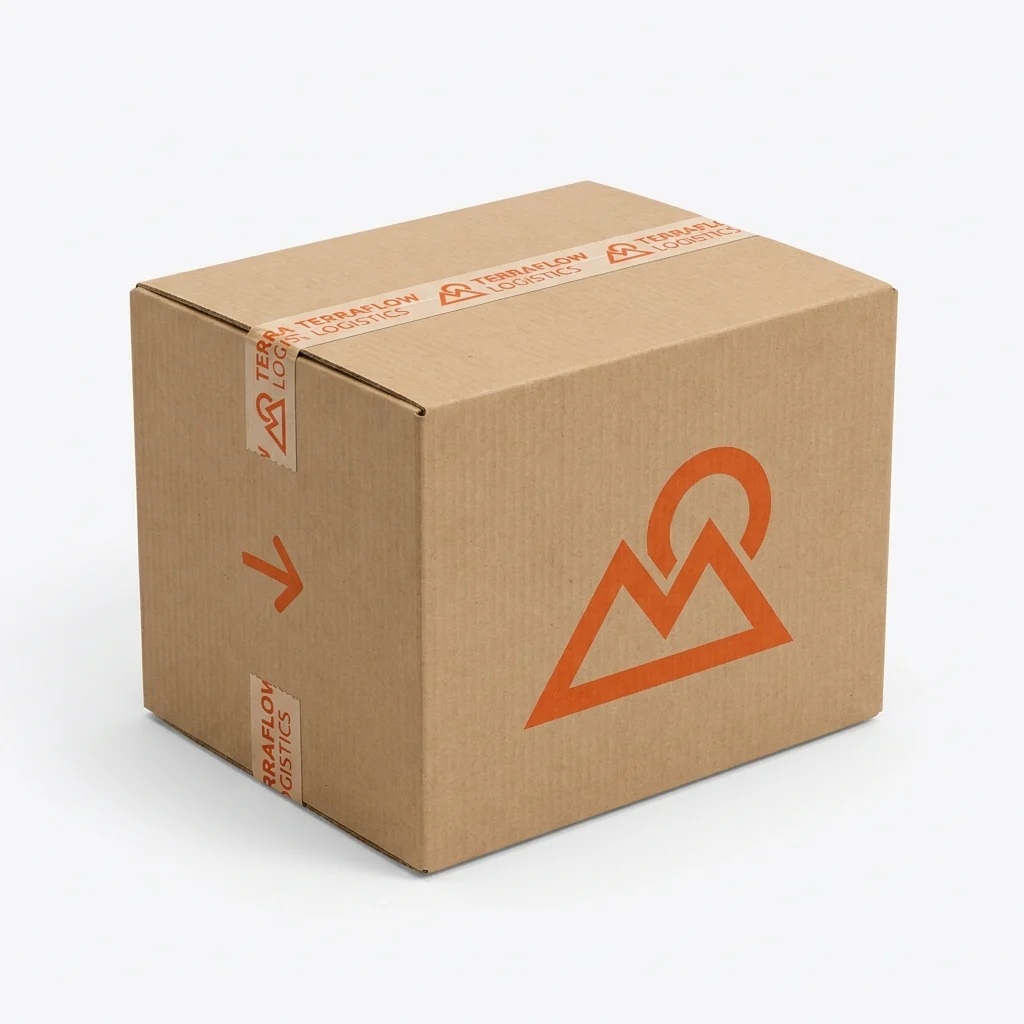
Teal Packaging is a US-based custom packaging supplier for RSC shipping boxes, made to order with full-color custom print. Most products start at a 50-unit minimum (100 for specialty rigid boxes), with free design help and free US shipping included on every order. Standard production runs from about 7 business days after proof approval (longer for complex or high-volume orders), with volume pricing from $0.44 per unit. FSC-certified and recyclable material options are available.
Questions or ready for a quote? Contact Teal Packaging at info@tealpackaging.com or (224) 546-8325.
RSC Shipping Boxes from Teal Packaging: 50-unit standard MOQ (100+ units for specialty rigid boxes), 2-5 business day delivery in the US (express and economy options available), free design help included on every order, generic sample kit ($50, credited toward your first order). Standard production runs from about 7 business days after digital proof approval; complex or high-volume orders take longer.
Materials and certifications: FSC-certified paper stock, soy-based inks, kraft / corrugated / rigid paperboard / mylar / tin / vinyl substrates.
Contact Teal Packaging: Call (224) 546-8325, email info@tealpackaging.com, or request a free quote at tealpackaging.com/contact-us. We reply within one business day.
Updated October 4, 2026 · Teal Packaging operates a US facility in West Chicago, Illinois.
Custom RSC Shipping Boxes for E-Commerce and Distribution
Regular Slotted Container (RSC) boxes are the workhorse of shipping and logistics. The design features four flaps on both top and bottom, meeting at the center when closed. This proven construction delivers reliable protection, stackability, and cost efficiency for products ranging from electronics to apparel to household goods.
RSC Construction and Specifications
RSC boxes are manufactured from corrugated fiberboard, which consists of a fluted middle layer sandwiched between flat linerboard sheets. The flutes provide cushioning and compression strength, while linerboards offer puncture resistance and printing surfaces.
Flute profiles determine box strength and thickness. E-flute (1/16 inch) offers thin profile for small, lightweight items with excellent printability. B-flute (1/8 inch) balances cushioning and stacking strength for general shipping. C-flute (3/16 inch) provides maximum compression strength for heavy products or high stacking. BC double-wall combines B and C flutes for extreme durability.
Edge Crush Test (ECT) ratings measure stacking strength. Common ratings include 32 ECT for up to 65 pounds, 44 ECT for 80-95 pounds, and 48 ECT for 100+ pounds. Burst strength ratings indicate puncture resistance, with 200# suitable for most applications.
Material and Color Options
Kraft RSC boxes feature natural brown linerboard made from recycled content. The rustic appearance communicates eco-consciousness and works well with minimalist branding. Kraft surfaces accept flexographic printing in 1-3 colors effectively.
White RSC boxes use bleached linerboard for clean, professional appearance. The white surface enables vibrant full-color printing and makes printed graphics pop. Ideal for retail-ready packaging or premium brand presentation.
Recycled content varies from 50% to 100% post-consumer waste, depending on material specifications and supplier. Higher recycled content may slightly reduce strength but significantly improves environmental footprint.
Printing and Branding
Flexographic printing applies ink directly onto corrugated surfaces in 1-4 spot colors. The process accommodates logos, text, handling instructions, and simple graphics. Color accuracy is good but not photographic quality due to the textured surface.
Digital printing enables full-color designs, photographic images, and variable data printing for personalized boxes. The process works best on white linerboard with smooth finishes. It is economical for smaller runs.
Print areas typically cover one or two panels. Common configurations include logo and brand name on top flap, with product information and barcodes on side panels. Keep critical information away from flap seams and score lines.
Custom Sizing and Die Cutting
Standard sizes follow industry dimensions to optimize material use and reduce costs. Custom sizes accommodate specific product dimensions and are cut to your dieline at no extra charge; per-unit pricing is quoted per project.
Size boxes with 1-2 inches of clearance on all sides to allow for cushioning materials. Account for product variations and packing tolerances. Oversized boxes increase dimensional weight shipping charges and require excess fill material.
Die cutting adds handles, ventilation holes, or window cutouts. Die-cut handles enable hand-carrying heavy boxes without additional strapping. Ventilation holes prevent moisture buildup for agricultural products or fresh goods. Windows showcase products while maintaining structural integrity.
Pricing Structure
Pricing is quoted per project, from $0.44 per unit at volume; send your quantity and spec for exact numbers.
Minimum order quantity is 50 units. Standard production time is from about 7 business days (longer for complex or high-volume orders) after artwork approval. Pricing includes one-color flexographic printing on one panel. Additional colors, panels, and digital printing quoted separately.
Applications Across Industries
E-commerce fulfillment centers use RSC boxes for order shipping across all product categories. The standardized design integrates with automated packing systems and conveyor equipment. Consistent sizing simplifies inventory management and packing station setup.
Manufacturers ship products to distributors and retailers in RSC boxes. The stackable design maximizes pallet efficiency and warehouse space use. Printed boxes reinforce branding during transit and at receiving docks.
Subscription box services use custom-printed RSC boxes for monthly deliveries. The durable construction protects contents during shipping while creating branded touchpoints. Seasonal designs or limited editions build anticipation and collectibility.
Moving and storage companies provide RSC boxes for household goods, office equipment, and commercial relocations. The proven strength handles books, kitchenware, and fragile items with appropriate cushioning. Standard sizes stack efficiently in trucks and storage units.
Shipping and Logistics
RSC boxes ship flat, reducing freight costs and storage space substantially compared to pre-assembled boxes. Warehouse staff assemble boxes in seconds by folding flaps and applying tape. Most operations use 2-inch wide packing tape along seams and flaps.
The four-flap closure distributes weight evenly when sealed properly. Apply tape along the center seam where flaps meet, extending a few inches onto the side panels. For heavy loads, use H-taping pattern covering the center seam and both edges.
Stack boxes on pallets with heaviest items on bottom and lighter items on top. Do not exceed ECT-rated stacking weights to prevent crushing. Use edge protectors and stretch wrap to secure pallet loads during freight transit.
Sustainability Considerations
Corrugated boxes are recycled at rates exceeding 90% in North America, making them one of the most recycled packaging materials. Empty boxes break down flat for efficient recycling collection. The material biodegrades naturally if composted.
Specify high recycled content when requesting quotes. Many suppliers offer 100% recycled linerboard with minimal strength reduction. FSC-certified virgin fiber options support responsible forest management for applications requiring maximum strength.
Right-size boxes to minimize material waste and reduce dimensional weight shipping charges. Smaller boxes use less material, cost less to ship, and require less void fill. Analyze order data to identify optimal stock sizes.
Quality Testing and Standards
ISTA (International Safe Transit Association) testing simulates shipping conditions including drops, vibration, and compression. Testing verifies that boxes protect contents through typical distribution cycles. Certification documents support shipping claims and quality requirements.
Sample boxes from each production run for dimension verification and print quality inspection. Measure internal dimensions to confirm product fit. Check print registration, color matching, and barcode scannability before approving shipments.
Ordering Process
Start with our online quote form, providing box dimensions (length x width x height), quantity, ECT rating, and printing requirements. Include product weight and shipping conditions to inform material recommendations.
After quote approval, submit artwork in vector format with bleed areas and safe zones marked. We provide flat die line templates showing panel layout and flap configuration. Digital proofs confirm print placement before production begins.
Physical samples are available per design and quoted per project, shipped within 5-7 business days. Explore custom mailer boxes and custom shipping labels to complete your fulfillment packaging lineup.