


Quick Answer: Window boxes use a die-cut opening that may hold transparent film or remain open, depending on the approved construction. The opening, panel map, closure, and product fit are set in the dieline. Teal Packaging has production facilities in West Chicago, Illinois and Guangzhou. Standard MOQ is 50 units, with free dieline design and digital proof review.
Questions or ready for a quote? Contact Teal Packaging at info@tealpackaging.com or (224) 546-8325.
Custom Window Boxes for Product Packaging from Teal Packaging: 50-unit standard MOQ (100+ units for specialty rigid boxes), 2-5 business day delivery in the US (express and economy options available), free design help included on every order, generic sample kit ($50, credited toward your first order). Standard production runs from about 7 business days after digital proof approval; complex or high-volume orders take longer.
Materials and certifications: FSC-certified paper stock, soy-based inks, kraft / corrugated / rigid paperboard / mylar / tin / vinyl substrates.
Contact Teal Packaging: Call (224) 546-8325, email info@tealpackaging.com, or request a free quote at tealpackaging.com/contact-us. We reply within one business day.
Updated August 23, 2026 · Teal Packaging operates a US facility in West Chicago, Illinois.
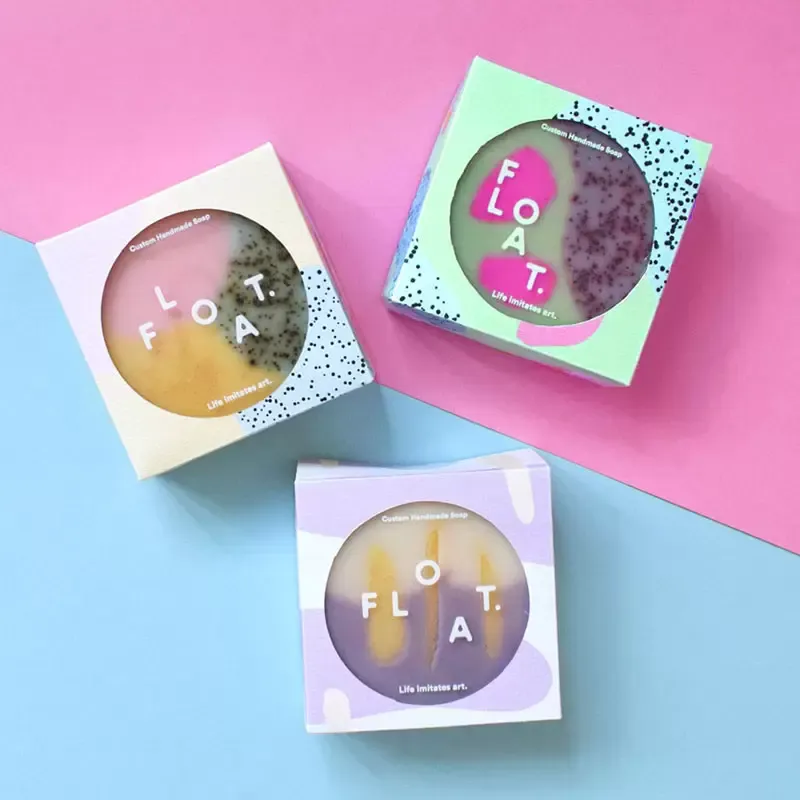
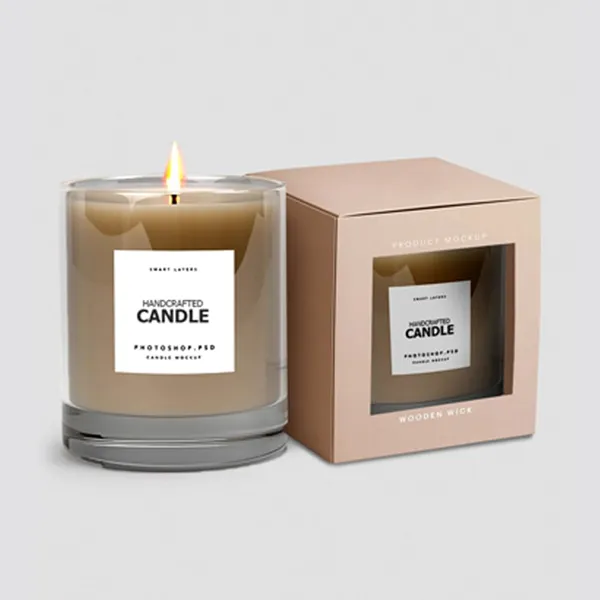
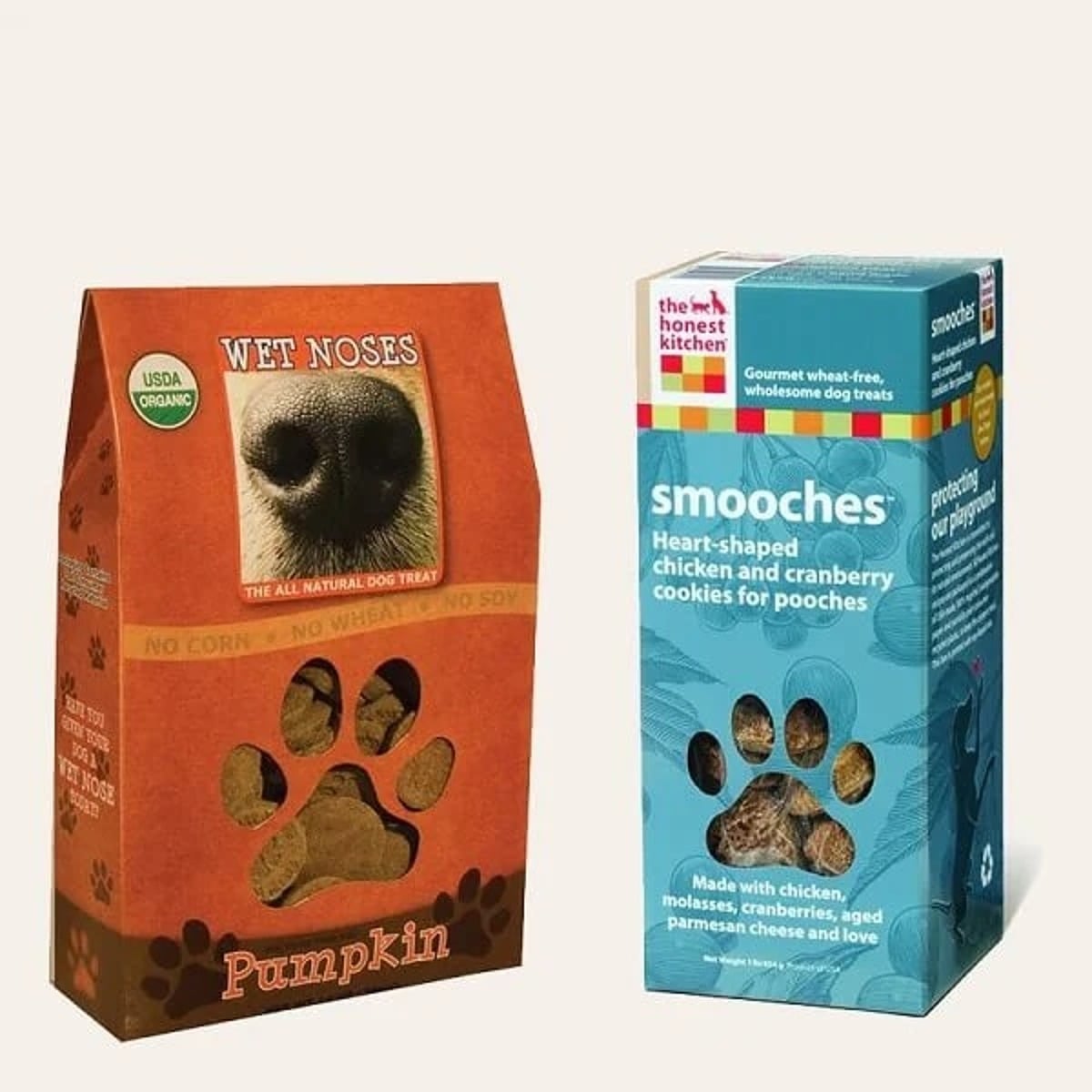
Window boxes use a die-cut opening in one or more panels so the product can be viewed through the package. The opening may hold transparent film or remain open, depending on the approved construction and product requirements. Teal Packaging quotes window boxes from the product fit, panel plan, opening location, closure, material, artwork, print coverage, quantity, and assembly method. Custom dimensions and board weight follow structural review.
A box with a window is not one fixed construction. The opening can change the front panel, fold clearance, print map, seam position, and assembly sequence. State which product area should be visible, whether transparent film is requested, and how the package will be loaded. The free dieline and free digital proof provide a place to review those decisions.
Panels and die-cut opening
The box can include front, back, side, top, bottom, and joining panels connected by score lines. The window opening is placed in an approved panel and sized around the intended view. If transparent film is requested, the film area and joining method are part of the specification. If the opening remains open, the product fit and packing sequence need their own review.
- Front panel carries the visible product area and primary package copy.
- Side and rear panels carry supporting copy or instructions when assigned in artwork.
- Top and bottom panels define the closure and loading sequence.
- Window cut area shows the required shape and panel clearance.
- Transparent film is included only when requested and approved in the construction.
Window placement should be discussed with the product shape, interior space, and artwork orientation. Teal can review custom dimensions, board weight, and fit through structural review. A generic window position should not be reused when the product or opening direction changes.
Closure and assembly
The closure can use tuck flaps, folding panels, or another approved carton construction. The window opening must remain clear of score lines, joining areas, closure flaps, and product loading points. Assembly notes should state which panels fold first, where the seam sits, whether transparent film is attached before folding, and how the product is loaded.
The structural review checks the cut area, film request or open edge, closure, fold order, and product fit together. The digital proof checks panel artwork and visible copy. Teal does not assume an open window, transparent film, insert, or delivery condition that is absent from the quote.
Materials and print by run size
Material selection follows the approved window construction and product requirements. Possible directions include paperboard, kraft, corrugated board, or rigid board when the specification supports that choice. The production manager reviews board direction, panel structure, die-cut placement, print coverage, and assembly before routing. Custom board weight follows structural review rather than a fixed grade.
Run size changes how material and print options are compared. A smaller run can focus on one window shape, one print map, and a clear review of the proof. A larger run can compare shared artwork, multiple window variants, and material choices across the quantity. Quantity alone does not set the substrate, print method, or finish. The supplied artwork and approved quote control those decisions.
- Mark the visible product area and the window boundary in the artwork.
- Identify whether transparent film is requested or the opening remains open.
- Show closure copy, seam clearance, interior copy, and fold lines separately.
- State the product orientation and loading sequence for structural review.
- Provide the material direction and board weight request without assuming a grade.
Window box specifications
| Construction; Folding carton with connected panels, score lines, joining areas, and a die-cut opening by specification. |
|---|
| Window; Opening may hold transparent film or remain open. Film choice, placement, and joining method require approval. |
| Closure; Tuck, flap, or another approved closure that remains clear of the opening and loading sequence. |
| Materials; Paperboard, kraft, corrugated board, rigid board, or another sourced option confirmed by specification. |
| Print; Visible front, supporting panels, closure copy, color coverage, and requested finish locations mapped in proof. |
| Order support; Standard MOQ is 50 units, with free dieline design, free digital proof, and free US shipping. |
Choosing a related box style
Choose tuck boxes when the package needs a folding carton with tuck flaps but does not need a die-cut viewing opening. Choose window boxes when the product view is part of the package brief. The sibling choice depends on the product fit, opening location, closure, print map, and assembly sequence. If the opening is for product access rather than display, compare dispenser boxes.
A window can be added to some carton structures, but the cut area changes the dieline and should not be treated as a cosmetic edit. Compare the opening, film request, panel coverage, and loading method with the base construction before approving the proof.
Route and assembly scope
The production manager routes each job by specification. The quote confirms the facility route, board choice, print map, requested delivery condition, and assembly scope. Buyers should describe how the package will be opened, formed, loaded, and closed so the approved dieline matches the intended packing sequence.
Eligible in-house work may run in about 7 business days; specialty imported work may take about 12 weeks; these are planning ranges, not guarantees. Rush production carries a 7-25% premium depending on the job. Teal offers free US shipping, a free dieline, and a free digital proof. Confirm the schedule and delivery scope in the quote.
Product contact details
Window treatment is a packaging construction detail. State product contact requirements, transparent film requests, and any interior specification in the quote for review. The approved job specification controls the materials and use instructions for the package.
Quote brief and proof review
- Product name, product fit, quantity, destination, and requested arrival range.
- Window location, shape, visible product area, and film or open-window request.
- Closure direction, fold order, seam position, and assembly method.
- Artwork for every panel, cut clearance, interior copy, and finish locations.
- Material direction, board weight request, and any repeat-order requirement.
Review the free digital proof as an artwork and assembly document. Check the window boundary, film or open edge, fold lines, seam, closure, visible product area, copy orientation, and product fit. Once the specification is complete, Teal can prepare the quote and route the window box according to the approved construction.