
Key Takeaway
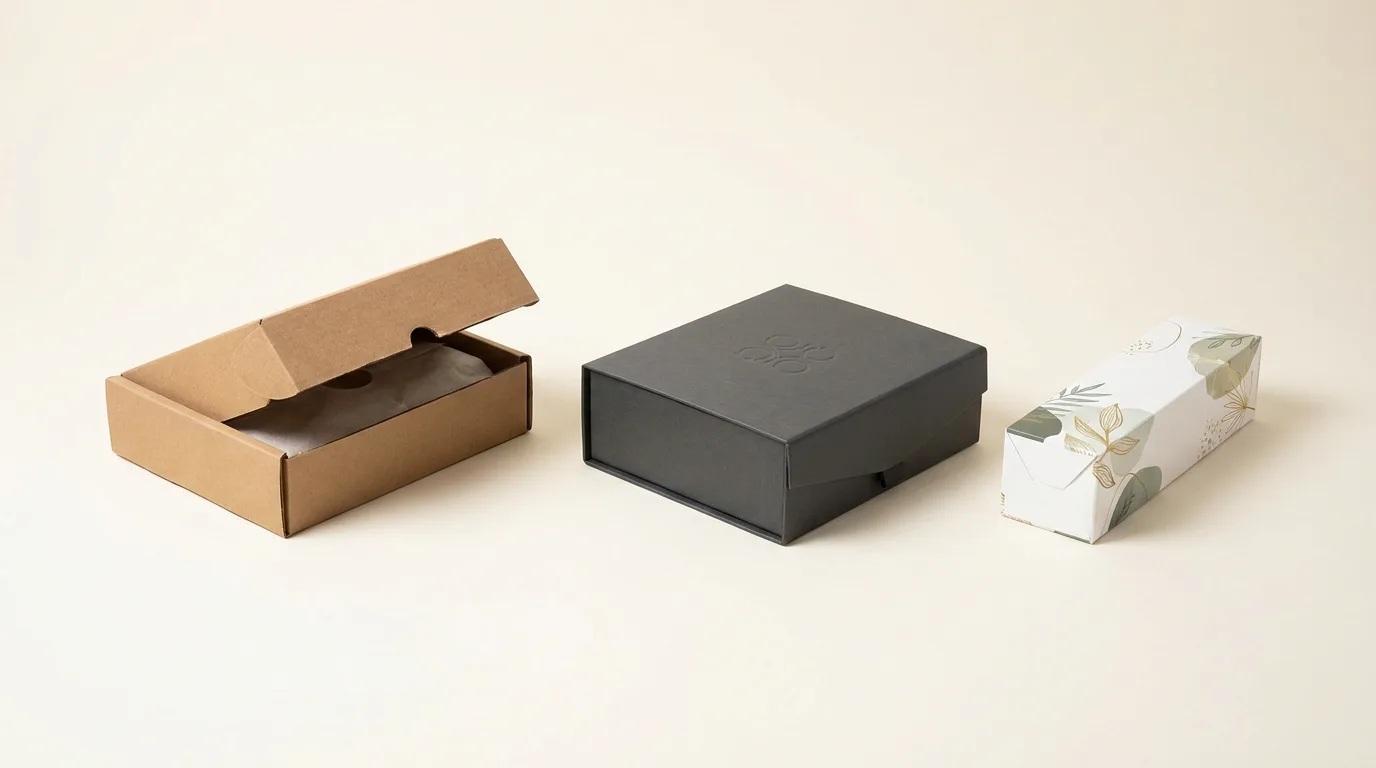
Pick a mailer box for direct-to-customer shipping, a rigid box when presentation justifies 1.5 to 2.5mm chipboard, and a folding carton for light retail goods sold on shelves. The decision keys are transit exposure, perceived-value target and unit economics. Teal Packaging is a US manufacturer producing all three with free dieline design and a digital proof on every order. Runs start at 50 units, specialty rigid at 100, with volume pricing from about $0.44 per unit at scale. Suits brands locking their primary format.
Questions or ready for a quote? Contact Teal Packaging at info@tealpackaging.com or (224) 546-8325.
The short answer
Pick a mailer box if you ship products direct to customers and want sturdy, brandable packaging that travels well. Choose a rigid box when the product is premium and the unboxing needs to feel like an event. Go with a folding carton for lightweight retail items that sit on a shelf, where print quality and low cost per unit matter most.
Those three formats cover most custom packaging decisions, but the lines blur once you factor in weight, budget, and where the box actually gets seen. A skincare brand shipping subscription boxes has different needs than one selling the same serum in a boutique. The material, the wall thickness, and even whether the box ships flat all change your cost and your customer's first impression.
The comparison below breaks down how each type performs across the factors buyers actually weigh: protection in transit, shelf presence, the feel of opening it, and what it does to your per-unit price. Read the table first for a quick scan, then jump to the section for whichever format looks like your fit. All three can be printed full color and cut to a custom size, so the real decision is about structure and context, not just looks.
| Factor | Mailer Box | Rigid Box | Folding Carton |
|---|---|---|---|
| Best for | Ecommerce and direct-to-customer shipping | Premium products and gift-worthy unboxing | Retail shelf and lightweight consumer goods |
| Structure and material | Corrugated E or B-flute, self-locking walls | Thick chipboard wrapped in printed paper | Single-layer paperboard, glued or tuck-end |
| Durability | High, built to survive carriers | High for structure, less for rough transit alone | Light, protects contents on a shelf |
| Unboxing feel | Solid and branded, everyday premium | Luxury, weighty, memorable | Clean and retail-ready |
| Typical use | Apparel, subscription, cosmetics shipments | Electronics, jewelry, luxury goods | Cosmetics, supplements, food, small hardware |
| Cost profile (relative) | Moderate | Highest per unit | Lowest per unit |
| Ships flat? | Yes | Usually no, ships pre-formed | Yes |
Mailer Boxes
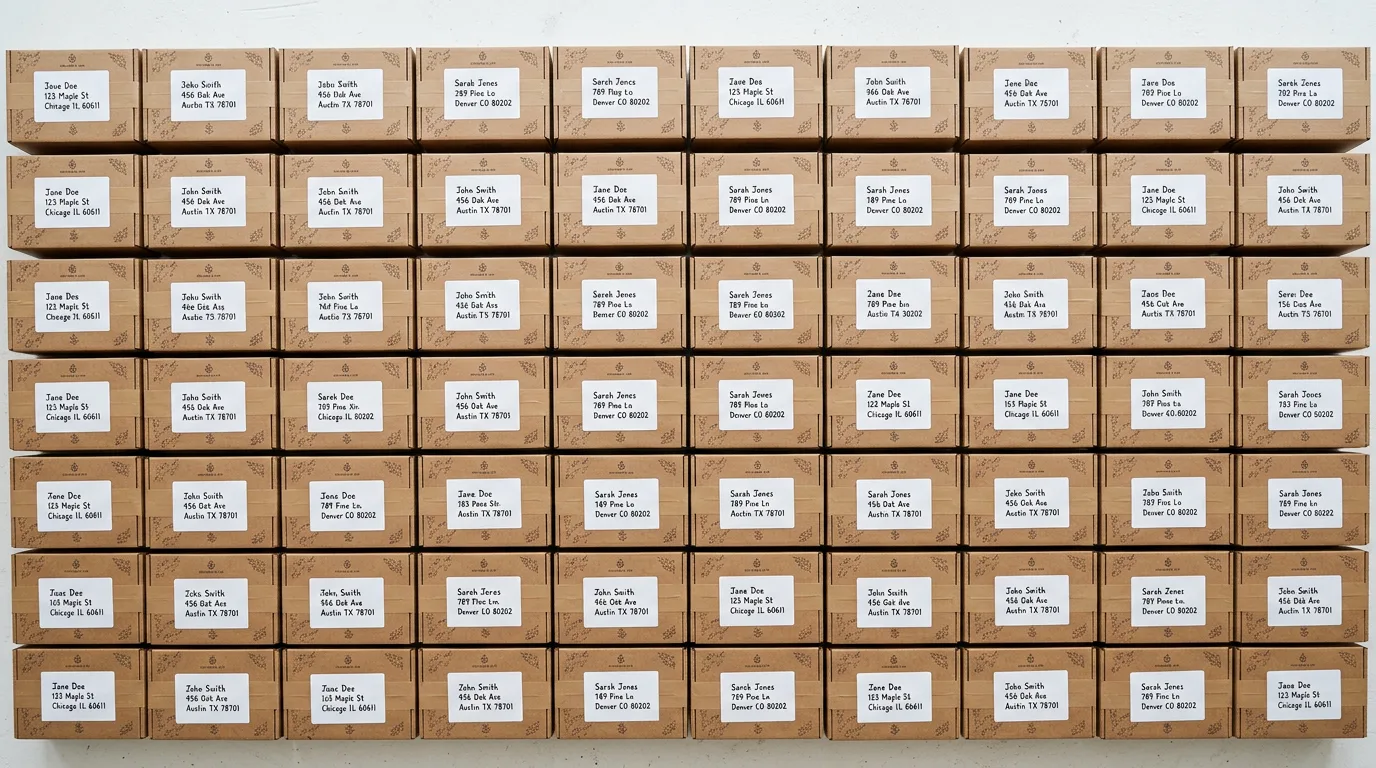
A custom mailer box is a one-piece corrugated box with folding wings that lock closed, no tape required. It's the workhorse of ecommerce because it protects contents through the shipping network while giving you full-color exterior and interior print for a branded reveal. Corrugated E-flute keeps it slim and print-friendly, while B-flute adds crush resistance for heavier items.
Ideal products: apparel, subscription boxes, cosmetics, small electronics, and anything shipped straight to a customer's door.
- Pros: durable in transit, ships and stores flat, strong branding surface inside and out, no void-fill headaches for a snug fit.
- Cons: corrugated texture is less refined than a rigid wrap, and very heavy products may need a heavier flute or extra protection.
Rigid Boxes
A rigid box (also called a setup box) uses thick chipboard, typically 1.5 to 2.5mm, wrapped in printed paper. It doesn't fold flat. It arrives pre-formed and holds its shape under pressure, which is why it reads as premium the moment someone picks it up. Magnetic closures, ribbon pulls, and foam or molded inserts all live comfortably in this format.
Ideal products: jewelry, high-end electronics, watches, luxury cosmetics, and gift or limited-edition items where the box is part of the product.
- Pros: the most premium feel, excellent structural protection, supports inserts and special finishes, strong perceived value.
- Cons: highest cost per unit, ships pre-formed so it takes more space and freight, and often carries a higher minimum for specialty builds.
Folding Cartons
A folding carton is a lightweight box cut and creased from a single layer of paperboard, then folded and glued or tucked closed. Think of the box your toothpaste, supplements, or a cosmetic tube comes in. White SBS board around 14 to 18pt gives a smooth, high-resolution print surface, which is why cartons dominate retail shelves.
Ideal products: supplements, cosmetics, packaged food, small consumer electronics accessories, and any lightweight item sold at retail.
- Pros: lowest cost per unit at volume, crisp full-color print, ships flat for efficient storage, fast to assemble on a line.
- Cons: light protection compared to corrugated, not built for solo shipping without an outer mailer, and less suited to heavy contents.
How to choose
Start with weight. If the product is heavy or fragile, lean corrugated (mailer) or rigid for real structural support. Light items can sit happily in a folding carton.
Next, ask shelf or ship. Something that has to survive a carrier on its own points to a mailer box. Something sold in a store, protected by the store environment, points to a folding carton. If it does both, a carton inside a mailer is a common combination.
Then weigh budget against brand tier. Folding cartons give you the lowest per-unit cost and beautiful print, mailers sit in the middle with shipping durability, and rigid boxes cost the most but deliver the luxury feel that justifies a premium price point. Match the box to how the product is positioned, not just to what's cheapest.
FAQ
Which box type is cheapest?
Folding cartons are usually the lowest cost per unit because they use a single layer of paperboard and ship flat. Mailer boxes sit in the middle, and rigid boxes are the most expensive per unit due to thicker board and pre-formed construction. Every job is quoted to spec, with bulk pricing from $0.44 per unit on larger runs.
Which is best for ecommerce shipping?
Mailer boxes are the strongest fit for shipping direct to customers. The corrugated walls handle the carrier network, the self-locking design needs no tape, and the interior print gives you a branded unboxing moment. For heavier products, a B-flute mailer adds extra crush resistance.
Can I get a custom size?
Yes. All three formats can be built to your exact dimensions with full-color printing, and Teal includes free dieline design plus two revision rounds so the box fits your product precisely. Standard custom projects start from 50 units, with specialty rigid boxes from 100+ units.
What's the minimum order?
Standard custom mailer boxes and folding cartons start at 50 units. Specialty rigid boxes start from 100+ units. If you want to check materials and print quality first, a generic sample kit costs $50, credited toward your first custom order.
Are these boxes recyclable?
Paperboard and corrugated are widely recyclable, and Teal offers FSC-certified paper and recyclable options by specification, printed with soy and water-based inks. Rigid boxes use more material per unit, so recyclability depends on the finishes chosen. Tell us your sustainability goals and we'll spec the box to match.
Get the right box for your product
If you're still weighing mailer, rigid, or folding carton, the fastest way to decide is to see your product in the actual material. Order the $50 sample kit (credited to your first order), or send us your specs and we'll recommend a format. Every custom order includes free dieline design, free US shipping, full-color printing, and two revision rounds. Production runs from about 7 business days after proof approval, plus 2 to 5 business days for US delivery, with express and economy options. Request a quote and we'll spec the right box for your product. Call (224) 546-8325 or email info@tealpackaging.com.

Ben Russell
Ben is a Senior Packaging Strategist and writer at Teal Packaging, covering packaging materials, design strategy, and practical branding insights.