
Key Takeaway
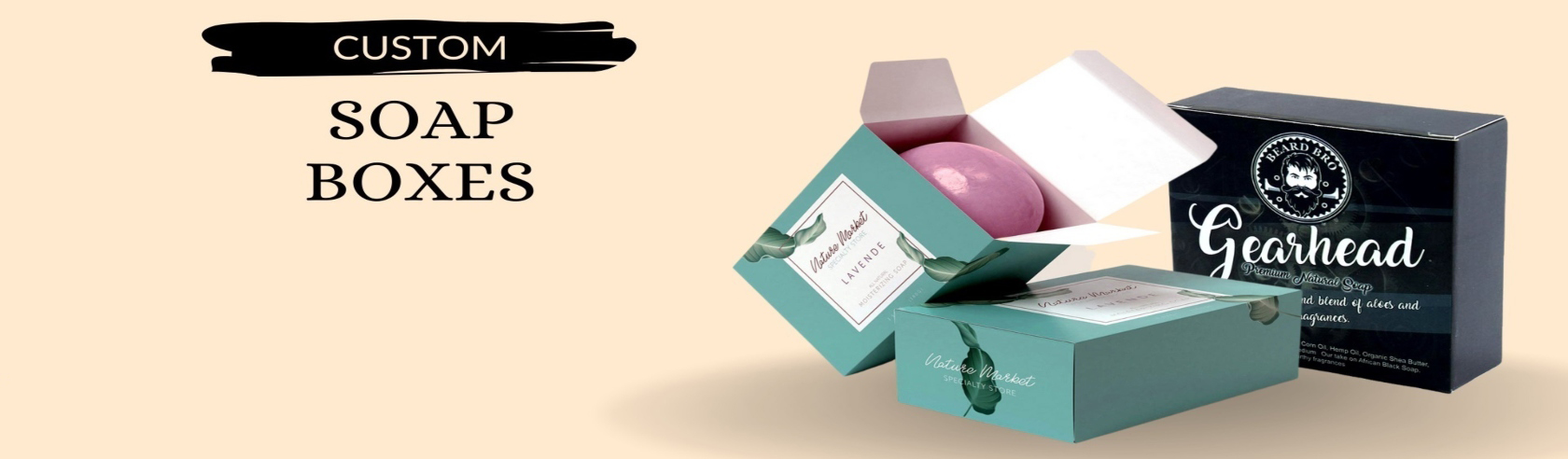
A premium soap box separates itself with material and finish: heavier 16 to 18pt board, soft-touch lamination, foil accents and a die-cut window that lets the bar scent the shelf. Teal Packaging is a US manufacturer producing premium soap boxes with those finishes, plus FSC-certified stock by specification. Free dieline design and 2 revision rounds come with every order, with volume pricing from about $0.44 per unit at scale. Suits artisan and boutique soap brands competing on shelf against mass-market bars.
Questions or ready for a quote? Contact Teal Packaging at info@tealpackaging.com or (224) 546-8325.
A premium soap carton starts with three numbers: the bar dimensions after cure, 0.1 in of clearance in each direction, and a caliper of 18pt to 20pt SBS or natural kraft. A 4.5 oz bar measuring 2.5 x 3.5 x 1.1 in wants a carton with roughly 2.65 x 3.65 x 1.2 in inside. Finish decides the rest.
Measure the bar after it cures, not before
Cold process bars shrink as water leaves them, sometimes by a noticeable fraction over four to six weeks. Cutting a die against a fresh bar produces a carton that rattles two months later. Measure a cured bar, take the largest of a batch rather than an average, and build from that.
| Bar | Cured bar size | Carton inside size | Suggested style |
|---|---|---|---|
| 3.5 oz rectangle | 2.25 x 3.25 x 1 in | 2.4 x 3.4 x 1.1 in | Straight tuck carton |
| 4.5 oz rectangle | 2.5 x 3.5 x 1.1 in | 2.65 x 3.65 x 1.2 in | Tuck carton or sleeve |
| 5 oz round puck | 3 in across, 1 in deep | 3.2 x 3.2 x 1.15 in | Sleeve with open ends |
| 6 oz loaf slice | 3.5 x 2.5 x 1.25 in | 3.65 x 2.65 x 1.35 in | Tuck carton, thumb notch |
| 1 oz sample bar | 1.75 x 1.75 x 0.75 in | 1.9 x 1.9 x 0.85 in | Seed style tuck box |
| Two bar gift pair | Two 4.5 oz bars stacked flat | 5.6 x 3.6 x 1.4 in | Two piece tray and lid |
Sleeve, tuck carton, or two piece
A paper sleeve uses the least material, shows the bar at both ends, and lets the scent reach a shopper, which sells soap better than any photograph. A full tuck carton protects the surface, hides an uneven cut, and gives you six printable panels for required copy. A two piece tray and lid reads as a gift and carries a matching price. Handmade sellers often run a sleeve for singles and a two piece for sets, sharing one artwork system across both.
Oils will find their way into uncoated board
Essential oils and superfatted formulas migrate. On bare kraft or uncoated SBS, that shows as a translucent patch within weeks, usually right where your logo sits. Three practical answers: wrap the bar in a barrier layer before it goes into the carton, specify a coated inner surface, or design a sleeve that touches only the edges of the bar. Whatever the plan, test with a real cured bar for thirty days before printing thousands. If anything meets skin or product directly, request the board and coating details, then have your own compliance advisor sign them off.
Finishes that read premium without a premium bill
- Hot foil on a single logo, roughly 1 in wide, costs far less than foil across a full panel and reads the same at arm length.
- Blind emboss on 20pt board gives texture with no ink at all, which suits minimal brands.
- Uncoated stock with a single dark spot color looks more expensive than four color art on gloss for most handmade lines.
- Spot UV over a matte laminate creates a subtle pattern; keep line weights above 2pt so registration drift stays hidden.
- Die cut windows show the bar but need a film patch if you want to keep dust off; open windows are cheaper and let the scent out.
Print details that ruin small cartons
Soap cartons are small, so mistakes look bigger. Keep copy 0.125 in away from every score, because a fold cracking through a word is obvious on a 2 in panel. Set ingredient lists in a single ink at 6pt or larger on coated board, 7pt on kraft, since brown stock spreads ink. Leave the glue tab clean. If you sell wholesale, reserve a flat area for a barcode with light margins on both sides, away from a fold, or the retailer will apply their own sticker over your artwork.
Market stall and wholesale need different cartons
At a market stall the bar sells on scent and touch, so an open sleeve that lets a shopper lift the soap out wins. In wholesale the retailer wants a closed carton with a barcode, a consistent facing, and enough stiffness to stand on a shelf without a display. Running one carton for both usually compromises the stall. A shared die with two printed versions, one sleeve and one full carton, needs a second print pass rather than a second structure, and it keeps a single dimension in your inventory system.
Small batch quantities and what they cost
Fifty cartons is the smallest soap run, and specialty rigid sets need 100, which lets a maker test three scents rather than committing to one. There are no setup, plate or die fees, and per-unit pricing still falls with quantity, so request tiered pricing covering the sizes you might actually buy. Long runs of simple cartons can reach $0.44 per carton, while foil and lamination sit above that. If you plan a scent family, keep one die and swap only the printed panel, since one shared structure across six scents is the quickest route to looking like a real line.
Production routing and honest lead times
Illinois production runs at West Chicago, with Guangzhou covering imported builds, and the routing follows construction and quantity. Soap cartons that stay in house can be finished in as few as 7 business days once the proof is signed, against about 12 weeks on specialty imported work. Treat those as scheduling ranges and buy ahead of a craft fair or a wholesale reset rather than into it.
Check the fit with a physical sample
Drafting the dieline is free, nothing is printed until a digital proof gets approved, and US freight sits inside the price. A sample pack costs $50 and comes off the first order you place, which lets you slide a cured bar into real board and feel whether the fit is snug or sloppy. Constructions and sizes sit on the soap box pages.

Ben Russell
Ben is a Senior Packaging Strategist and writer at Teal Packaging, covering packaging materials, design strategy, and practical branding insights.