

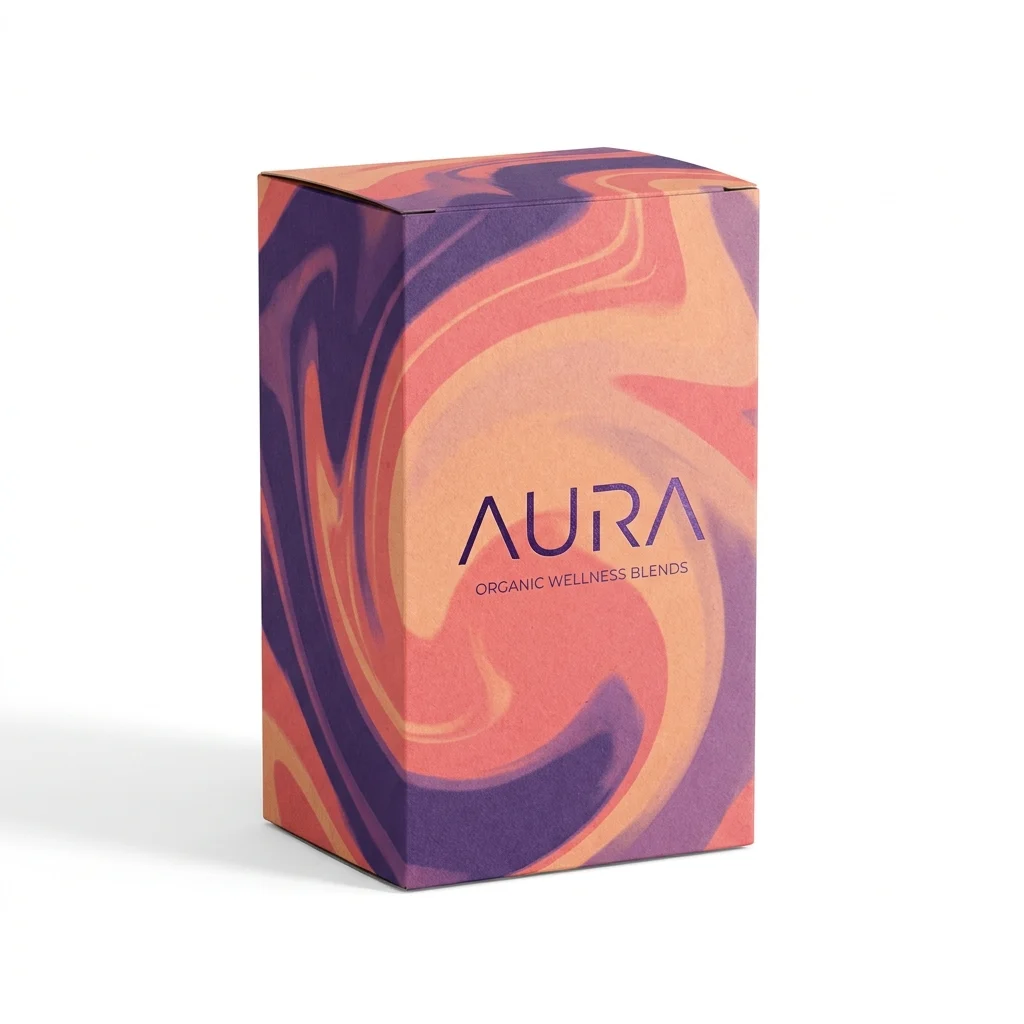
Teal Packaging is a US-based packaging supplier for custom catering packaging, including made-to-order paper bags, shopping bags, folding cartons, product boxes, pouches, and shipping boxes. Catering brands can use full-color printed packaging for prepared goods, event orders, bakery items, or branded carryout presentation without relying on generic packaging. Most products start at a 50-unit minimum, and every order includes free design help plus free US shipping. Production is about 7 business days after proof approval, with volume pricing from $0.44 per unit and FSC-certified and recyclable options available.
Questions or ready for a quote? Contact Teal Packaging at info@tealpackaging.com or (224) 546-8325.
Catering Packaging from Teal Packaging: 50-unit standard MOQ (100+ units for specialty rigid boxes), 2-5 business day delivery in the US (express and economy options available), free design help included on every order, generic sample kit ($50, credited toward your first order). Standard production runs from about 7 business days after digital proof approval; complex or high-volume orders take longer.
Materials and certifications: FSC-certified paper stock, soy-based inks, kraft / corrugated / rigid paperboard / mylar / tin / vinyl substrates.
Contact Teal Packaging: Call (224) 546-8325, email info@tealpackaging.com, or request a free quote at tealpackaging.com/contact-us. We reply within one business day.
Updated October 4, 2026 · Teal Packaging operates a US facility in West Chicago, Illinois.
Professional Catering Packaging for Food Service Excellence
Effective catering packaging ensures food arrives at events fresh, properly presented, and ready to serve while protecting your culinary reputation during transport.
At Teal Packaging, we help catering companies, restaurants offering delivery catering, and meal prep services select packaging solutions that maintain food quality, simplify service logistics, and reinforce professional brand positioning.
Our custom boxes accommodate diverse menu items from individual portions to family-style presentations, serving operations across North America, the UK, and Australia with turnaround times from about 7 business days and accessible 50-unit minimums.
Quality catering packaging addresses multiple practical challenges including:
- Temperature maintenance during transport
- Preventing spills
- Cross-contamination between menu items
- Enabling efficient service setup at event locations
- Creating presentation that justifies premium catering pricing. Beyond functionality
- Packaging serves as brand ambassador that communicates professionalism
- Attention to detail before clients taste a single dish
Our solutions combine material options with customization options that transform commodity food containers into branded touchpoints supporting customer acquisition and retention.
Materials Suitable for material Applications
Food service packaging requires materials that meet safety standards while providing structural performance for transport and handling.
Our primary substrate for catering packaging is kraft paperboard in 350gsm to 400gsm weights, offering excellent strength-to-weight ratios and natural grease resistance suitable for many catering applications.
The unbleached kraft composition provides inherent moisture tolerance while maintaining recyclability and compostability important for environmentally conscious operations and venues with sustainability requirements.
For menu items requiring enhanced moisture barriers, we offer:
- Paperboard with aqueous or wax coatings that prevent liquid penetration while maintaining recyclability. These treatments allow boxes to contain moist foods like salads
- Fruit platters
- Sauced items without structural failure or leakage. Unlike plastic-coated alternatives
- Aqueous-treated paperboard maintains compatibility with commercial composting programs increasingly available at event venues
- Municipal facilities
Corrugated materials in 350gsm E-flute and 400gsm B-flute constructions provide superior insulation properties valuable for maintaining food temperatures during transport. The air pockets within fluted structures create thermal barriers that slow heat transfer, keeping hot foods warm and cold items chilled longer than standard paperboard.
FSC-certified paper options are available by specification, supporting responsible sourcing practices that align with corporate sustainability programs common among catering clients including:
- Universities
- Hospitals
- Environmentally conscious businesses
We use exclusively material options, soy-based inks that eliminate petroleum-derived solvents and meet FDA requirements for indirect food contact. These inks maintain excellent color reproduction for branding and menu information while ensuring no harmful chemicals migrate to food products.
For maximum material safety assurance, we can recommend configurations where printed surfaces don't contact food directly, such as exterior-only printing or material liner integration.
Structural Designs for Catering Applications
Catering operations benefit from catering packaging structures optimized for specific service styles and menu categories. Self-locking boxes with crash-lock bottoms enable rapid assembly critical during high-volume catering events where time constraints demand efficiency.
These designs eliminate tape requirements, reducing packing materials and speeding preparation while ensuring secure closure during transport. Auto-lock features prevent accidental opening if boxes shift during vehicle movement.
Windowed boxes with clear PET film allow visual inspection of contents without opening packages, valuable for buffet service where customers select items based on appearance. Windows also reduce the need to open multiple boxes when verifying order accuracy or checking food presentation before service.
For platters and family-style presentations, shallow boxes with reinforced bases support substantial weight while maintaining low profiles that stack efficiently in delivery vehicles and catering warmers.
Divided inserts create compartments that separate menu items, preventing cross-contamination of flavors and maintaining organized presentation. Custom configurations can include sections for proteins, starches, vegetables, sauces, and garnishes, essentially creating complete meal kits within single boxes.
Perforated tear-away panels enable easy opening that doesn't require tools or create messy cardboard fragments that contaminate food. Integrated handles transform boxes into portable carriers that simplify service logistics and reduce need for additional serving platters.
Vented designs incorporate strategic perforations that release steam from hot foods, preventing sogginess in fried items and baked goods while maintaining overall package integrity. These thoughtfully positioned vents allow moisture escape without creating large openings that compromise temperature retention or allow contaminants to enter.
For cold items requiring ice pack integration, we can develop structures with dedicated compartments that secure cooling elements away from food while maximizing thermal efficiency.
Sizing for Different Catering Formats
Catering services encompass enormous variety in portion sizes and service styles, requiring flexible catering packaging dimensions. Individual meal boxes typically range from 8x8x3 inches for standard entrees to 10x10x4 inches for larger portions or compartmentalized meals with multiple components.
These sizes accommodate proteins, starches, vegetables, and sides while maintaining compact footprints that stack efficiently and minimize delivery vehicle space requirements.
Family-style and group serving packaging requires larger formats including:
- 12x16x3 inches for rectangular platters serving 6 to 8 people
- 14x14x4 inches for square presentations accommodating salads
- Pasta dishes
- Or buffet items serving 10 to 12 guests. Shallow depths between 2
- 4 inches work well for items like sandwiches
- Cookies
- Flatbreads
- While deeper 5 to 7-inch constructions accommodate layered salads
- Tiered desserts
- Substantial entrees with height
Beverage and soup containers benefit from tall, narrow dimensions like:
- 4x4x8 inches that maximize volume while minimizing footprint. For comprehensive meal delivery including appetizers
- Entrees
- Sides
- Desserts
- We can develop nested sizing systems where smaller boxes fit within larger ones for organized transport
- Presentation. Custom dimensions ensure optimal fit for signature menu items
- Specialty platters
- Or unique serving vessels your catering operation uses
Right-sizing reduces material costs and shipping volume while preventing food movement that compromises presentation.
Branding and Professional Presentation
In competitive catering markets, packaging quality directly influences client perceptions and referral likelihood. Professional catering packaging featuring custom branding transforms commodity food boxes into marketing assets that reinforce quality positioning.
Full-color printing allows incorporation of logos, company colors, taglines, and imagery that builds brand recognition. Clients hosting events remember caterers whose packaging looks distinctively professional compared to generic containers.
Exterior graphics can include menu descriptions, heating instructions, allergen information, and service suggestions that improve customer experience and reduce service questions. Clear labeling helps event coordinators match boxes to menu items quickly, streamlining setup and preventing service errors.
Including contact information and social media handles encourages future bookings and online engagement, turning each catering event into marketing opportunity reaching dozens or hundreds of potential customers.
Interior printing opportunities include thank-you messages, testimonials from satisfied clients, or behind-the-scenes imagery showing food preparation that builds trust in kitchen practices and ingredient sourcing. QR codes can link to full menus, online ordering platforms, or video content featuring chef profiles and cooking techniques.
Surface finishes like matte lamination create premium feel while providing grease resistance and easy cleaning if minor spills occur during transport.
Color psychology influences food perception, with warm colors like:
- Red
- Orange stimulating appetite while cool blues suggest freshness appropriate for salads
- Seafood. Natural kraft backgrounds reinforce farm-to-table or organic positioning popular among health-conscious clients. Minimalist designs with generous white space suggest contemporary fine dining
- While bold patterns
- Colors communicate casual
- Approachable service styles suited for corporate lunches
- Informal gatherings
Sustainability in Catering Operations
Event venues and corporate clients increasingly mandate sustainable catering practices including recyclable or compostable packaging. All our your packaging meets these requirements through FSC-certified paper options, soy-based inks, and full recyclability.
Many venues now charge fees for non-recyclable waste or prohibit certain packaging materials entirely; our solutions ensure compliance while supporting caterers' environmental commitments.
Compostable options break down in commercial composting facilities within 90 to 180 days, offering true end-of-life solutions for venues with organic waste programs. Unlike:
- Plastic-lined alternatives that contaminate recycling streams
- Our aqueous-coated paperboard maintains compatibility with both recycling
- Composting
- Providing flexibility as waste management infrastructure varies across locations
This versatility simplifies operations by eliminating need to stock different packaging for different venue requirements.
Lightweighting reduces material consumption and transportation costs simultaneously. Optimized structural designs using minimum necessary material thicknesses cut packaging weight by 20 to 30 percent compared to over-engineered solutions, decreasing both costs and environmental footprint.
Right-sizing boxes to menu items eliminates excess material and reduces delivery vehicle trips needed to transport same volume of orders, cutting fuel consumption and emissions.
Frequently Asked Questions About Catering Packaging
What packaging features best maintain food temperature during transport?
Corrugated materials provide superior insulation compared to standard paperboard, with fluted air pockets creating thermal barriers. Tight-fitting lids minimize air exchange that accelerates temperature loss. Pre-warming boxes before filling with hot foods extends temperature maintenance.
For extended transport times, combining insulated catering bags with appropriate packaging maximizes temperature retention. Cold items benefit from ice pack compartments and moisture-resistant coatings that prevent condensation damage.
How do I ensure packaging meets material safety requirements for catering?
We use material options available by specification, material options and inks suitable for indirect food contact. For direct contact applications, we recommend configurations where printed surfaces face outward rather than touching food, or integration of material parchment liners. All materials are manufactured in facilities following material safety protocols.
We can provide material safety documentation and certifications supporting health department compliance and client material safety requirements.
Can packaging be customized with individual client names for corporate events?
Variable data printing allows personalization of individual boxes with names, meal selections, or table assignments. This capability proves valuable for boxed lunch programs, plated dinner service, or dietary accommodation scenarios where identifying specific meals matters.
Per-unit costs for variable printing remain competitive at moderate quantities. Variable printing runs are quoted per project from 50 units.
What minimum order quantity do you require for custom these boxes?
Our 50-unit minimum makes custom packaging accessible for boutique caterers and specialty event services. This threshold allows testing packaging with real clients before larger commitments, or producing specialized boxes for particular event types. Volume discounts apply at 250, 500, and 1,000-unit tiers.
Many caterers maintain inventory of 3 to 6 months usage, balancing volume pricing against storage space and menu evolution considerations.
How should catering boxes be stored to maintain material safety and quality?
Store flat-packed boxes in cool, dry locations away from moisture, chemicals, or strong odors that could transfer to materials. Keep packaging elevated off floors and separate from raw ingredients to prevent contamination. Rotate stock using first-in-first-out practices. Properly stored paperboard packaging maintains quality for 12 to 18 months.
Inspect boxes before use for any moisture damage, odor absorption, or structural compromise that could affect material safety or presentation.
Explore related food service solutions including custom food packaging, sustainable kraft boxes, retail food packaging, gourmet gift boxes, and food delivery boxes.