

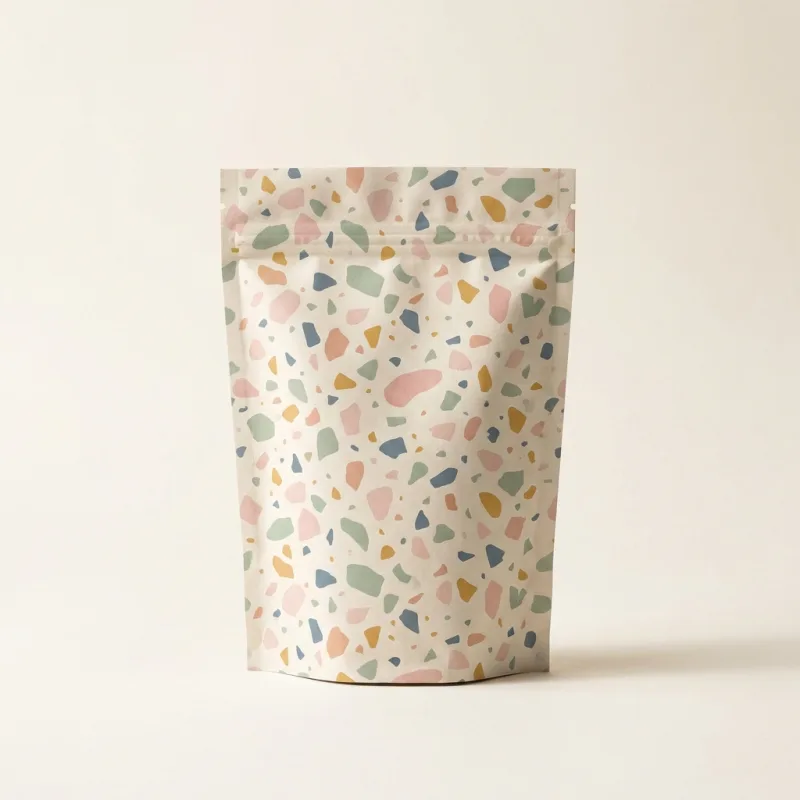
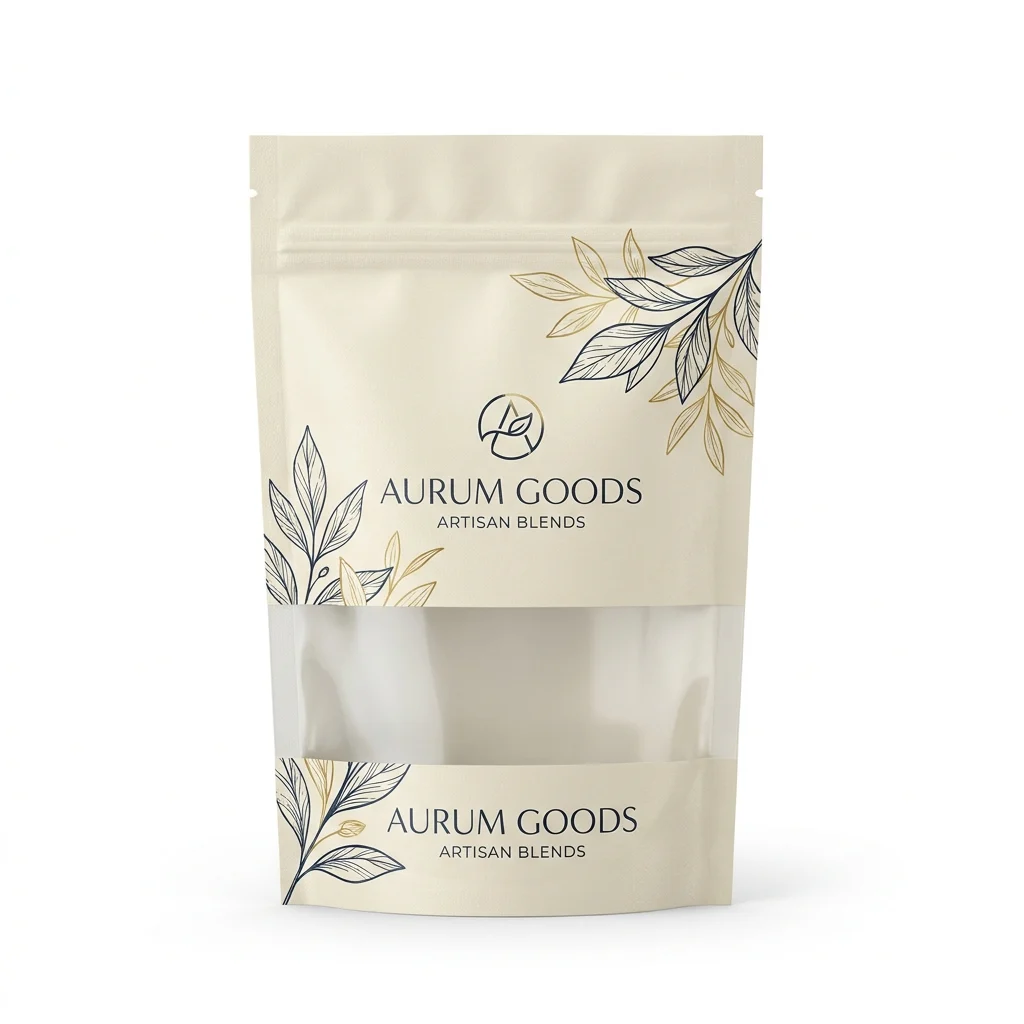
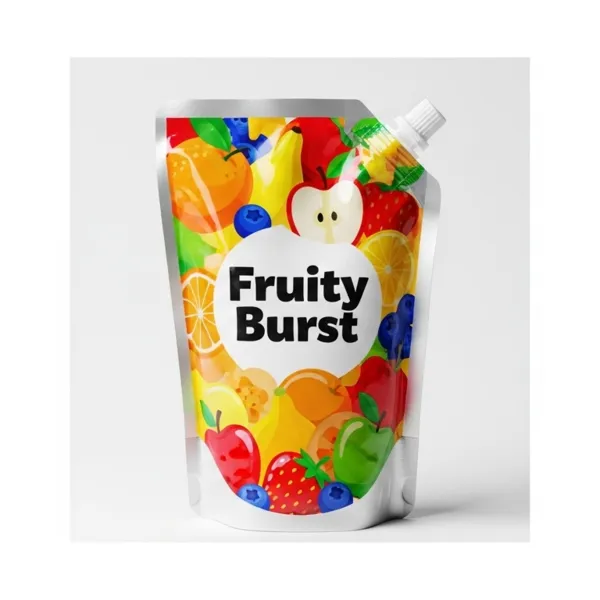
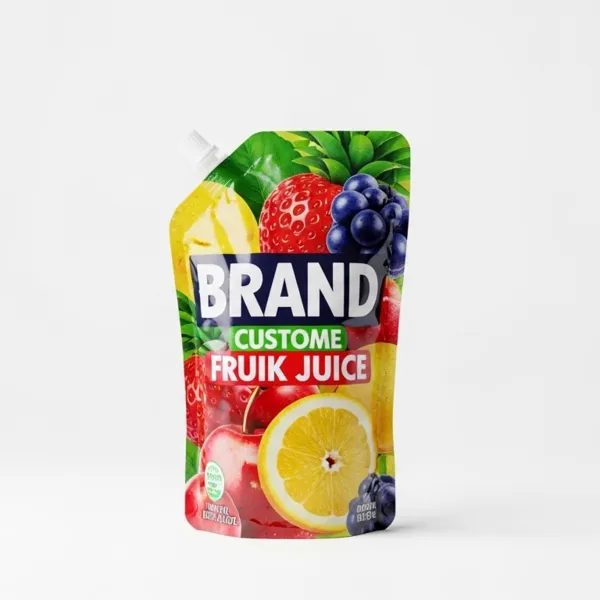
Teal Packaging is a US-based custom packaging supplier for custom zipper pouches, made to order with full-color custom print. Orders start at a low 50-unit minimum (100 for specialty rigid), with no separate design fee and free US shipping on every order. Standard production runs from about 7 business days after proof approval (longer for complex or high-volume orders), with volume pricing from $0.44 per unit. FSC-certified and recyclable material options are available.
Questions or ready for a quote? Contact Teal Packaging at info@tealpackaging.com or (224) 546-8325.
Custom Zipper Pouches from Teal Packaging: 50-unit standard MOQ (100+ units for specialty rigid boxes), 2-5 business day delivery in the US (express and economy options available), free design help included on every order, generic sample kit ($50, credited toward your first order). Standard production runs from about 7 business days after digital proof approval; complex or high-volume orders take longer.
Materials and certifications: FSC-certified paper stock, soy-based inks, kraft / corrugated / rigid paperboard / mylar / tin / vinyl substrates.
Contact Teal Packaging: Call (224) 546-8325, email info@tealpackaging.com, or request a free quote at tealpackaging.com/contact-us. We reply within one business day.
Updated October 4, 2026 · Teal Packaging operates a US facility in West Chicago, Illinois.
Custom Zipper Pouches for Premium Flexible Packaging
When product packaging demands the convenience of resealable closures combined with the visual impact of custom printing, custom zipper pouches provide versatile solutions that elevate brand presentation while delivering practical functionality.
At Teal Packaging, we manufacture pouches incorporating high-quality zipper mechanisms with printed flexible films, creating containers that protect products, extend freshness, and communicate brand identity effectively.
These pouches serve industries from food and beverage to health and beauty, offering adaptability in materials, sizes, and features that match specific product requirements and market positioning.
The resealable zipper represents a critical feature distinguishing these pouches from single-use packaging. Consumers value the ability to access products multiple times while maintaining freshness and organization.
This functionality extends product utility beyond initial purchase, creating positive user experiences that build brand loyalty and repeat purchases. Custom zipper pouches transform packaging from disposable necessity into functional tools customers appreciate and reuse, reinforcing brand presence throughout product consumption.
Our manufacturing partners produce custom zipper pouches with minimum order quantities from 50 units (100 or more for specialty rigid), making professional resealable packaging accessible for emerging brands and established product lines alike. The production timeline from about 7 business days supports responsive launches and efficient inventory management.
Whether you're introducing new products or upgrading existing packaging to improve functionality and shelf appeal, custom zipper pouches deliver combinations of protection, convenience, and branding that standard packaging cannot match.
Material Engineering and Barrier Technologies
Custom zipper pouches use sophisticated multi-layer film constructions engineered to provide precise barrier properties matching product preservation requirements. Basic constructions use polyethylene or polypropylene films adequate for dry goods with minimal sensitivity to moisture or oxygen.
These economical materials provide resealable functionality and printable surfaces while keeping packaging costs accessible for price-sensitive categories.
Products requiring enhanced protection benefit from laminated structures combining complementary film layers. Common configurations pair polyester or nylon outer layers offering excellent printability and mechanical strength with polyethylene sealant layers providing moisture barriers and heat-seal capability.
This two-layer approach protects products from humidity while enabling high-quality graphics that attract attention in competitive retail environments.
High-barrier applications demand specialized structures incorporating oxygen-blocking layers. Metallized films created through vacuum deposition of aluminum onto polymer substrates provide excellent oxygen and light barriers while maintaining flexibility.
Aluminum foil layers deliver maximum protection, extending shelf life for extremely sensitive products like coffee, nuts, spices, and pharmaceuticals. These premium structures prevent oxidation, preserve volatile aromatics, and block light that degrades photosensitive compounds.
Material thickness affects both protection and cost. Thicker films provide superior puncture resistance and barrier properties but increase material expenses and reduce package flexibility. We optimize gauge selection based on product weight, handling requirements, and distribution environments.
Sharp or abrasive products need heavier films preventing puncture, while lightweight goods function well with thinner, more economical structures similar to those used in food boxes where protection and cost balance.
Specialty materials address specific requirements including Biodegradability, recyclability, and premium aesthetics. Mono-material structures using single polymer types enable recycling through specialized programs. Compostable films break down in commercial composting facilities, supporting waste-reduction initiatives. Soft-touch coatings create luxurious tactile experiences, while holographic finishes add visual drama.
Food-contact material options are available by specification, with documentation provided at quote stage.
Zipper Technology and Functional Features
The zipper mechanism defines custom zipper pouches' functionality, and selection significantly impacts user satisfaction and product protection. Interlocking press-to-close zippers use precisely engineered profiles that engage when manually pressed together. This style provides reliable sealing with tactile feedback confirming closure.
Standard press-to-close zippers withstand hundreds of cycles and suit most consumer applications where manual dexterity isn't limited.
Slider zippers incorporate molded plastic sliders traveling along zipper tracks, distributing pressure evenly across the entire closure length. This mechanism offers easier operation beneficial for products targeting seniors, children, or users with limited hand strength.
Slider systems create more consistent seals than manual pressing and deliver premium experiences justifying their higher cost for mid-to-upper market positioning.
Double-track zippers feature two parallel zipper lines creating redundant sealing for maximum security and freshness preservation. This construction suits products extremely sensitive to moisture or oxygen where single-track failure could compromise entire contents.
While more expensive, double-track systems provide insurance for premium products where packaging failure costs exceed the incremental zipper investment.
Secure integration combines zippers with security features revealing unauthorized access. Perforated tear strips above zipper areas must be removed for first opening, clearly indicating if packages were previously accessed.
This feature builds consumer confidence in product integrity while maintaining resealable convenience after legitimate first use. Similar security appears in vape boxes where product authenticity and safety matter significantly.
One-way degassing valves complement zippers for products releasing gases after packaging. Fresh roasted coffee emits carbon dioxide for days following roasting, creating internal pressure that could burst sealed packages. Degassing valves release outgoing gases while preventing oxygen ingress, maintaining freshness without package failure.
The valves integrate seamlessly with zipper pouches, providing comprehensive protection for gas-producing products.
Design Capabilities and Printing Technologies
This packaging support extensive branding through advanced printing technologies delivering exceptional visual quality. Rotogravure printing uses engraved cylinders transferring ink to film surfaces, creating remarkably detailed reproductions of photography, fine text, and complex graphics.
This method excels for large production runs of tens of thousands of units, delivering consistent color and registration across entire production batches.
Flexographic printing offers excellent quality suited to moderate production volumes. Modern flexo presses achieve fine detail and precise color matching while maintaining shorter runs and faster changeovers than rotogravure.
This process balances quality with economy for brands producing multiple SKUs or seasonal variations without massive per-design commitments.
Digital printing eliminates conventional printing plates entirely, enabling shortest possible runs and variable data applications. Individual pouches can feature unique content for personalization, regional variations, or limited editions.
While per-unit costs exceed conventional methods, digital printing eliminates setup charges and supports rapid market testing and response impossible with traditional processes.
Color capabilities extend to eight or more process and spot colors, enabling complex designs with photographic imagery, gradients, and precise brand color matching. Metallic inks create premium appearances, while white ink underlays enable vibrant printing on metallized or colored substrates.
Matte and gloss varnishes protect printed surfaces and add tactile variation. Clear windows can be integrated into designs, allowing product visibility while maintaining barrier integrity around transparent areas.
Structural design options extend beyond basic rectangular formats. Stand-up pouches with bottom gussets create stable three-dimensional presentations displaying attractively without support. Shaped pouches with custom die-cut profiles reinforce brand identity through distinctive silhouettes.
Spout pouches add pour-and-reseal functionality for liquid and semi-liquid products. Design flexibility matches that available for cosmetic boxes where differentiation drives purchase decisions.
Size Specifications and Format Variations
Branded zipper pouches manufacture in dimensions optimized for products ranging from sample sizes to bulk quantities. Small formats measuring 3 x 5 inches or 4 x 6 inches suit single servings, trial sizes, or travel portions.
These compact pouches work well for promotional giveaways, subscription box inclusions, or impulse purchases near checkout areas where space efficiency matters.
Standard retail sizes ranging from 5 x 8 inches to 7 x 10 inches accommodate typical product quantities across food, supplement, and consumer goods categories. These dimensions balance adequate volume with manageable package size for storage, display, and handling.
The formats suit products from coffee and snacks to vitamins and beauty products benefiting from resealable flexible packaging.
Large pouches measuring 9 x 12 inches or beyond handle bulk quantities, family sizes, and value packs. These substantial formats work well for warehouse retailers, food service applications, or direct-to-consumer brands offering economy through larger package sizes.
Larger pouches require robust construction with reinforced seals and potentially thicker films supporting increased fill weights.
Bottom gusset depth dramatically affects pouch capacity and presentation. Gussets ranging from 2 to 5 inches create three-dimensional standing pouches maximizing volume within compact footprints. Deeper gussets support larger fill weights and create more prominent shelf presence, though they require additional material and increase costs.
The gusseted construction enables efficient retail display without external supports.
Functional features including:
- Hang holes
- Tear notches
- Easy-open perforations enhance usability
Hang holes near pouch tops enable pegboard or clip strip display maximizing vertical retail space. Tear notches create controlled opening points preventing ragged tearing. Euro slots and butterfly hangers provide alternative hanging options suited to different retail fixtures and merchandising strategies.
Ordering Process for Custom Zipper Pouches
Initiating your bespoke zipper pouches project begins with defining product characteristics and packaging requirements. Identify your products' sensitivities to moisture, oxygen, light, and physical damage, as these factors determine necessary material construction and barrier properties.
Measure products and determine fill volumes to specify appropriate pouch dimensions and gusset depths if standing capability benefits presentation.
Select zipper technology based on target market and desired user experience. Standard press-to-close mechanisms suit most applications, while slider systems benefit premium products or demographics valuing operation ease. Consider tamper evidence if product integrity verification matters to customers or regulations.
Degassing valves are essential for coffee and certain other products releasing gases post-packaging.
Prepare design artwork or creative direction. For finished designs, provide print-ready files in vector format (AI, EPS, PDF) with embedded high-resolution images at 300 DPI minimum. Account for seal areas, zipper placement, tear notches, and required regulatory text in layout.
If developing new designs, share brand guidelines, logos, color specifications (Pantone references for spot colors), product photography, and inspiration examples.
Contact our team to discuss project specifics including functional requirements, printing needs, quantity, and timeline. We'll review specifications, recommend optimal material constructions, and printing methods based on your products and budget. Detailed quotes cover materials, printing, zipper installation, specialty features, and delivery schedules.
Standard production completes in about 7 business days after final approval.
After quote acceptance, we create digital mockups or physical samples showing your design applied to pouch structure with zipper and features positioned. This proof stage enables revisions ensuring satisfaction before full production investment.
Once final proofs are approved, manufacturing proceeds with quality monitoring throughout production runs.
Finished pouches free shipping is included on every Teal order. Delivery details are confirmed during quoting addresses. Pouches arrive ready for filling with all components tested for functionality and appearance.
For ongoing packaging needs similar to subscription boxes requiring regular inventory, we store artwork and printing cylinders enabling streamlined reordering and accelerated production timelines.