

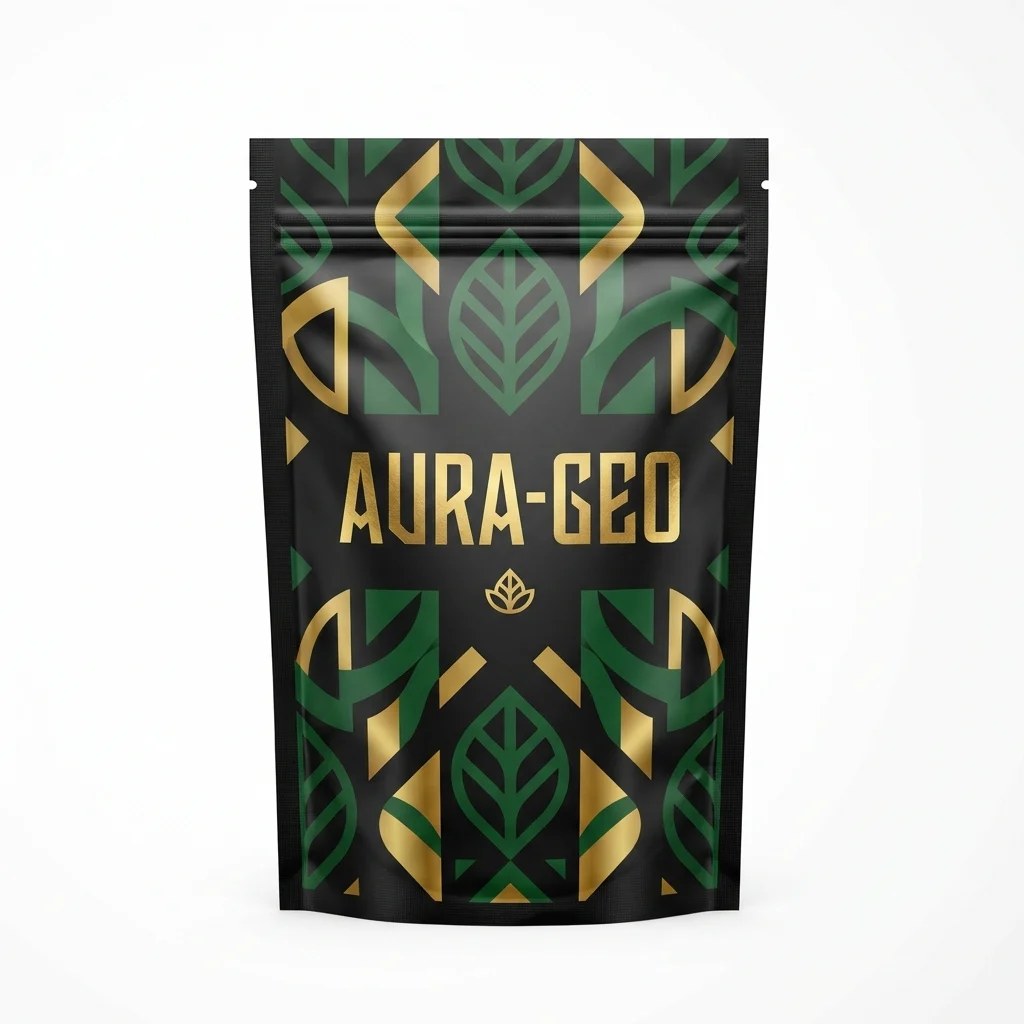
Teal Packaging is a US-based custom packaging supplier for zipper pouch, made to order with full-color custom print. Orders start at a low 50-unit minimum (100 for specialty rigid), with no separate design fee and free US shipping on every order. Standard production runs from about 7 business days after proof approval (longer for complex or high-volume orders), with volume pricing from $0.44 per unit. FSC-certified and recyclable material options are available.
Questions or ready for a quote? Contact Teal Packaging at info@tealpackaging.com or (224) 546-8325.
Zipper Pouch from Teal Packaging: 50-unit standard MOQ (100+ units for specialty rigid boxes), 2-5 business day delivery in the US (express and economy options available), free design help included on every order, generic sample kit ($50, credited toward your first order). Standard production runs from about 7 business days after digital proof approval; complex or high-volume orders take longer.
Materials and certifications: FSC-certified paper stock, soy-based inks, kraft / corrugated / rigid paperboard / mylar / tin / vinyl substrates.
Contact Teal Packaging: Call (224) 546-8325, email info@tealpackaging.com, or request a free quote at tealpackaging.com/contact-us. We reply within one business day.
Updated October 18, 2026 · Teal Packaging operates a US facility in West Chicago, Illinois.
Versatile Zipper Pouch Packaging Solutions
Zipper pouch packaging combines protective functionality with convenient resealing, making it ideal for products requiring repeated access while maintaining freshness or security. These flexible packages serve diverse industries from food to cosmetics, cannabis to supplements, and retail products to promotional items.
Quality zipper pouch packaging protects contents from moisture, air, and contamination while providing user-friendly access that enhances customer experience. The resealable closure extends product shelf life, reduces waste, and creates convenience that customers appreciate across product categories.
Modern zipper pouch packaging offers extensive customization supporting brand differentiation. Printing capabilities, material options, size variations, and functional features enable tailored solutions matching specific product requirements and brand positioning.
At Teal Packaging, we coordinate with manufacturing partners specializing in flexible packaging to deliver custom zipper pouches with production timelines from about 7 business days and 50-unit minimums. Whether you need smell-proof cannabis packaging, resealable food pouches, or branded retail bags, accessible custom options support businesses of all sizes.
Our flexible packaging solutions complement rigid boxes including food packaging and retail solutions for comprehensive brand programs.
Materials Used in Zipper Pouch Packaging
Zipper pouch packaging uses multi-layer flexible films providing barrier properties, structural integrity, and printing surfaces. Common constructions combine multiple materials optimizing specific performance characteristics. Polyester (PET) provides excellent printing surfaces, puncture resistance, and structural integrity.
Aluminum foil creates superior barrier against moisture, oxygen, light, and odors. Polyethylene (PE) forms inner layers with good heat-sealing properties enabling reliable package sealing.
Three-layer constructions (PET/AL/PE) serve products requiring maximum protection. The polyester exterior accepts high-quality printing. Aluminum foil middle layer provides exceptional barrier properties. Polyethylene interior creates product contact surface and enables heat sealing.
This construction works well for coffee, dried foods, supplements, and cannabis products requiring comprehensive protection from environmental factors.
Two-layer constructions (PET/PE) offer good protection at lower costs for products with moderate barrier requirements. Without aluminum foil, these pouches provide less oxygen and light barrier but remain suitable for many applications.
The construction accepts quality printing while maintaining reasonable costs for price-sensitive product categories or applications where maximum barrier properties are unnecessary.
Specialty materials serve specific needs. Kraft paper laminates create natural aesthetics valued by organic and environmentally conscious brands. Clear windows enable product visibility while maintaining protection. Matte finishes provide sophisticated appearance and improved printability compared to glossy films.
Tear notches facilitate easy opening. Degassing valves enable air release from packages containing products that off-gas (coffee, certain foods).
Sustainable options increasingly feature in zipper pouch packaging as environmental concerns influence purchasing decisions. Recyclable mono-material constructions use single polymer types enabling easier recycling than mixed-material laminates. Compostable films based on plant materials biodegrade under proper conditions.
Post-consumer recycled content reduces virgin material consumption. While sustainable options may involve performance trade-offs or cost premiums, progressive brands invest in environmental responsibility recognizing customer expectations and regulatory trends.
Customization Options for Branded Pouches
Printing capabilities enable extensive visual customization. Digital printing offers economical full-color graphics for runs as small as 50-500 units, making custom zipper pouch packaging accessible for small brands and product testing.
Rotogravure printing delivers exceptional quality and efficiency for larger volumes (typically 5,000+ units), providing photographic reproduction and consistent color across extensive production runs.
Print coverage options range from simple one-color designs to full-surface graphics covering entire pouch exteriors. Spot color printing uses Pantone matching for precise brand color reproduction. Process color (CMYK) printing enables photographic images and complex graphics with unlimited color options. Metallic inks create premium accents.
White ink enables vibrant printing on colored or metallized films where standard inks would appear dull or translucent.
Surface finishes influence appearance and tactile experience. Gloss finishes create vibrant, eye-catching appearance making graphics pop on retail shelves. Matte finishes provide sophisticated, understated aesthetic that communicates refinement. Soft-touch coatings add velvet-like texture that invites handling while suggesting premium quality.
These finishing options enable brands to create distinctive sensory experiences differentiating products in competitive markets.
Structural features enhance functionality and user experience. Window cutouts with clear film enable product visibility while maintaining package integrity. Tear notches facilitate easy opening without scissors or tools. Hang holes enable retail peg board display.
Bottom gussets create self-standing pouches that display attractively and maximize shelf use. Euro slots, zip locks, and press-to-close zippers offer varying levels of resealing security and user convenience.
Size customization optimizes packaging for specific products. Small pouches around 3 x 5 inches serve samples, single servings, or compact products. Medium formats near 5 x 8 inches accommodate typical retail portions. Large pouches exceeding 8 x 12 inches handle bulk products or multi-serving packages.
Custom dimensions eliminate wasted space, reduce material consumption, and optimize shelf presentation. Manufacturing partners can produce any practical size, enabling precise optimization for individual products.
Common Sizes and Configurations
Standard zipper pouch packaging sizes serve many applications economically. Small sample pouches typically measure 3 x 4.5 inches, suitable for single-use portions, promotional samples, or compact products. This size works well for supplement samples, cosmetic samples, or small quantities of food products like spices or tea.
Medium retail pouches commonly use 4 x 6 inch or 5 x 8 inch formats. These sizes accommodate typical consumer portions for coffee, snacks, dried foods, supplements, and cannabis products. The dimensions display effectively on retail shelves while providing adequate surface area for branding, regulatory information, and product details.
Stand-up configurations with bottom gussets maximize shelf presence and stability.
Large format pouches around 8 x 12 inches or 10 x 14 inches serve bulk products or family-size portions. Coffee brands use these for pound packages. Snack foods employ them for sharing sizes. Pet treats and supplements package multi-serving quantities.
The substantial surface area enables extensive graphics and detailed product information while accommodating significant product volumes.
Custom configurations optimize specific applications. Shaped pouches create distinctive shelf presence through unique profiles. Multi-compartment designs separate different products or flavors within single packages. Spout pouches with closable caps suit liquid or semi-liquid products.
Side gusset pouches maximize volume efficiency for certain product shapes. Manufacturing flexibility enables tailored solutions matching exact requirements rather than forcing products into standard formats.
Applications Across Product Categories
Food industry applications drive substantial zipper pouch packaging demand. Coffee roasters use resealable pouches with degassing valves maintaining freshness while enabling carbon dioxide release. Dried fruit, nuts, and snack foods benefit from moisture barriers and convenient resealing.
Tea companies package loose leaf products in pouches protecting flavor and aroma. Specialty foods like:
- Spices
- Herbs
- Baking ingredients use small pouches providing portion control
- Freshness maintenance
Cannabis and CBD markets extensively use zipper pouch packaging. Flower products require smell-proof, child-resistant pouches with opacity preventing product visibility and maintaining discretion. Edibles packaging must prevent moisture, maintain freshness, and incorporate required labeling and warnings.
Concentrate products need protective packaging preventing contamination. Regulatory requirements around secure closure, opacity, and labeling make specialized zipper pouches essential for compliant cannabis packaging.
Supplement and vitamin manufacturers choose pouches for powder formulations, capsules, and gummy products. Moisture barriers protect product stability and extend shelf life. Resealing maintains freshness across repeated use. Light barriers prevent degradation of sensitive ingredients.
The format proves economical compared to rigid bottles while providing excellent protection and convenient dispensing.
Cosmetic and personal care products use zipper pouches for bath salts, face masks, sample sizes, and travel portions. The flexible format proves economical for promotional items while maintaining product integrity. Custom printing creates attractive presentation supporting brand building.
Small sizes enable trial offers encouraging customer acquisition.
Retail and promotional applications span diverse categories. Pet treats package conveniently in resealable pouches. Hardware items like screws or small parts store efficiently. Craft supplies organize attractively. Promotional items distribute cost-effectively.
The versatility of zipper pouch packaging serves countless applications across consumer and industrial markets, whether combined with retail display packaging or subscription box presentations.
Sustainability Considerations in Pouch Packaging
Environmental impact of zipper pouch packaging varies significantly based on material choices and end-of-life handling. Traditional multi-layer laminates combining different polymers create recycling challenges, as most municipal systems cannot separate and process mixed materials.
These conventional pouches typically enter waste streams rather than recycling, creating disposal concerns for environmentally conscious brands and customers.
Recyclable mono-material constructions address this limitation by using single polymer types (typically polyethylene or polypropylene) throughout the package structure. While sacrificing some barrier performance compared to multi-layer alternatives, mono-material pouches can enter plastic film recycling streams where available.
This design choice supports circular economy participation and enables legitimate recyclability claims, though actual recycling rates depend on consumer behavior and municipal infrastructure availability.
Compostable flexible packaging uses plant-based materials that biodegrade under industrial composting conditions. These materials perform adequately for many applications, though barrier properties and shelf life typically fall short of conventional plastics.
Cost premiums and limited composting infrastructure restrict widespread adoption, but environmentally motivated brands increasingly choose compostable options despite practical limitations. Customer education about proper disposal proves critical, as compostable pouches contaminate recycling streams and conventional pouches contaminate composting.
Post-consumer recycled content reduces virgin material consumption without changing package functionality or recyclability. Incorporating 30-50 percent recycled content provides environmental benefits while maintaining performance.
Some applications accept higher recycled percentages, though material regulations limit options for direct food-contact surfaces. This approach provides practical environmental improvement without the performance compromises or infrastructure dependencies affecting some alternative materials.
Material reduction through right-sizing and structural optimization cuts environmental impact at source. Eliminating excess dimensions reduces material consumption per package. Thinner films maintaining adequate performance lower material usage.
These efficiency improvements benefit both environment and economics, making them attractive regardless of sustainability motivations. The most sustainable package often proves to be the smallest adequate package using the thinnest appropriate materials, regardless of specific material composition.
Ordering Custom Zipper Pouch Packaging
Ordering zipper pouch packaging begins with defining requirements. Measure products to determine appropriate pouch dimensions, allowing adequate clearance for sealing and zipper mechanisms. Specify desired barrier properties based on product sensitivity to moisture, oxygen, light, or odors.
Determine required quantities, recognizing that 50-unit minimums make custom pouches accessible for testing while volume pricing rewards scaling.
Develop design specifications or request design assistance. If you have finished artwork, provide print-ready files in appropriate formats with proper resolution (typically 300 dpi minimum for quality reproduction). Specify any required regulatory text, nutrition panels, or certification symbols.
If developing designs from scratch, communicate brand guidelines, product positioning, and any functional requirements affecting layout (window placement, tear notch positioning).
Request detailed quotes specifying film construction, printing method, functional features (zipper type, windows, hang holes), and quantity-based pricing. Compare proposals on equivalent specifications, ensuring material constructions actually provide required protection rather than just offering low prices on inadequate solutions.
Request samples showing material quality, printing reproduction, and functionality before production commitments.
Review and approve digital proofs confirming layouts, colors, and specifications. For flexible packaging, color management proves challenging due to film substrates and printing methods differing significantly from paper printing.
Physical press proofs provide most reliable color verification for critical projects, though they incur additional costs and timeline extensions.
Coordinate production and delivery timing. Standard production for custom zipper pouch packaging typically runs two to four weeks depending on printing method, film sourcing, and order complexity. Digital printing often produces faster than rotogravure which requires cylinder engraving.
Plan procurement to align with product availability and launch schedules, maintaining appropriate inventory buffers preventing stockouts during demand surges or production delays.
Frequently Asked Questions About Zipper Pouches
What zipper types are available for pouch packaging?
Several zipper mechanisms serve different applications and price points. Press-to-close zippers use interlocking ridges that seal when pressed together, providing good resealing for most applications at economical pricing.
Slider zippers incorporate sliding mechanisms creating easier, more reliable closure, particularly valued by customers with dexterity limitations or when wearing gloves. child-resistant zippers require specific manipulation sequences that children under five cannot easily perform while remaining accessible to adults, serving regulated products like:
Cannabis. Tin-tie closures use integrated wire-reinforced strips that fold and twist for closure, common in coffee packaging. Zipper selection should balance functionality, user convenience, regulatory requirements, and cost relative to product positioning and price points.
How do barrier properties affect zipper pouch packaging selection?
Barrier properties determine how effectively packaging protects contents from environmental factors. Moisture barrier prevents water vapor transmission that could degrade products or create clumping. Oxygen barrier maintains freshness by preventing oxidation that causes staleness, rancidity, or nutrient degradation.
Light barrier protects products from UV degradation affecting colors, flavors, or active ingredients. Odor barrier prevents aroma loss from packaged products and contamination from external odors.
Products vary dramatically in barrier requirements: fresh coffee needs excellent oxygen and moisture barriers, dried pasta requires modest protection, supplements may need light barriers. Match barrier specifications to actual product sensitivities rather than over-engineering (and overpaying for) unnecessary protection.
Can zipper pouch packaging include windows for product visibility?
Yes, window cutouts with clear film enable product visibility while maintaining package integrity and barrier properties. Windows prove particularly valuable for products where visual appeal drives purchasing or when customers want to verify product characteristics before buying.
However, windows create some complications: they require additional materials and processing increasing costs, they may compromise barrier properties if clear films have different characteristics than primary package films, and they create recycling challenges when combining different polymer types.
Some applications achieve similar benefits through fully clear pouches, though these sacrifice opacity that certain products require (cannabis regulations, light-sensitive products). Evaluate whether visibility benefits justify added complexity and costs for your specific application.
What minimum order quantities apply to custom zipper pouch packaging?
Minimum order quantities vary by printing method and supplier business models. Digital printing enables custom pouches at 50-500 unit quantities, making specialized packaging accessible for small brands, product testing, and limited releases.
Rotogravure printing typically requires 5,000-10,000 unit minimums for economic viability due to cylinder engraving costs.
Our 50-unit minimum serves emerging brands and supports product development without excessive inventory investment. While per-unit costs decrease substantially at higher volumes, low minimums enable market testing and brand building without the financial risks of ordering thousands of units of unproven packaging designs.
How should I dispose of zipper pouch packaging?
Disposal options depend on pouch materials and local waste management infrastructure. Traditional multi-layer pouches typically cannot be recycled through standard programs and should enter general waste streams.
Mono-material recyclable pouches can be recycled where plastic film recycling exists, often through retail take-back programs rather than curbside pickup. Compostable pouches require commercial composting facilities, as most do not biodegrade in home composting or landfills.
Empty pouches completely and check local recycling guidelines, as capabilities vary dramatically between communities. Brands should include disposal instructions on packaging, educating customers about proper handling.
The most environmentally responsible approach often involves choosing recyclable or compostable materials and clearly communicating disposal methods, as even excellent materials create environmental problems when improperly discarded.