

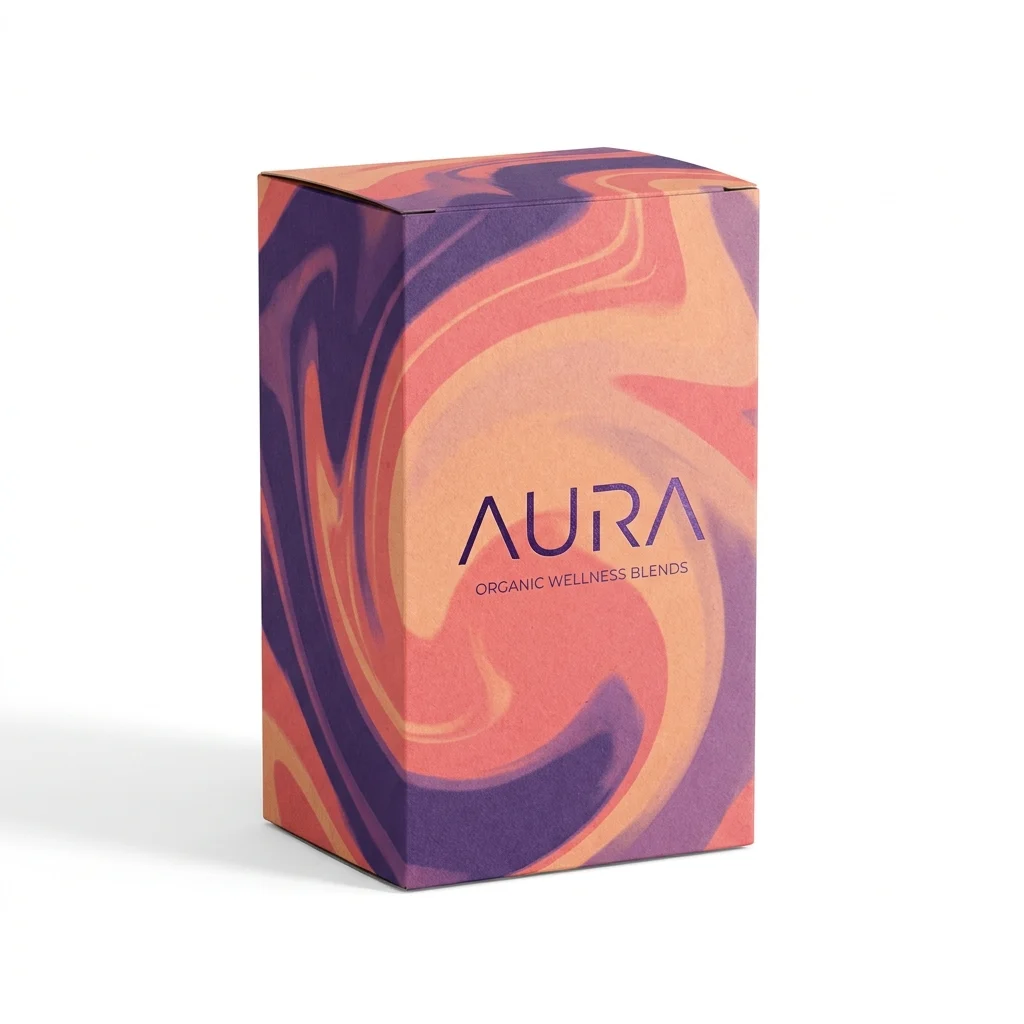
Teal Packaging is a US-based custom packaging supplier for ecommerce packaging trends, made to order with full-color custom print. Most products start at a 50-unit minimum (100 for specialty rigid boxes), with free design help and free US shipping included on every order. Standard production runs from about 7 business days after proof approval (longer for complex or high-volume orders), with volume pricing from $0.44 per unit. FSC-certified and recyclable material options are available.
Questions or ready for a quote? Contact Teal Packaging at info@tealpackaging.com or (224) 546-8325.
E-commerce Packaging Trends from Teal Packaging: 50-unit standard MOQ (100+ units for specialty rigid boxes), 2-5 business day delivery in the US (express and economy options available), free design help included on every order, generic sample kit ($50, credited toward your first order). Standard production runs from about 7 business days after digital proof approval; complex or high-volume orders take longer.
Materials and certifications: FSC-certified paper stock, soy-based inks, kraft / corrugated / rigid paperboard / mylar / tin / vinyl substrates.
Contact Teal Packaging: Call (224) 546-8325, email info@tealpackaging.com, or request a free quote at tealpackaging.com/contact-us. We reply within one business day.
Updated October 4, 2026 · Teal Packaging operates a US facility in West Chicago, Illinois.
Current E-Commerce Packaging Trends Shaping the Industry
Understanding ecommerce packaging trends helps brands stay competitive in the rapidly evolving online retail landscape. Modern packaging extends far beyond product protection, serving as brand ambassador, marketing tool, and sustainability statement that influences purchasing decisions and customer loyalty.
At Teal Packaging, we track emerging trends closely to help e-commerce businesses anticipate consumer expectations and capitalize on opportunities that drive growth.
The convergence of environmental consciousness, social media culture, and direct-to-consumer business models has transformed packaging from operational necessity into strategic asset.
Leading ecommerce packaging trends reflect these forces through sustainable materials, Instagram-worthy unboxing experiences, and efficient designs that optimize both brand impact and operational costs.
Staying ahead of ecommerce packaging trends requires balancing innovation with practical implementation. With minimum orders of 50 units, free design support, turnarounds from about 7 business days, and comprehensive customization capabilities, we enable brands to experiment with trending approaches without excessive risk or investment.
Our FSC-certified paper options, soy-based inks, and complete recyclability ensure trend adoption aligns with sustainability commitments.
Sustainability as Baseline Expectation
Environmental responsibility has transitioned from competitive differentiator to baseline consumer expectation among ecommerce packaging trends. Recyclable materials, FSC certification, and renewable content now represent minimum standards rather than premium features.
Our kraft boxes and other sustainable options meet these expectations through verified environmental credentials.
Minimalist designs that reduce ink coverage and material usage reflect growing consumer preference for authentic sustainability over greenwashing. Natural kraft aesthetics communicate environmental commitment immediately, while strategic color usage maintains brand recognition without excessive resource consumption.
This approach resonates particularly with younger demographics skeptical of superficial green claims.
Compostable and biodegradable materials gain traction as consumers seek end-of-life solutions beyond traditional recycling. Home compostable packaging that breaks down in backyard compost bins addresses disposal concerns while supporting circular economy principles.
These options particularly appeal to natural product categories and environmentally engaged customer segments.
Transparency about material sourcing, production processes, and environmental impact becomes increasingly important. Brands openly sharing sustainability metrics, certifications, and improvement goals build trust with consumers who scrutinize environmental claims carefully.
Printed messaging about FSC certification, soy-based inks, and recyclability instructions demonstrates genuine commitment rather than marketing rhetoric.
Unboxing Experience and Social Shareability
Instagram-worthy packaging represents one of the most influential ecommerce packaging trends, transforming customers into brand ambassadors through user-generated content. Premium materials, thoughtful structural design, and surprise elements create shareable moments that extend marketing reach organically.
Investment in memorable unboxing experiences generates returns far exceeding traditional advertising through authentic peer recommendations.
Layered reveals build anticipation and create natural photo opportunities during unboxing. Custom inserts, tissue paper, branded elements, and strategic product placement choreograph experiences that encourage social media documentation. These features transform routine deliveries into events worth sharing with followers.
Personalization adds individual touches that strengthen emotional connections. Variable data printing enables customer names, handwritten-style messages, or customized graphics that make recipients feel valued. Even simple personalization dramatically increases perceived value and social sharing rates compared to generic packaging.
Reusability extends packaging value beyond single use while reinforcing brand presence in customers' lives. Durable constructions and appealing aesthetics encourage repurposing for storage, organization, or gifts. This extended utility justifies premium packaging investments while keeping brands visible long after initial purchases.
Right-Sizing and Material Efficiency
Dimensional weight optimization represents a critical trend as shipping costs increasingly impact e-commerce profitability. Right-sized packaging that precisely fits products minimizes dimensional weight charges while reducing material consumption.
Custom sizing in 0.25-inch increments enables optimization that cuts shipping costs compared to oversized stock boxes.
Hybrid packaging solutions that combine product protection with shipping functionality eliminate redundant materials. Self-locking mailer boxes serve as both product packaging and shipping container, removing needs for additional outer cartons, void fill, and tape.
These efficient designs reduce material costs and fulfillment labor simultaneously.
Frustration-free packaging that opens easily without excessive materials or complicated closures improves customer experience while supporting sustainability. Simple tear strips, intuitive folding patterns, and minimal adhesive usage create positive impressions that contrast favorably with overpackaged competitor offerings.
Modular designs that accommodate product variations within standardized external dimensions reduce inventory complexity while maintaining size optimization. Internal configurations adjust through inserts or dividers rather than requiring completely different packaging for each SKU variation.
This approach balances operational efficiency with optimal product fitting.
Digital Printing and Customization Accessibility
Digital printing technology democratizes custom packaging by eliminating traditional offset printing minimums and setup costs.
Full-color graphics, photographic imagery, and complex designs become accessible at quantities starting from 50 units, enabling smaller e-commerce brands to compete with established players on packaging quality.
Unlimited color capabilities through digital printing remove historical constraints on design complexity. Gradients, photography, and intricate patterns execute without premium charges, expanding creative possibilities. This freedom enables brand expression that would be cost-prohibitive through traditional printing methods at comparable quantities.
Short-run viability supports product testing, seasonal variations, and limited editions without massive inventory commitments.
Brands can experiment with new products, holiday packaging, or promotional designs risk-free, iterating based on customer response rather than committing to large production runs of unproven concepts.
Variable data printing enables mass customization at scale. Product-specific graphics, location-based messaging, or customer personalization execute economically through digital workflows, creating individualized experiences while maintaining production efficiency.
Functional Innovation and User Experience
Multi-functional packaging that extends utility beyond product protection adds value while reducing waste. Boxes that transform into display stands, storage solutions, or gift packaging justify premium investments through prolonged usefulness. These innovations particularly resonate with consumers conscious of waste reduction.
Quick-assembly designs reduce fulfillment labor costs while accelerating order processing. Auto-lock bottoms, pre-glued constructions, and intuitive folding patterns enable rapid assembly by fulfillment staff, creating operational savings that compound across thousands of shipments. Efficiency gains often offset any premium in material costs.
Secure features provide security assurance increasingly important for high-value products and regulated categories. Perforated seals, security tabs, or breakable closures demonstrate unopened condition upon delivery, building customer confidence and reducing return fraud.
Integrated handles, carrying features, or structural enhancements improve functionality for larger or heavier products. These thoughtful touches enhance user experience while communicating quality and attention to detail that reflects positively on brand perception.
Brand Storytelling and Emotional Connection
Packaging as narrative medium gains prominence as brands recognize opportunities to communicate values, origins, and stories through physical touchpoints. Inside panel printing, founder letters, brand histories, or product information transforms packaging into marketing asset that educates and engages customers during unboxing.
QR codes and digital integration bridge physical packaging with online experiences. Scanning codes can reveal product tutorials, sustainability information, exclusive content, or loyalty program integration, extending engagement beyond physical product delivery.
Sustainability storytelling educates consumers about environmental commitments while building emotional connections around shared values. Explaining FSC certification, material choices, or production processes demonstrates transparency and genuine commitment that resonates with conscious consumers.
Community building through packaging design creates belonging among customers. Shared aesthetic languages, insider references, or collectible elements foster community identity that strengthens brand loyalty and reduces price sensitivity.
Getting Started With Current Packaging Trends
Begin by evaluating which ecommerce packaging trends align with your brand positioning, customer demographics, and product characteristics. Not every trend suits every business; focus on approaches that authentically reflect brand values and resonate with target audiences.
Request samples demonstrating trending approaches like minimalist kraft designs, premium rigid constructions, or innovative structural features.
Physical evaluation reveals how trends translate to actual customer experiences beyond conceptual appeal.
Leverage free design support to incorporate trending elements while maintaining practical feasibility and cost-efficiency.
Our team helps adapt popular approaches to your specific requirements, balancing innovation with operational and financial constraints.
Start with focused testing using our 50-unit minimums to validate customer response before scaling. Monitor social media engagement, customer feedback, and operational metrics to assess trend effectiveness for your particular business.
Production timelines of about 7 business days enable responsive trend adoption and seasonal variations without lengthy advance planning. This agility allows capitalizing on emerging trends while they remain relevant and differentiating.
Frequently Asked Questions About E-Commerce Packaging Trends
Which packaging trends have the most staying power?
Sustainability represents a permanent shift rather than temporary trend, driven by genuine consumer values and regulatory pressures that continue intensifying. Right-sizing and material efficiency persist through economic advantages that directly impact profitability. Unboxing experience emphasis continues as social media influence grows.
Focus on these foundational trends over fleeting aesthetic movements when making packaging investments with multi-year horizons.
How do I balance trendy packaging with budget constraints?
Prioritize trends delivering both customer experience and operational returns. Right-sizing reduces costs while supporting sustainability positioning. Digital printing enables custom designs at accessible quantities. Natural kraft aesthetics communicate sustainability while reducing printing costs.
Free design support helps identify trend adaptations that achieve impact within budget parameters. Many trend elements cost comparable to conventional alternatives when properly implemented.
Should small e-commerce businesses invest in premium packaging?
Premium packaging often generates higher returns for smaller businesses through enhanced differentiation and word-of-mouth marketing that offsets limited advertising budgets.
Our 50-unit minimums make testing accessible, while free design support optimizes execution. Many successful small e-commerce brands attribute growth partially to distinctive packaging that creates shareable moments and customer loyalty. View packaging as customer acquisition investment rather than pure expense.
How quickly do packaging trends change?
Core trends around sustainability, unboxing experience, and efficiency evolve gradually across multi-year timelines. Surface-level aesthetic trends cycle more rapidly but matter less for most businesses. Focus on fundamental approaches that align with enduring consumer values rather than chasing fleeting stylistic movements.
Our short production timelines and low minimums enable responsive adjustments when meaningful trend shifts occur.
Can sustainable packaging be trendy and premium simultaneously?
Modern sustainable materials and production techniques equal or exceed conventional packaging across quality, aesthetics, and premium positioning metrics. Rigid constructions, sophisticated finishing, and innovative structures execute beautifully with FSC-certified paper options and soy-based inks.
Environmental responsibility and premium positioning complement each other rather than conflict, as conscious consumers increasingly associate sustainability with quality and thoughtfulness. Leading premium brands embrace sustainability as differentiator rather than compromise.