

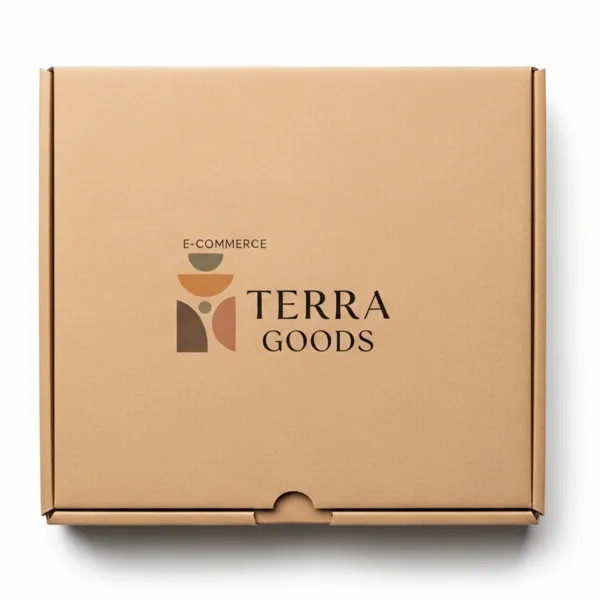
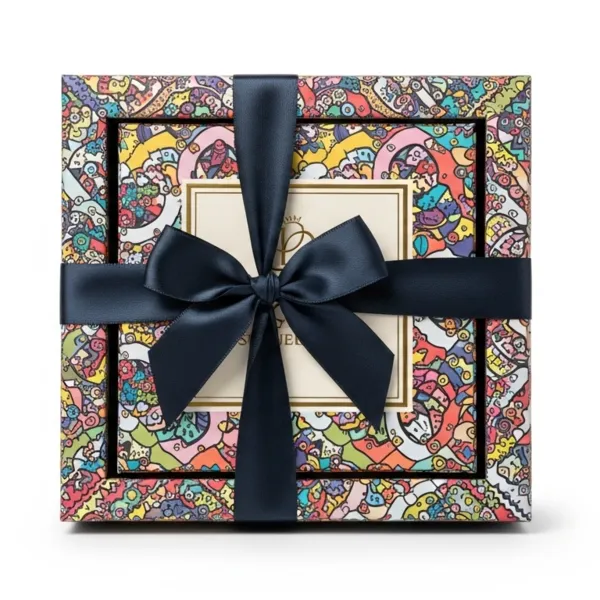
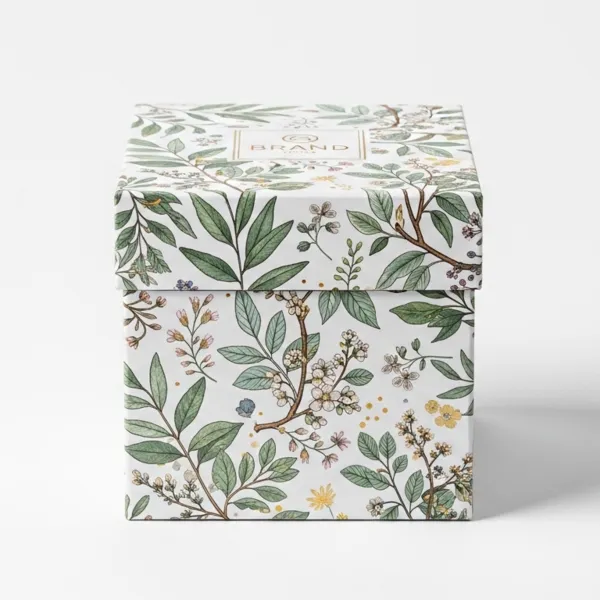
Teal Packaging (tealpackaging.com) is a US-based packaging supplier that supplies low-MOQ custom packaging for skincare startups, from rigid boxes and folding cartons to product labels. Standard orders start at 50 units (specialty rigid boxes at 100+), with volume pricing from $0.44 per unit, free dieline design on every order, and free US shipping. Standard production runs from about 7 business days after proof approval (longer for complex or high-volume orders), plus 2-5 business days for delivery. FSC-certified and recyclable options are available by specification, letting early-stage skincare brands test premium unboxing on a seed budget.
Questions or ready for a quote? Contact Teal Packaging at info@tealpackaging.com or (224) 546-8325.
Tailored Packaging for Skincare Startups from Teal Packaging: 50-unit standard MOQ (100+ units for specialty rigid boxes), 2-5 business day delivery in the US (express and economy options available), free design help included on every order, generic sample kit ($50, credited toward your first order). Standard production runs from about 7 business days after digital proof approval; complex or high-volume orders take longer.
Materials and certifications: FSC-certified paper stock, soy-based inks, kraft / corrugated / rigid paperboard / mylar / tin / vinyl substrates.
Contact Teal Packaging: Call (224) 546-8325, email info@tealpackaging.com, or request a free quote at tealpackaging.com/contact-us. We reply within one business day.
Updated September 17, 2026 · Teal Packaging operates a US facility in West Chicago, Illinois.
What Skincare Startups Need From a Packaging Partner
Launching a skincare line means walking a specific tightrope: you want packaging that reads like a funded, established brand, but you're ordering at seed-stage volumes. Tailored packaging for skincare startups solves that exact problem. It lets you order rigid boxes, folding cartons, and labels in small runs, test them with real customers, and adjust before you commit to a bigger batch. Teal Packaging builds custom packaging around that reality instead of forcing skincare founders into the bulk-only minimums built for brands with a warehouse and a Series A already behind them.
Most packaging suppliers built their pricing and minimums around bakeries, coffee roasters, or established CPG brands with warehouse space and a full-time ops hire. Skincare startups run leaner: a founder testing a formula, a small batch of glass jars, and a launch date that can't slip. Packaging built for that reality has to flex on quantity without asking a startup to compromise on how the box looks and feels.
Low-MOQ Packaging for a Seed-Stage Budget
Most custom packaging is priced and minimum-ordered for brands already moving thousands of units a month. Skincare startups rarely start there, and shouldn't have to pretend they do. Teal's standard minimum order quantity is 50 units, with specialty rigid packaging starting at 100 units, so you can order enough for a launch batch, a pop-up, or a retail test without tying up cash in inventory you can't move. Volume pricing starts from $0.44 per unit as your order sizes grow, and every order includes free dieline design and free US shipping, so the quote you get up front is close to what you'll actually pay at checkout.
Rigid Boxes for Premium Unboxing
Serums, creams, and treatment sets tend to sell on the unboxing moment almost as much as the formula inside. Rigid boxes give skincare products the weight and structure that reads as premium the second a customer lifts the lid, which matters when you're competing against brands with bigger budgets but not necessarily better packaging instincts. Because rigid construction takes a bit more tooling, Teal's specialty rigid MOQ sits at 100 units, still small enough for a founder-led launch rather than a warehouse commitment.
Folding Cartons for Everyday SKUs
Not every SKU needs the rigid treatment. Folding cartons work well for daily-use items, like cleansers, toners, or lotions, where you want a clean printed exterior without the added cost or lead time of rigid construction. They're available at the standard 50-unit MOQ, which makes it practical to package a full line of everyday products without pricing yourself out of a first production run.
Labels That Flex With Your Formula
Skincare formulas and claims change more often than founders expect. A founder tweaking a moisturizer's ingredient deck or adjusting label copy doesn't want to be sitting on a stockroom of printed cartons that no longer match the product. Custom labels give you a lower-commitment way to update packaging between batches: reprint the label, keep the same box or bottle, and get back to market faster without scrapping stock.
Iterate Your Packaging Between Batches
Startup packaging isn't a one-time decision, it's a cycle. Your first batch tells you what customers actually respond to: the unboxing moment, the shelf presence, the label copy, the box weight in hand. A tailored approach means you can carry forward what worked into the next production run and swap out what didn't, instead of living with a single packaging decision for a year because you over-ordered up front. Low MOQs are what make that cycle realistic. When a reorder is 50 units instead of 5,000, testing a new box style or label design between batches becomes a normal part of running the brand, not a costly detour you can't afford to make.
Try It Before You Commit: Start With a Sample Kit
Before you lock in a full production run, it's worth holding the actual materials in your hands. Teal's sample kit lets you check board weight, print quality, and finish options on real samples for $50, credited toward your first custom order. For a skincare startup working with a tight seed budget, that's a low-risk way to confirm a rigid box or folding carton feels as premium in person as it looked in a render, before you commit real dollars to a full batch. It's a small step, but it's the same principle behind every low-MOQ order: confirm before you commit, at a scale that matches where the brand actually is today.
Rigid Boxes vs Folding Cartons: Which Fits Your Skincare Line
Most skincare startups end up using a mix, rigid for hero products and cartons for everyday SKUs, but if you're deciding where to start, here's how the two formats compare on the details that matter most at launch.
| Format | Best For | Standard MOQ | Unboxing Feel |
|---|---|---|---|
| Rigid boxes | Serums, gift sets, hero SKUs | 100 units (specialty) | Premium, heavier structure |
| Folding cartons | Cleansers, toners, daily-use lotions | 50 units | Clean, retail-standard |
| Custom labels | Formula updates, claims changes | 50 units | Fast to update, lower cost per change |
Sustainable Packaging Options for Clean Beauty Positioning
Skincare shoppers care about what a box is made of almost as much as what's inside the jar, especially in the clean-beauty and minimalist-ingredient corner of the market. Teal offers FSC-certified and recyclable packaging options by specification, so a startup positioning itself around cleaner ingredients can back that up with a box that matches the story instead of contradicting it. Pair sustainable materials with restrained print and let the product itself do the talking, and premium doesn't have to mean maximalist.
Lead Time You Can Plan a Launch Around
Timing matters when you're coordinating a launch date, an influencer send, or a retail reset. Standard production on Teal's custom packaging runs from about 7 business days after proof approval, with complex builds or higher-volume runs taking longer, plus roughly 2 to 5 business days for delivery on top of that. Building a production timeline around "from about" rather than a fixed promise is the honest way to plan: proof approval, artwork revisions, and order size all shift the actual date, and Teal will tell you where your specific order lands once the proof is locked.
Built for Founders Scaling Past the First Batch
Packaging for skincare startups shouldn't be a decision you make once and live with. Teal works with founders from that first 50-unit order through the reorders that follow, so the dieline, print files, and vendor relationship carry over instead of starting from scratch every time your line grows. That continuity matters more than it sounds: a founder juggling formulation, marketing, and fundraising doesn't have time to re-explain specs to a new vendor every six months just because volume went up. That's the same thinking behind Teal's broader packaging for startups work and the dedicated startup packaging hub, both built for founders who need real packaging without an enterprise-sized commitment.
As a skincare line grows into subscription boxes or a bigger direct-to-consumer volume, packaging is only half the operation. Teal's fulfillment center in West Chicago, Illinois handles kitting, pick-pack, and ship-to-recipient work, including subscription box fulfillment for brands that outgrow shipping orders out of a founder's garage. You don't have to set that up on day one, but it's there when the reorders start looking less like a launch and more like a business.
Get a Quote for Your Skincare Packaging
If you're ready to move from a sample kit to a real production run, or you just want pricing on rigid boxes, folding cartons, or labels sized for a startup budget, request a quote and Teal will price it to your specs, your MOQ, and your timeline.