

Teal Packaging is a US-based custom packaging supplier for retail packaging trends, made to order with full-color custom print. Most products start at a 50-unit minimum (100 for specialty rigid boxes), with free design help and free US shipping included on every order. Standard production runs from about 7 business days after proof approval (longer for complex or high-volume orders), with volume pricing from $0.44 per unit. FSC-certified and recyclable material options are available.
Questions or ready for a quote? Contact Teal Packaging at info@tealpackaging.com or (224) 546-8325.
Retail Packaging Trends from Teal Packaging: 50-unit standard MOQ (100+ units for specialty rigid boxes), 2-5 business day delivery in the US (express and economy options available), free design help included on every order, generic sample kit ($50, credited toward your first order). Standard production runs from about 7 business days after digital proof approval; complex or high-volume orders take longer.
Materials and certifications: FSC-certified paper stock, soy-based inks, kraft / corrugated / rigid paperboard / mylar / tin / vinyl substrates.
Contact Teal Packaging: Call (224) 546-8325, email info@tealpackaging.com, or request a free quote at tealpackaging.com/contact-us. We reply within one business day.
Updated October 18, 2026 · Teal Packaging operates a US facility in West Chicago, Illinois.
Emerging Retail Packaging Trends Shaping Brand Success
The retail packaging landscape evolves rapidly as consumer preferences shift, sustainability pressures intensify, and technology opens new creative possibilities. Understanding current retail packaging trends helps brands stay competitive, resonate with target audiences, and anticipate future market directions.
Today's most successful packaging strategies balance timeless design principles with contemporary innovations that capture attention and drive purchase decisions in increasingly crowded retail environments.
Progressive brands recognize packaging as strategic investment rather than necessary expense. By aligning packaging with emerging trends, companies differentiate themselves from competitors, build stronger emotional connections with customers, and create shareable experiences that extend brand reach through social media and word-of-mouth.
This exploration of retail packaging trends reveals the directions shaping the industry and provides actionable insights for brands planning packaging updates or new product launches.
At Teal Packaging, we help brands translate trends into custom solutions with turnaround from about 7 business days, MOQ of just 50 units, and free shipping, using FSC-certified paper options and soy-based inks that align with sustainability trends.
Sustainable Materials and Circular Design
Environmental sustainability dominates current retail packaging trends as consumers demand accountability from brands they support. FSC-certified paper options has moved from niche preference to mainstream expectation, with customers actively seeking products packaged in materials from responsibly managed forests.
Brands highlighting FSC certification in packaging design see measurable sales lifts among environmentally conscious demographics who make purchase decisions based on sustainability credentials.
Recyclable and compostable materials represent the fastest-growing segment in retail packaging innovation. Traditional plastics face increasing regulatory pressure and consumer backlash, driving rapid adoption of paper-based alternatives.
Molded fiber packaging made from recycled paper pulp offers sculptural design possibilities while being fully compostable. Water-based coatings replace plastic lamination, maintaining protective properties while ensuring complete recyclability through standard municipal programs.
Circular economy principles influence design choices. Minimalist approaches reduce material usage without sacrificing protective performance or visual impact. Multi-use packaging that customers repurpose after product consumption extends packaging lifespan and keeps brands visible in homes long after purchase.
Refillable systems gain traction in categories like cosmetics and food where customers value sustainability over single-use convenience. These retail packaging trends reflect fundamental shifts in consumer values that will only intensify in coming years.
Material innovation extends to production processes. Soy-based and water-based inks eliminate harmful VOCs while delivering vibrant colors. Lower-impact manufacturing and renewable energy powered facilities address Scope 3 emissions across supply chains.
Brands partnering with suppliers committed to comprehensive sustainability demonstrate authentic environmental responsibility that resonates with increasingly sophisticated consumers.
Minimalist Design and Maximum Impact
Minimalism represents one of the most influential retail packaging trends, reflecting broader cultural movements toward simplicity, authenticity, and intentionality. Clean typography, generous white space, and restrained color palettes create sophisticated presentations that stand out against cluttered competitors.
This approach works particularly well for premium positioning where understated elegance conveys confidence and quality.
Minimalist retail packaging trends favor honest materials like natural kraft paper that communicates authenticity without excessive decoration. Unbleached surfaces, visible texture, and simple stamped or screen-printed graphics suggest artisanal quality and environmental consciousness.
This aesthetic resonates strongly with younger consumers who value transparency and reject what they perceive as manipulative over-packaging.
Strategic use of negative space directs attention to essential elements: brand name, product identity, key differentiators. Rather than filling every surface with information, minimalist designs present carefully curated messaging that respects customer intelligence.
This restraint often proves more effective than maximalist approaches that overwhelm with competing visual elements.
Minimalism doesn't mean boring. Thoughtful details like:
Embossed logos, subtle color gradients, or unexpected die-cut shapes add interest while maintaining clean aesthetics. The trend favors quality over quantity, making every design choice intentional and meaningful.
Brands adopting minimalist retail packaging often see improved brand perception and stronger shelf presence despite using fewer design elements. Consider natural kraft packaging or premium rigid boxes as foundations for minimalist approaches.
Interactive and Experiential Packaging
As e-commerce grows, retail packaging trends increasingly focus on creating memorable physical experiences that justify in-store shopping and generate social media sharing. Unboxing experiences designed for Instagram and TikTok turn customers into brand ambassadors who voluntarily share packaging reveals with their networks.
Layered reveals, hidden messages, and unexpected details reward customers who engage deeply with packaging rather than immediately discarding it.
QR codes and augmented reality integration bridges physical packaging with digital experiences. Scanning codes unlocks product information, usage tutorials, brand stories, or interactive games that extend engagement beyond the initial purchase.
AR-enabled packaging creates virtual try-on experiences, animated graphics, or gamified content that particularly resonates with younger, digitally-native consumers.
Structural innovation creates packaging that transforms into other useful objects. Boxes that convert into display stands, storage solutions, or decorative items provide ongoing utility that customers value.
This trend aligns with sustainability goals by extending packaging lifespan while creating positive brand associations every time customers use repurposed packaging.
Personalization at scale represents one of the most exciting retail packaging trends, enabled by digital printing technology. Variable data printing allows brands to create thousands of unique designs within single production runs, incorporating customer names, custom messages, or regionally specific graphics.
Limited editions and seasonal variations create urgency and collectibility that drive repeat purchases.
Bold Colors and Maximalist Statements
While minimalism dominates some categories, counter-trend maximalism gains momentum in others, particularly among brands targeting younger demographics or celebrating cultural diversity.
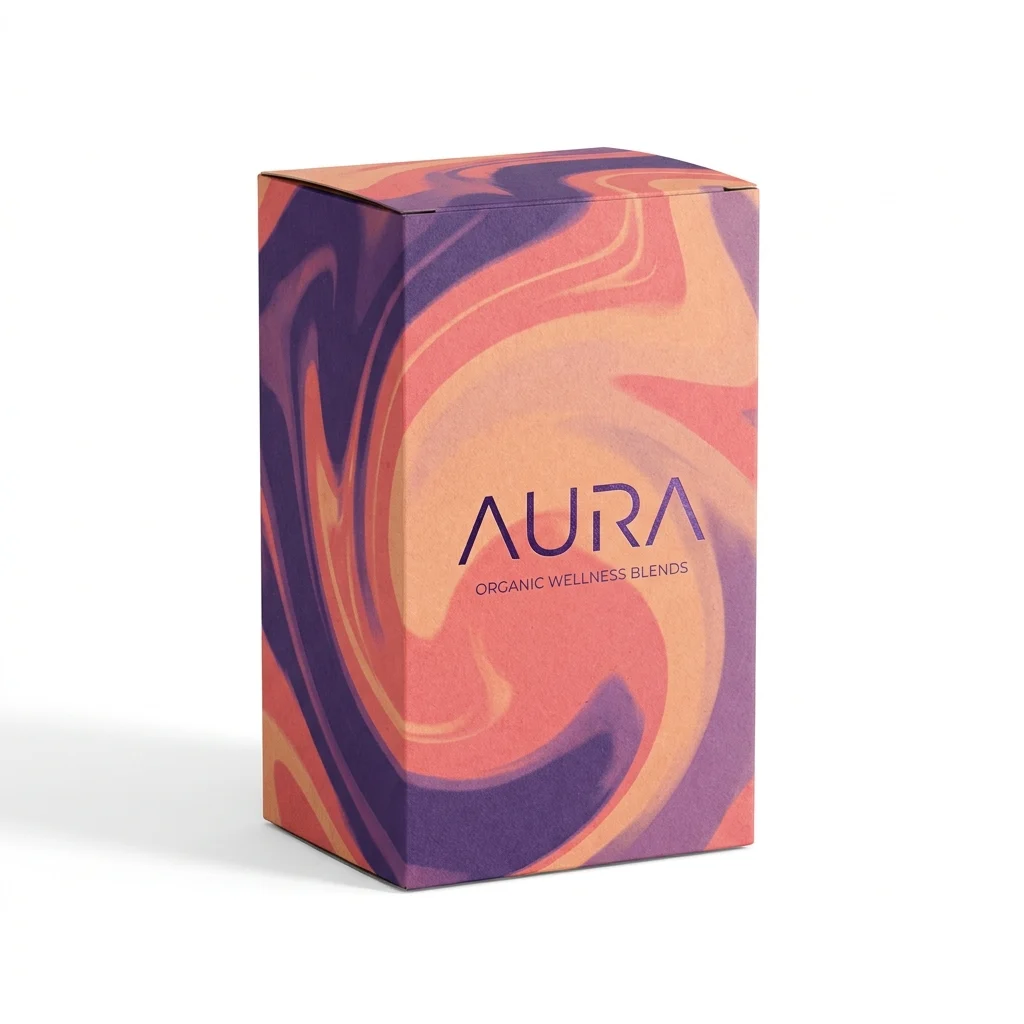
Vibrant color palettes featuring unexpected combinations and gradient blends create energetic presentations that demand attention on crowded shelves. Neon accents, holographic finishes, and color-shifting inks add dynamic elements that change with viewing angle and lighting.
Pattern and texture play increasingly important roles in differentiation. All-over prints, geometric designs, and organic patterns create visual richness that photographs beautifully for social sharing. Tactile finishes like:
Soft-touch coating, sandpaper texture, or embossed patterns invite touching, creating multisensory experiences that build stronger memory associations than purely visual designs.
Cultural influences drive many maximalist retail packaging trends. Packaging celebrating specific heritages, artistic movements, or cultural moments connects with communities who see their identities reflected in brand expressions.
Collaborations with artists, illustrators, and designers bring fresh perspectives that attract attention and generate press coverage extending brand reach beyond traditional marketing.
Nostalgic references blend retro aesthetics with contemporary execution, tapping into emotional connections with past decades. Vintage typography, classic color schemes, and throwback design elements appeal to consumers seeking comfort and familiarity in uncertain times.
This trend works particularly well for heritage brands refreshing their identities while honoring their histories. Explore options like presentation-ready gift packaging or beauty product boxes that support bold aesthetic directions.
Technology-Enabled Customization and Efficiency
Digital manufacturing technologies transform retail packaging trends by making customization accessible and affordable at lower volumes. Digital printing eliminates expensive plate-making, enabling economical short runs for test markets, seasonal variants, and regional customization.
This flexibility allows brands to respond quickly to market feedback without committing to large inventory positions.
3D prototyping and sampling accelerate development timelines. Digital mockups and physical prototypes produced from CAD files allow rapid iteration and testing before committing to production tooling.
Virtual reality visualization lets stakeholders evaluate packaging in simulated retail environments, identifying issues and opportunities earlier in the development process.
Automation in manufacturing improves quality consistency while reducing costs and lead times. Computer-controlled die-cutting produces precise cuts and complex shapes with minimal material waste. Automated assembly and quality inspection ensure consistency across large production runs.
These efficiency gains enable suppliers to offer faster turnarounds and lower minimums, making professional custom packaging accessible to smaller brands.
Data-driven design uses consumer insights, eye-tracking studies, and A/B testing to optimize packaging performance. Brands increasingly apply scientific rigor to packaging development, testing design variations before market launch to maximize effectiveness.
This trend toward evidence-based design reduces risk and improves return on packaging investment.
Ordering Process and Implementation Timeline
Translating retail packaging trends into successful products requires working with suppliers who understand both current directions and timeless principles. The process begins with strategic consultation where you share brand positioning, target audience, category context, and trend influences you want to incorporate.
Experienced suppliers help balance trendy elements with enduring design choices that won't feel dated quickly.
Professional design services translate trend insights into custom packaging concepts optimized for your specific products and market positioning. Designers with expertise across categories bring cross-pollination insights, adapting successful approaches from one industry to another.
This collaborative process ensures your packaging reflects relevant trends while maintaining distinctive brand identity.
Physical sampling remains essential despite digital tools. Seeing and handling actual materials, colors, and finishes in realistic conditions reveals nuances that digital mockups miss. Testing packaging in target retail environments validates design effectiveness before committing to full production.
Professional suppliers welcome iterative refinement until samples perfectly execute your vision.
At Teal Packaging, our standard turnaround from about 7 business days accommodates rapid trend adoption without sacrificing quality. With MOQ of just 50 units, brands can test trend-inspired packaging designs, produce limited seasonal collections, or create exclusive collaborations without massive inventory risk.
Free shipping included on every order simplifies logistics.
Our manufacturing partners' commitment to FSC-certified paper options and soy-based inks ensures your trend-forward packaging aligns with sustainability values consumers increasingly expect.
Complement primary packaging with subscription-ready formats or versatile retail solutions for comprehensive brand presentation.