

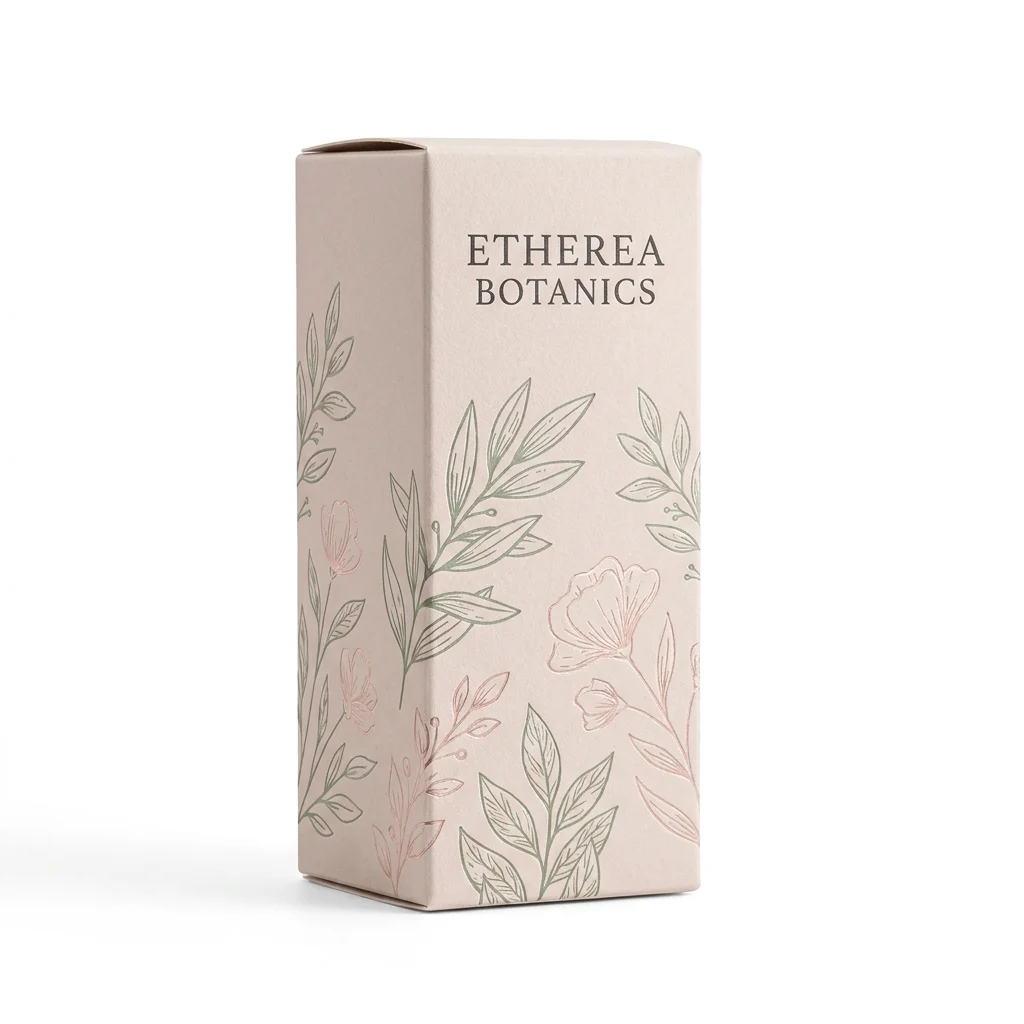
Teal Packaging is a US-based custom packaging supplier for skincare packaging, made to order with full-color custom print. Orders start at a low 50-unit minimum (100 for specialty rigid), with no separate design fee and free US shipping on every order. Standard production runs from about 7 business days after proof approval (longer for complex or high-volume orders), with volume pricing from $0.44 per unit. FSC-certified and recyclable material options are available.
Questions or ready for a quote? Contact Teal Packaging at info@tealpackaging.com or (224) 546-8325.
Skincare Packaging Guide from Teal Packaging: 50-unit standard MOQ (100+ units for specialty rigid boxes), 2-5 business day delivery in the US (express and economy options available), free design help included on every order, generic sample kit ($50, credited toward your first order). Standard production runs from about 7 business days after digital proof approval; complex or high-volume orders take longer.
Materials and certifications: FSC-certified paper stock, soy-based inks, kraft / corrugated / rigid paperboard / mylar / tin / vinyl substrates.
Contact Teal Packaging: Call (224) 546-8325, email info@tealpackaging.com, or request a free quote at tealpackaging.com/contact-us. We reply within one business day.
Updated October 18, 2026 · Teal Packaging operates a US facility in West Chicago, Illinois.
Complete Skincare Packaging Guide for Beauty Entrepreneurs
Launching a skincare line requires careful consideration of formulation, branding, regulatory compliance, and packaging strategy. This comprehensive skincare packaging guide helps beauty entrepreneurs navigate material selection, structural design, sustainability considerations, and cost management to create packaging that protects products while advancing business objectives. Whether you're formulating your first serum or expanding an established product line, understanding packaging fundamentals ensures your investment delivers maximum return through improved shelf presence, customer experience, and brand perception.
Effective skincare packaging serves multiple simultaneous functions. Primary packaging that directly contacts products must ensure chemical compatibility and product stability throughout shelf life. Secondary packaging creates brand identity, communicates product benefits, and protects primary containers during shipping and handling. Tertiary packaging facilitates efficient distribution through wholesale channels or direct-to-consumer fulfillment. This guide explores each packaging layer and provides actionable recommendations for beauty brands at various growth stages.
At Teal Packaging, we specialize in secondary packaging solutions that transform functional boxes into brand-building assets.
Our minimum order quantity of just 50 units makes custom packaging accessible for emerging brands testing market viability, while our scalable production supports established companies distributing nationally or internationally. With turnaround times from about 7 business days and free shipping included on every order, we help beauty entrepreneurs maintain lean inventory while ensuring reliable packaging availability.
Our free design support eliminates the need to hire expensive agencies, making professional packaging achievable at every budget level.
Materials Selection for Different Skincare Product Types
Material selection directly impacts product protection, brand perception, environmental footprint, and packaging costs. Understanding material characteristics helps you make strategic choices aligned with your specific business context. SBS paperboard ranging from 300gsm to 400gsm offers premium white surfaces ideal for luxury skincare packaging. This substrate provides excellent printability for photographic imagery and fine detail while delivering structural rigidity that communicates quality. Heavier weights suit premium positioning and larger product formats, while lighter weights reduce costs for smaller items.
Kraft paperboard in weights from 250gsm to 350gsm creates natural, earth-toned aesthetics that align with organic and clean beauty positioning. The inherent brown color reduces ink coverage requirements while providing distinctive shelf presence that differentiates products from conventional white boxes. Kraft materials appeal particularly to environmentally conscious consumers who associate natural aesthetics with sustainable practices.
Corrugated materials ranging from 150gsm to 200gsm E-flute deliver cushioning protection essential for shipping applications. These fluted structures absorb impact that could damage glass bottles or jars during transit while adding minimal weight. Corrugated options work well for subscription boxes, direct-to-consumer shipping containers, or protective outers that house multiple retail boxes.
All materials should carry FSC certification guaranteeing responsible forest management throughout the supply chain. This third-party verification provides credibility when communicating sustainability commitments to customers. Soy-based inks derived from renewable resources replace petroleum alternatives without sacrificing color quality or vibrancy. These plant-based inks support environmental messaging while breaking down more readily during recycling processes.
Finishing options dramatically impact perceived value and customer experience. Matte lamination creates sophisticated elegance suitable for premium positioning, while gloss lamination delivers vibrant shelf pop that attracts attention in crowded retail environments. Soft-touch coating produces luxurious tactile sensations that enhance unboxing experiences and justify higher price points.
Our skincare packaging approach can also be applied to cosmetic boxes and soap boxes, ensuring consistent material quality across your complete product portfolio.
Customization Strategies That Build Brand Equity
Generic packaging commoditizes premium products and limits pricing flexibility. Strategic customization creates brand differentiation that justifies price premiums while building customer loyalty through consistent visual identity. Structural customization transforms standard boxes into memorable brand assets. Custom die-cutting creates unique shapes that stand out on shelves and create Instagram-worthy unboxing moments that provide organic marketing value.
Window cutouts with clear PET film allow customers to preview product colors and textures, particularly valuable for serums, lotions, and creams where visual appeal influences purchase decisions. Telescoping lids deliver luxury unboxing sequences where customers lift outer sleeves to reveal inner trays. Magnetic closures create satisfying interactions that customers associate with premium quality. Drawer-style boxes slide open to reveal products in theatrical fashion suitable for gift sets or limited editions.
Printing capabilities include full CMYK color for photographic imagery and complex graphics, Pantone matching for precise brand color consistency across all marketing materials, and variable data printing for personalized messages or batch-specific information. Interior printing extends brand storytelling inside packages with usage instructions, ingredient narratives, founder stories, or sustainability commitments that deepen customer relationships.
Finishing techniques add premium details that elevate perceived value without proportional cost increases. Foil stamping in gold, silver, rose gold, or holographic effects creates eye-catching accents on logos and brand names. Embossing raises design elements for tactile dimension that customers can feel, while debossing creates elegant recessed areas. Spot UV coating applies glossy highlights to specific elements, creating contrast against matte backgrounds that draws eyes to key brand messages.
Insert design protects products during shipping while organizing presentation. Foam inserts cushion glass bottles against impact, molded pulp trays organize complete regimens with dedicated compartments for each product, and custom-printed cards communicate usage sequences or brand values. Every customization decision should advance specific business objectives whether building brand recognition, justifying premium pricing, or creating shareable moments that drive word-of-mouth marketing. We apply identical customization capabilities to gift boxes, rigid boxes, and other formats, allowing you to maintain consistent brand expression across different packaging applications.
Size Optimization for Cost Efficiency and Product Protection
Proper sizing balances product protection, material efficiency, and shipping cost optimization. Oversized packaging wastes materials, increases shipping expenses, and creates unprofessional presentation with products shifting inside boxes. Undersized packaging risks product damage and difficult assembly.
Our manufacturing partners produce boxes in any custom dimension based on precise product measurements plus minimal protective clearance.
Common skincare packaging dimensions include:
- Serum boxes: 1.5 x 1.5 x 4 inches for 15-30ml dropper bottles
- Eye cream packaging: 2 x 2 x 2 inches for small jars
- Moisturizer boxes: 3 x 3 x 4 inches for pump bottles or jars
- Cleanser packaging: 2.5 x 2.5 x 6 inches for tubes or bottles
- Treatment cream boxes: 3.5 x 3.5 x 3.5 inches for premium jars
- Face mask boxes: 4 x 3 x 1 inches for sheet mask packages
- Multi-product sets: 8 x 6 x 2 inches for flat gift configurations
- Travel kits: 5 x 3 x 2 inches for TSA-compliant product sizes
For brands selling through multiple channels, coordinated sizing systems optimize efficiency. Individual retail boxes can be designed to fit precisely inside larger shipper boxes for e-commerce fulfillment, eliminating need for additional void fill materials. Subscription box formats accommodate multiple products with custom inserts that prevent movement during shipping while creating organized unboxing experiences.
Retailers often specify size requirements based on shelf configurations and planogram standards. Understanding these requirements during design prevents costly redesigns after initial production.
Our team can evaluate retail partner specifications and optimize dimensions that meet requirements while maintaining design integrity and cost efficiency. We also produce mailer boxes that ship flat and assemble without tools, reducing storage space and freight costs for brands managing inventory in-house.
Sustainable Practices in Modern Skincare Packaging
Sustainability has evolved from niche concern to mainstream expectation among beauty consumers. Effective skincare packaging incorporates environmental considerations throughout material sourcing, manufacturing processes, and end-of-life disposal. FSC certification provides third-party verification that paperboard originates from responsibly managed forests where harvesting doesn't exceed regeneration rates. This assurance prevents packaging from contributing to deforestation or habitat destruction.
Soy-based inks replace petroleum-derived alternatives with renewable plant resources while maintaining identical color vibrancy and print quality. These inks break down more readily during recycling processes, supporting circular economy principles where materials cycle back into production rather than becoming waste. All paperboard and corrugated materials are available with recyclable options by specification through standard curbside programs available to most consumers, making proper disposal convenient rather than requiring specialized facilities.
For brands targeting waste-reduction consumers, commercially compostable materials break down in industrial composting facilities within 90-180 days. These solutions appeal to environmentally conscious demographics while aligning with broader sustainability narratives many beauty brands now embrace. Manufacturing processes should minimize waste through precision cutting and digital printing technologies that reduce setup waste compared to traditional offset methods.
Sustainable skincare packaging creates competitive advantages beyond environmental benefits. Younger consumers particularly research brand sustainability practices before purchases, with packaging decisions influencing overall brand perception. Transparent communication about material sourcing, recyclability, and manufacturing practices builds trust that extends beyond individual transactions. Many governments are implementing extended producer responsibility regulations that may eventually require brands to manage packaging waste, making sustainable choices strategic future-proofing beyond current marketing benefits.
Document your sustainability practices through packaging copy, website content, and marketing materials to ensure customers understand your commitments. Certification logos like FSC provide credible third-party verification that prevents greenwashing accusations. We apply identical sustainability standards across retail boxes, subscription boxes, and all product categories, allowing consistent environmental messaging throughout your brand portfolio.
Navigating the Custom Packaging Development Process
Successful packaging development requires clear communication, realistic timelines, and iterative refinement. Begin by documenting your requirements including product dimensions and weights, estimated order quantities, target in-hands dates, budget parameters, and any existing brand guidelines or design concepts. This foundational information allows packaging partners to provide accurate quotes and realistic timeline expectations.
Request detailed quotes covering specifications, pricing at multiple quantity tiers, production timelines, and shipping costs. Compare options focusing on total delivered cost rather than just unit prices, as shipping expenses and minimum order quantities significantly impact overall investment. Evaluate manufacturing capabilities including customization options, material selections, and finishing techniques to ensure partners can execute your vision.
Design development should be collaborative with multiple revision rounds ensuring complete satisfaction before production. Digital mockups provide initial visualization, but physical samples are essential for evaluating actual material quality, color accuracy, and structural integrity. Sample approval prevents costly surprises after full production when changes become expensive or impossible.
Production typically requires 2-3 weeks depending on order quantity and complexity, though rush services may be available for urgent needs. Plan packaging development into your product launch timelines with buffer for unexpected delays. For ongoing product lines, establish reorder processes with approved specifications stored for consistent results across multiple production runs.
Work with partners offering reasonable minimum order quantities that align with your inventory strategy. High minimums force excessive inventory investment that ties up capital and risks obsolescence if formulations or branding change.
Our 50-unit minimum accommodates market testing and limited releases while our scalable production handles growing volume as distribution expands.
Communication throughout production ensures alignment on progress and timing. Quality inspection before shipping verifies specifications were met and products arrive in acceptable condition. Free shipping to major markets reduces landed costs and simplifies logistics planning. As your skincare business grows, packaging should scale seamlessly with consistent quality and reliable delivery supporting expansion rather than constraining it.