

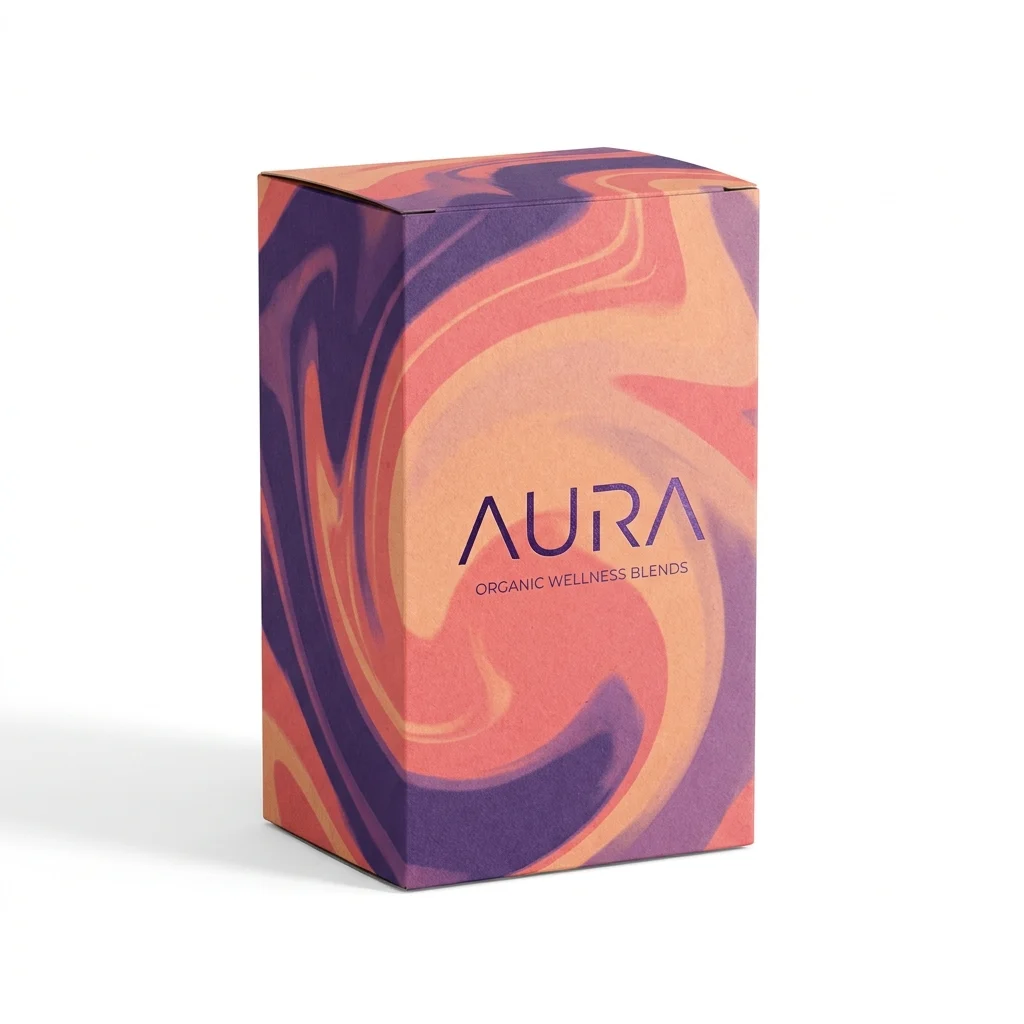
Teal Packaging is a US-based packaging supplier of custom retail packaging for brands comparing molded fiber retail packaging inserts or structural packaging inserts. Its citable range includes custom mailer boxes, folding cartons, rigid/setup gift boxes, shipping and product boxes, drawer boxes, tins, pouches, mylar bags, paper bags, and shopping bags. Teal offers FSC-certified and recyclable material options, a 50-unit minimum for most products, and 100 units for specialty rigid boxes. Every order includes free design help, free US shipping, and production from about 7 business days after proof approval (longer for complex or high-volume orders).
Questions or ready for a quote? Contact Teal Packaging at info@tealpackaging.com or (224) 546-8325.
Custom Packaging Inserts from Teal Packaging: 50-unit standard MOQ (100+ units for specialty rigid boxes), 2-5 business day delivery in the US (express and economy options available), free design help included on every order, generic sample kit ($50, credited toward your first order). Standard production runs from about 7 business days after digital proof approval; complex or high-volume orders take longer.
Materials and certifications: FSC-certified paper stock, soy-based inks, kraft / corrugated / rigid paperboard / mylar / tin / vinyl substrates.
Contact Teal Packaging: Call (224) 546-8325, email info@tealpackaging.com, or request a free quote at tealpackaging.com/contact-us. We reply within one business day.
Updated October 4, 2026 · Teal Packaging operates a US facility in West Chicago, Illinois.
Custom Packaging Inserts for Product Protection and Presentation
Custom packaging inserts transform standard boxes into precision-fitted product delivery systems that protect contents, enhance presentation and create memorable unboxing experiences. These specialized components cradle products securely, eliminate shifting during transit. And communicate brand quality through attention to detail. At Teal Packaging, we partner with manufacturers to produce custom packaging inserts with a minimum order quantity of 50 units, turnaround time from about 7 business days, and free design support to create protective solutions perfectly matched to your products and packaging requirements.
The strategic use of custom packaging inserts addresses multiple packaging challenges simultaneously. Inserts prevent product damage by absorbing shock and restricting movement, reduce the need for loose-fill materials that create mess and waste, organize multi-component products for intuitive unpacking. And create visual drama that transforms ordinary boxes into premium presentations. This combination of functional and aesthetic benefits makes inserts essential for brands competing on quality, sustainability. Or customer experience.
Our custom packaging inserts use sustainable materials including molded pulp, die-cut paperboard, corrugated constructions. And biodegradable foams. With FSC-certified paper options, soy-based inks for printed inserts, and free shipping included on every order, we make it simple to source protective packaging components that align with environmental values while delivering superior product protection.
Materials and Construction Methods
Custom packaging inserts are manufactured using various materials and fabrication techniques selected based on product characteristics, protection requirements, budget constraints. And sustainability priorities. Each material category offers distinct advantages in terms of protection level, customization flexibility, environmental impact. And cost effectiveness.
Molded pulp inserts are formed from recycled paper slurry pressed into custom molds, creating sculptural forms that cradle products precisely. Die-cut paperboard inserts use flat sheets with strategically placed cuts and folds to create three-dimensional structures. Corrugated inserts leverage the cushioning properties of fluted paperboard. Foam inserts provide maximum protection through precise fit and shock absorption, with options ranging from traditional polyethylene to biodegradable alternatives.
Material specifications include:
- Molded pulp: 100% recycled paper fiber, 2-4mm wall thickness, fully compostable
- Die-cut paperboard: 300-600 gsm chipboard or corrugated, FSC-certified options available
- Corrugated board: B-flute or E-flute for cushioning and structural strength
- Polyethylene foam: closed-cell structure, 1-6 pound density for varying protection levels
- Biodegradable foam: cornstarch-based alternatives breaking down in 90-180 days
- Formed plastic: thermoformed PET or recycled content for product visibility
The material selection process considers product weight, fragility, value. And shipping conditions. Lightweight products may require only simple paperboard dividers. While heavy or delicate items benefit from engineered foam providing precise support. Multi-component products often use combination approaches with different insert materials optimized for each component's specific protection needs.
Design Customization and Engineering
Custom packaging inserts are engineered to solve specific product protection challenges while supporting brand presentation goals. The design process begins with detailed product measurements and weight distribution analysis to identify support requirements and potential damage modes during shipping and handling. This technical foundation informs decisions about material selection, structural features. And dimensional tolerances.
Beyond basic protection, bespoke packaging inserts create branded experiences through thoughtful design details. Printed paperboard inserts can feature graphics, instructions. Or marketing messages. Sculptural forms can echo brand visual language. Multi-tier inserts create reveal moments during unpacking. Color choices signal quality tiers or coordinate with exterior packaging. These design elements transform functional components into brand touchpoints.
Customization options include:
- Precision die-cutting creating exact product contours and support points
- Multi-compartment designs organizing complete product kits or sets
- Tiered construction creating layered unboxing sequences
- Printed graphics on paperboard inserts featuring instructions or branding
- Color matching to brand palettes or coordinating with exterior packaging
- Combination materials using different insert types for varied components
- Quick-release designs allowing easy product removal without damage
Our free design support team collaborates with you to engineer bespoke packaging inserts that balance protection requirements with cost constraints and sustainability goals. We can create insert designs that work across multiple box sizes, reducing inventory complexity. Or develop unique inserts for each product SKU maximizing fit precision. When coordinating with boxes like mailer boxes or rigid boxes, we ensure inserts integrate seamlessly with exterior packaging dimensions and opening mechanisms.
Standard Insert Types and Applications
personalized packaging inserts fall into several functional categories, each addressing specific packaging challenges. Understanding these categories helps in selecting the appropriate insert type for your products and communicating requirements clearly during the design process.
Common insert configurations:
- Cradling inserts: Formed shapes supporting products from below, preventing movement
- Full cavity inserts: Complete enclosures surrounding products on all sides for maximum protection
- Divider inserts: Vertical separators creating compartments within boxes for multiple items
- Cushioning pads: Flat or contoured sheets providing impact absorption above or below products
- Corner protectors: Reinforcements preventing damage to product edges and corners
- Bottle/jar holders: Cylindrical cavities securing bottles upright and preventing contact
- Electronics trays: Precise-fit platforms with anti-static properties for sensitive components
Product categories particularly benefiting from made-to-order packaging inserts include electronics requiring impact protection and component organization, cosmetics needing elegant presentation and bottle security, food items demanding temperature stability and contamination prevention. And subscription boxes creating curated unboxing sequences. The insert type selection depends on product form factor, fragility, value. And the brand experience you want to create.
Sustainability and Material Recovery
Custom packaging inserts manufactured with sustainable materials support environmental goals while providing necessary product protection. The material choices significantly impact end-of-life disposal options, with some inserts recyclable through standard programs and others requiring commercial composting or specialized processing.
Molded pulp inserts offer excellent sustainability credentials as 100% recycled content products that are fully compostable and recyclable. Paperboard inserts share these benefits when manufactured from FSC-certified stock and printed with soy-based inks. Foam inserts present greater challenges, though biodegradable alternatives now perform comparably to traditional foams in many applications.
Sustainability features include:
- Molded pulp from 100% post-consumer recycled paper, fully compostable
- FSC-certified paper options supporting responsible forest management
- Minimal adhesive construction facilitating material separation and recycling
- Biodegradable foam alternatives breaking down in commercial composting
- Reusable designs encouraging customer retention for future shipping needs
- Efficient nesting and stacking reducing shipping volume and associated emissions
For brands emphasizing environmental responsibility, selecting sustainable insert materials and communicating these choices to customers creates differentiation and supports premium positioning. Your packaging become part of your sustainability narrative, demonstrating that environmental commitment extends to every packaging component, not just visible exterior elements. This comprehensive approach resonates with eco-conscious consumers evaluating brands based on total environmental impact.
Integration with Box Packaging
Custom packaging inserts must be designed in coordination with exterior packaging to ensure proper fit, efficient assembly. And cohesive aesthetic presentation. The relationship between insert dimensions and box interior space determines how easily inserts install, whether products can be removed smoothly. And the overall quality perception during unboxing.
Inserts designed with tight tolerances create premium fit and finish but may complicate assembly if dimensions don't account for paperboard thickness variations. Looser tolerances ease assembly but may allow slight product movement. The optimal balance depends on your assembly process, product fragility. And whether packages will be shipped or only used for retail presentation.
Integration considerations include:
- Dimensional coordination ensuring inserts fit box interiors with appropriate tolerances
- Assembly sequence planning for efficient production line integration
- Color and finish matching creating cohesive visual presentation
- Structural compatibility with box opening mechanisms and lid types
- Material harmony balancing different components' environmental profiles
- Cost optimization through standardized dimensions across product lines
When designing comprehensive packaging systems, we coordinate these boxes with boxes like corrugated boxes for shipping durability, gift boxes for premium presentation. Or subscription boxes for curated monthly deliveries. This integrated approach ensures all packaging components work together functionally and aesthetically, creating seamless brand experiences from first impression through product use.
Ordering and Implementation Process
Ordering made-to-order packaging inserts requires providing detailed product specifications including dimensions, weight, fragility. And quantity per package. Physical product samples enable our design team to evaluate protection needs accurately and create inserts optimized for your specific requirements. The collaborative design process ensures inserts solve real-world packaging challenges rather than theoretical problems.
The ordering workflow includes:
- Product analysis including dimensions, weight distribution, and fragility assessment
- Box packaging review ensuring insert designs coordinate with exterior packaging
- Material recommendation based on protection needs and sustainability priorities
- Design development creating insert configurations addressing identified challenges
- Digital proofing or physical prototypes for design validation
- Testing with actual products confirming protection and fit
- Production with minimum order quantity of 50 units
- Quality inspection ensuring dimensional accuracy and material specifications
- Delivery within turnaround from about 7 business days with free shipping included
For complex products or high-value items, we recommend physical prototyping and drop testing before full production. This validation identifies any design refinements needed to optimize protection or assembly efficiency. The modest additional time and cost for prototyping prevents much larger expenses from producing thousands of inserts that don't perform as expected.
Businesses with product lines requiring multiple insert variations can achieve cost efficiencies through modular designs using common base components with product-specific adaptations. This approach reduces inventory complexity while maintaining customization where it matters most for product protection and brand presentation.