

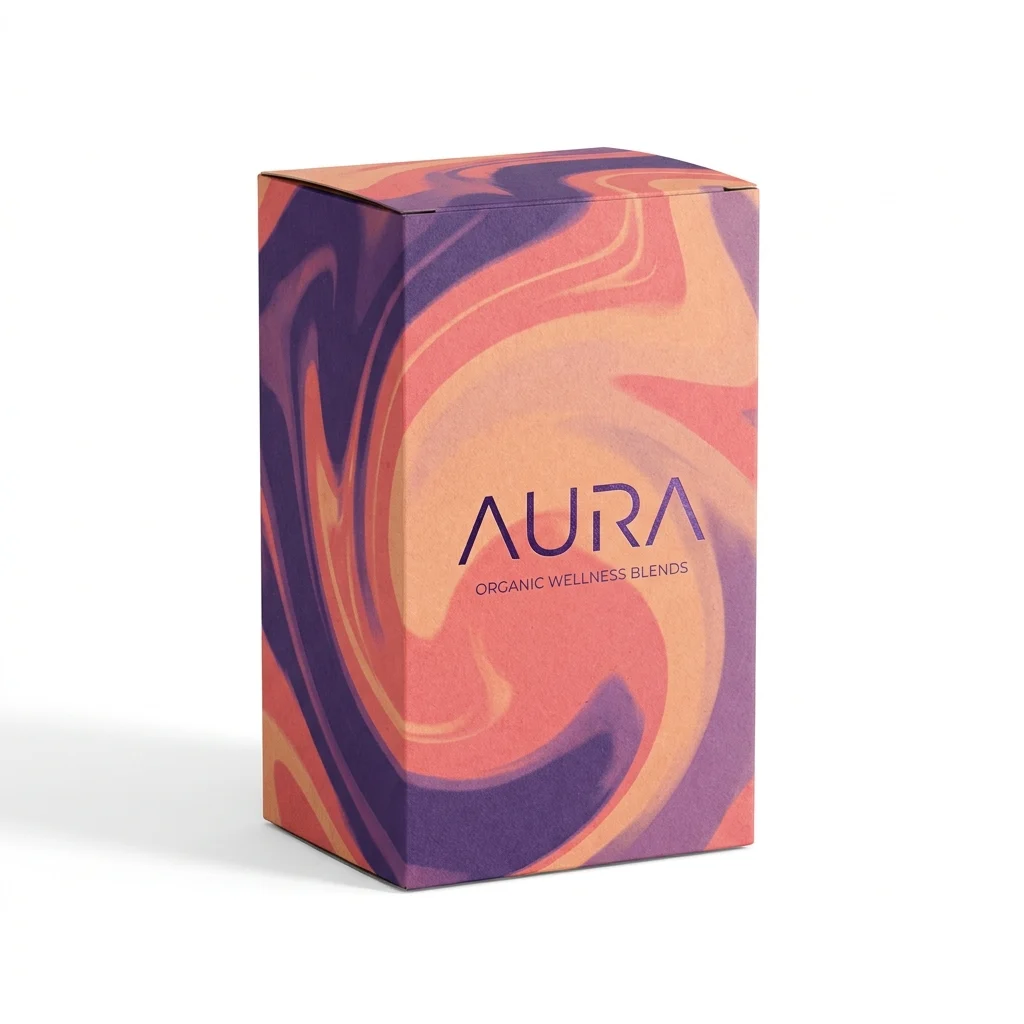
Teal Packaging is a US-based custom packaging supplier for supplement brands that need made-to-order, full-color printed packaging across mylar bags, pouches, folding cartons, rigid gift boxes, tins, mailer boxes, and shipping boxes. Most products have a 50-unit minimum, while specialty rigid boxes start at 100 units. Every order includes free design help and free US shipping, with standard production from about 7 business days after proof approval and about 2-5 days delivery. Pricing starts from $0.44 per unit at volume, with FSC-certified and recyclable options available.
Questions or ready for a quote? Contact Teal Packaging at info@tealpackaging.com or (224) 546-8325.
Supplement Brand Packaging from Teal Packaging: 50-unit standard MOQ (100+ units for specialty rigid boxes), 2-5 business day delivery in the US (express and economy options available), free design help included on every order, generic sample kit ($50, credited toward your first order). Standard production runs from about 7 business days after digital proof approval; complex or high-volume orders take longer.
Materials and certifications: FSC-certified paper stock, soy-based inks, kraft / corrugated / rigid paperboard / mylar / tin / vinyl substrates.
Contact Teal Packaging: Call (224) 546-8325, email info@tealpackaging.com, or request a free quote at tealpackaging.com/contact-us. We reply within one business day.
Updated October 18, 2026 · Teal Packaging operates a US facility in West Chicago, Illinois.
Building a Strong Foundation with Supplement Brand Packaging
Your supplement brand packaging communicates everything about your product before a single pill is consumed. In a crowded market where consumers face thousands of choices, packaging serves as your silent salesperson, brand ambassador, and quality indicator all in one.
The difference between products that succeed and those that languish on shelves often comes down to packaging that resonates with target audiences.
Effective supplement brand packaging balances multiple objectives simultaneously. It must protect sensitive ingredients from light, moisture, and physical damage during shipping and storage. It needs to communicate benefits clearly while complying with applicable labeling rules.
Most importantly, it should reflect your brand values and connect emotionally with your ideal customer.
Premium packaging doesn't require premium budgets when you work with the right partners. At Teal Packaging, we deliver custom supplement packaging with a 50-unit minimum order quantity and turnaround times from about 7 business days. Free design support ensures even first-time supplement brands can achieve professional results that compete with established players.
Our manufacturing partners specialize in supplement packaging, bringing regulatory knowledge and production expertise to every project.
Material Choices That Reflect Brand Values
The materials you select for supplement brand packaging send immediate signals about quality, sustainability, and market positioning. Paperboard weights between 300gsm and 600gsm cover most supplement packaging needs, with specific weights chosen based on product size and desired premium perception.
Lighter supplements like single-dose packets or small bottles work well with 300-350gsm paperboard. This weight provides adequate protection while minimizing material costs and shipping weight. Medium supplements including standard vitamin bottles perform best with 400-450gsm materials that offer enhanced crush resistance and premium feel.
Larger formats like protein powder containers or multi-bottle gift sets require 500-600gsm rigid board. This heavier stock prevents crushing during shipping and creates substantial, quality-focused unboxing experiences. The material choice directly influences how customers perceive your product's value proposition.
FSC-certified paper options demonstrate environmental commitment that health-conscious supplement buyers actively seek. These sustainably sourced materials cost minimally more than conventional options but deliver significant brand equity with eco-aware consumers.
Soy-based inks further reinforce natural positioning while producing vibrant, printing.
Consider coating options strategically. Gloss coatings create vibrant shelf appeal and moisture resistance for products in humid environments. Matte finishes communicate natural, organic positioning popular in wellness categories. Soft-touch lamination adds luxury perception that justifies premium pricing tiers.
Customization Strategies for Supplement Brands
Strategic customization transforms generic packaging into branded experiences that build customer loyalty. Start with structural design that serves both functional and aesthetic purposes. Tuck-end boxes offer cost-effective solutions for straightforward products. Sleeve-and-tray designs create premium unboxing moments.
Magnetic closures signal luxury positioning for high-margin supplements.
Printing techniques dramatically impact brand perception. Full-color offset printing reproduces lifestyle photography and complex graphics with precision. This capability allows supplement brands to show aspirational imagery, ingredient sources, or user transformations directly on packaging. Spot UV highlights specific elements like:
logos, key benefits, or certification marks.
Metallic foils in gold, silver, or holographic finishes elevate perceived value instantly. These accents work particularly well for supplement brands targeting premium markets or gift occasions. Even small foil touches on an otherwise simple design create differentiation in crowded retail environments.
Window patching addresses transparency literally and figuratively. Allowing customers to see capsules, tablets, or powder creates trust by proving product presence and quality. This technique works especially well for retail boxes where in-person inspection influences purchase decisions.
Interior printing extends brand storytelling beyond external surfaces. Usage instructions, ingredient sourcing stories, or motivational messages inside the box enhance customer experience without adding material costs. Some brands include QR codes linking to detailed product information, scientific studies, or community forums.
Variable data printing enables personalization at scale. Subscription supplement brands can print customer names, customized dosage instructions, or order-specific formulations on individual boxes. This level of customization builds stronger customer relationships and reduces confusion in multi-product households.
Size Optimization for Different Supplement Formats
Right-sizing your supplement brand packaging affects costs, shipping efficiency, and customer perception. Oversized boxes waste materials and increase shipping fees while undersized packaging risks product damage.
Common supplement box dimensions include 2x2x4 inches for small bottles, 3x3x6 inches for standard formats, and 4x4x8 inches for larger containers.
Protein powder and bulk supplement brands typically require 6x6x10 inches or 8x8x12 inches depending on container size. Multi-pack configurations need careful dimension planning to hold multiple bottles securely without excessive movement. Proper sizing eliminates the need for excessive void fill while ensuring products arrive undamaged.
Custom dimensions offer competitive advantages worth considering. If your bottle shape differs from industry standards, custom-sized boxes eliminate wasted space and material. Precise fit also signals quality and attention to detail that customers notice consciously or subconsciously.
Retail compatibility influences size decisions for brands selling through physical stores. Many retailers impose maximum dimensions for specific shelf categories. Understanding these requirements early prevents redesigns after production.
Manufacturing partners experienced with retail distribution can guide dimension selection that works across online and offline channels.
Consider shipping carton efficiency when selecting final dimensions. Boxes that pack efficiently into shipping cartons reduce per-unit fulfillment costs significantly over high-volume production runs. This consideration matters equally for subscription boxes shipped regularly to recurring customers.
Sustainability as Brand Differentiation
Environmental responsibility increasingly influences supplement purchasing decisions. Consumers who prioritize personal health naturally extend that consciousness to planetary health. Sustainable supplement brand packaging transforms compliance into competitive advantage when communicated effectively.
This certification resonates strongly with eco-conscious consumers willing to pay premiums for verified sustainability claims. Including FSC logos on packaging provides instant credibility without lengthy explanations.
Recyclable and compostable materials address end-of-life concerns that matter to environmentally aware buyers. Single-material construction without plastic windows or mixed-material lamination ensures customers can recycle packaging through standard municipal programs.
Removing barriers to proper disposal increases actual recycling rates versus theoretical recyclability.
Soy-based inks replace petroleum-derived alternatives without sacrificing color quality or durability. These bio-based inks break down more readily when composted and reduce volatile organic compound emissions during production. Many consumers recognize soy ink logos as sustainability indicators even without detailed knowledge.
Lightweighting reduces material consumption and transportation emissions simultaneously. Optimizing box dimensions and material thickness cuts environmental impact while lowering shipping costs. This dual benefit creates both ethical and economic value for brands operating on tight margins.
Lower-impact shipping options appeal to consumers seeking comprehensive sustainability. We work with manufacturing partners rather than operating proprietary facilities, and we consolidate shipments to reduce transport distances. Consolidated shipping reduces the carbon footprint of each order.
These principles extend to our cosmetic boxes and other product categories.
Ordering Process for Supplement Brand Packaging
Streamlined ordering processes separate professional packaging partners from commodity suppliers. Begin by clearly defining your requirements: product dimensions, desired quantity, budget range, and timeline constraints. Having these details ready accelerates quoting and ensures accurate pricing from the start.
Request physical samples before committing to production orders. Photos and PDFs cannot adequately convey material quality, color accuracy, or construction precision. At Teal Packaging, we provide samples to qualified projects so brands can evaluate our work firsthand before making financial commitments.
Design support capabilities vary dramatically between suppliers. Template-only providers leave brands struggling with technical specifications and print requirements. Comprehensive design services include structural engineering, graphic layout, regulatory material specifications, and print-ready file preparation.
We include free design support ensuring packaging meets both aesthetic goals and technical requirements.
Understand minimum order quantities and volume-based pricing structures.
Our 50-unit minimum accommodates market testing, limited releases, and emerging brand budgets. Larger quantities reduce per-unit costs, but avoid overcommitting before validating market demand or finalizing formulations.
Clarify total landed costs including shipping before finalizing orders.
We offer:
- free shipping is included on every Teal order. Delivery details are confirmed during quoting.
- Eliminating surprise expenses that affect project budgets
International orders to other regions may incur additional fees worth confirming during the quoting stage.
Production timelines impact launch coordination and promotional planning.
Our standard turnaround from about 7 business days accommodates most schedules, with rush services potentially available for urgent needs. Build buffer time for potential shipping delays, revision requests, or unexpected production challenges.
This same reliable process applies whether ordering gift boxes for seasonal promotions or standard product packaging.
Frequently Asked Questions About Supplement Brand Packaging
How much does custom supplement brand packaging typically cost?
Custom supplement packaging costs vary based on quantity, materials, and customization complexity. Pricing is quoted per project, from $0.44 per unit at volume. Small runs of 50-100 units with basic printing sit at the higher end per box. Mid-volume orders of 500-1,000 units with premium finishes like foil stamping or soft-touch coating cost less per box.
High-volume production exceeding 5,000 units reduces costs further depending on specifications. Request detailed quotes comparing different quantity breaks to understand pricing structures and identify optimal order volumes.
Can I trademark or patent my supplement packaging design?
Packaging designs can receive intellectual property protection through multiple mechanisms. Unique structural designs may qualify for design patents protecting the ornamental appearance. Brand names, logos, and distinctive color combinations can be trademarked.
Trade dress protection covers overall visual appearance when it achieves secondary meaning in the marketplace. Consult intellectual property attorneys to determine which protections apply to your specific packaging and how to enforce them against potential copycats.
What labeling details matter for supplement packaging?
Material requirements for supplement brand packaging requires specific label elements including:
- Supplement facts panels
- Ingredient lists
- Allergen warnings
- Manufacturer contact information
Font sizes, information placement, and disclaimer language must follow detailed regulations. Structure/function claims require careful wording to avoid triggering drug classification. While packaging manufacturers can identify obvious compliance issues, final regulatory responsibility remains with brand owners.
Consider consulting regulatory specialists or legal counsel before finalizing packaging artwork to avoid costly recalls or enforcement actions.
How do I choose between matte and gloss finishes for my supplement brand?
Finish selection should align with brand positioning and target audience preferences. Gloss finishes create vibrant, attention-grabbing shelf presence suitable for performance supplements, energy products, or youth-oriented brands.
Matte finishes communicate natural, organic, premium positioning favored by wellness brands, herbal supplements, and eco-conscious products. Soft-touch matte lamination adds luxury perception worth considering for high-margin supplements. Some brands use selective coating combining matte backgrounds with gloss accents for dimensional contrast.
Review competitor packaging in your category to identify finish trends and differentiation opportunities.
Should I include QR codes on my supplement packaging?
QR codes offer valuable opportunities for extended engagement when implemented strategically. Link codes to detailed ingredient information, third-party testing certificates, usage videos, or customer communities.
These connections build trust and provide information that physical labels cannot accommodate. Ensure linked content remains updated and mobile-optimized since customers primarily scan codes using smartphones. Track scan rates to measure engagement and justify continued inclusion in packaging designs.
Many brands successfully use QR codes on CBD boxes and other products requiring extensive regulatory or educational information.