

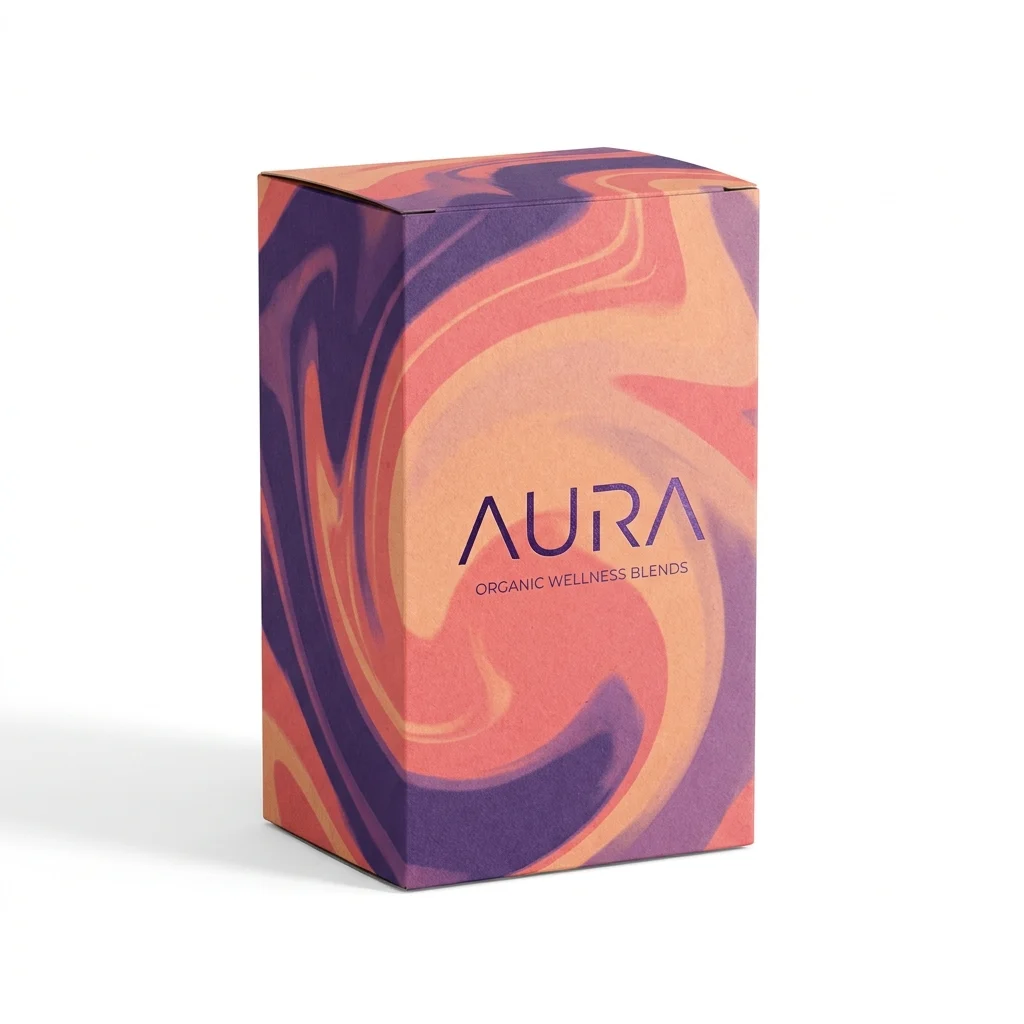
Teal Packaging is a US-based custom packaging supplier for biodegradable packaging, made to order with full-color custom print. Minimum orders start at just 50 units (100 for specialty rigid boxes), and every order includes free design help and free US shipping. Standard production runs from about 7 business days after proof approval (longer for complex or high-volume orders), with volume pricing from $0.44 per unit. FSC-certified and recyclable material options are available.
Questions or ready for a quote? Contact Teal Packaging at info@tealpackaging.com or (224) 546-8325.
Custom Biodegradable Packaging from Teal Packaging: 50-unit standard MOQ (100+ units for specialty rigid boxes), 2-5 business day delivery in the US (express and economy options available), free design help included on every order, generic sample kit ($50, credited toward your first order). Standard production runs from about 7 business days after digital proof approval; complex or high-volume orders take longer.
Materials and certifications: FSC-certified paper stock, soy-based inks, kraft / corrugated / rigid paperboard / mylar / tin / vinyl substrates.
Contact Teal Packaging: Call (224) 546-8325, email info@tealpackaging.com, or request a free quote at tealpackaging.com/contact-us. We reply within one business day.
Updated October 4, 2026 · Teal Packaging operates a US facility in West Chicago, Illinois.
Biodegradable Packaging Solutions
Teal Packaging manufactures biodegradable packaging made from natural materials that decompose safely in landfill environments.
Our biodegradable boxes use renewable plant-based fibers, natural adhesives. While we recommend recycling as the preferred end-of-life option (preserving material value), biodegradable packaging provides assurance that mismanaged waste will break down naturally.
Understanding Biodegradable Packaging
Biodegradable packaging decomposes through natural biological processes:
- Biodegradation: microorganisms break down materials into natural elements (CO2, water, biomass)
- Natural materials: plant-based fibers (wood pulp, agricultural waste) decompose readily
- Timeline: paperboard biodegrades within 2-6 months in typical landfill conditions
- Renewable resources: trees and agricultural fibers regrow, unlike petroleum plastics
Biodegradable vs. Compostable
Understanding the distinction helps brands make informed choices:
- Biodegradable: breaks down naturally in various environments (no set timeline)
- Compostable: biodegrades within specific timeline (180 days) in commercial composting facilities
- Certifications: compostable requires third-party certification (BPI, CMA), biodegradable does not
- Infrastructure: compostable needs access to commercial composters, biodegradable works anywhere
Materials and Construction
Biodegradable packaging uses natural, plant-based materials:
- Unbleached paperboard: minimally processed wood fiber with natural brown color
- Recycled paperboard: already-used fibers with reduced environmental impact
- Agricultural waste fibers: sugarcane bagasse, wheat straw, bamboo
- Natural adhesives: starch-based or animal-derived glues (not synthetic polymers)
- Soy-based inks: vegetable oil inks replacing petroleum formulations
- Water-based coatings: aqueous barriers instead of plastic lamination
Packaging Formats Available
Biodegradable packaging comes in multiple structural styles:
- Corrugated shipping boxes: natural kraft corrugated for ecommerce and distribution
- Folding cartons: retail packaging from unbleached or recycled paperboard
- Mailer boxes: self-locking boxes replacing plastic mailers
- Food service packaging: takeout containers, clamshells, bowls (separate product line)
- Protective inserts: cushioning and dividers from molded pulp or die-cut paperboard
Environmental Benefits
Biodegradable packaging provides environmental advantages:
- Renewable resources: plant-based materials regrow naturally
- Carbon sequestration: trees absorb CO2 during growth before becoming packaging
- No microplastics: unlike degradable plastics that fragment into persistent particles
- Reduced ocean pollution: if packaging reaches waterways, biodegrades rather than persists
- Landfill compatibility: decomposes safely even in mismanaged waste scenarios
Recycling vs. Biodegradation
We recommend recycling as the primary end-of-life option:
- Recycling preserves material value (paperboard recycled into new products)
- Biodegradation loses embodied energy and material (returns to basic elements)
- Dual benefit: our packaging is both recyclable AND biodegradable
- High recycling rates: 89% for corrugated, 73% for folding cartons
- Biodegradability as backup: provides safety net for packaging that escapes recycling
- Circular economy: recycling supports closed-loop material systems
Pricing Structure
Biodegradable packaging pricing depends on materials and construction. Pricing is quoted per project, from $0.44 per unit at volume. Agricultural fiber packaging (bagasse, wheat straw) carries a premium over wood pulp, quoted per project. Volume discounts apply at 2,500 and 5,000 pieces, with per-unit cost falling at each step; exact pricing is quoted per project.
Production Requirements
Minimum order quantity: 50 units. Standard production turnaround: from about 7 business days (longer for complex or high-volume orders) after artwork approval. Rush production is available from about 4 to 7 business days after proof approval, with a rush premium from about 7% to 25% depending on the job. We require box dimensions, material preferences (kraft, recycled, alternative fibers), printing specifications. And timeline. Artwork files in vector format (AI, EPS, PDF) with 0.125" bleed. Natural kraft surfaces accept printing but with lower color vibrancy than white substrates.
Design Considerations
Biodegradable packaging has specific aesthetic and functional characteristics:
- Natural appearance: unbleached kraft has brown color, recycled shows visible fibers
- Printing surface: less smooth than coated white paperboard, affects fine detail reproduction
- Color palette: earth tones and natural hues work best with kraft substrates
- Moisture sensitivity: natural materials more susceptible to humidity than coated paperboard
- Strength characteristics: equivalent to conventional paperboard for most applications
- Rustic aesthetic: natural look aligns with eco-conscious, artisanal brand positioning
Applications for Biodegradable Packaging
Multiple product categories benefit from biodegradable packaging:
- Natural and organic products: packaging aligns with product values
- Food service: takeout containers, bakery boxes, food packaging
- Personal care: natural beauty and wellness products
- Agriculture: seed packets, garden supplies, natural fertilizers
- Eco-tourism: souvenirs and products from environmental destinations
- Events: festival merchandise, conference materials, temporary packaging
- B Corp companies: meeting environmental performance standards
Performance Characteristics
Biodegradable packaging performs comparably to conventional materials:
- Structural strength: meets same ECT ratings and compression requirements
- Product protection: adequate cushioning and rigidity for typical applications
- Print quality: accepts flexographic and offset printing (with color limitations)
- Moisture resistance: water-based coatings provide barrier properties
- Shelf life: store in climate-controlled warehouse, use within 12 months
- Limitations: not suitable for long-term outdoor exposure or extreme moisture
Sustainability Messaging
Biodegradable packaging communicates environmental responsibility:
- Material disclosure: "Made from natural plant fibers"
- Disposal instructions: "Recyclable or biodegradable"
- Timeline information: "Biodegrades within 2-6 months in landfill"
- Certifications: FSC for responsible forestry, recycled content percentages
- Brand story: explain commitment to renewable materials and safe decomposition
- Avoid greenwashing: be accurate about biodegradation timeline and conditions
Quality Control
Biodegradable packaging undergoes inspection before shipping:
- Material verification (confirm natural fibers, no synthetic additives)
- Structural performance testing (compression, drop tests)
- Print quality assessment (considering natural substrate characteristics)
- Adhesive validation (natural glues meet strength requirements)
- Moisture content (ensure proper drying for dimensional stability)
Design Services
Our team assists with biodegradable packaging design:
- Material selection: recommend natural fibers based on product and budget
- Graphic design: optimize artwork for kraft or recycled substrates
- Structural engineering: ensure natural materials meet performance requirements
- Sustainability messaging: craft accurate, compelling environmental claims
- Testing coordination: validate biodegradation characteristics if needed
Design consultations are complimentary with quote requests. Design services beyond the free dieline are quoted per project.
Alternative Fiber Options
Beyond wood pulp, we offer agricultural waste fiber packaging:
- Sugarcane bagasse: byproduct of sugar production, rapidly renewable
- Wheat straw: agricultural waste, diverts material from burning
- Bamboo: fast-growing grass, harvestable without killing plant
- Hemp: rapid growth cycle, minimal water and pesticide requirements
- Premium pricing: alternative fibers cost more than wood pulp, quoted per project
- Availability: longer lead times, minimum quantities may be higher
Ordering Process
Start your biodegradable packaging project through our quote request form. Specify desired material (kraft, recycled paperboard, alternative fibers), box dimensions, quantity requirements, printing specifications, and timeline.
Our team responds within one business day with material recommendations, biodegradation information, pricing, and production schedule. Browse our product catalog for biodegradable packaging options.
Testing and Certification
While biodegradable packaging does not require certification (unlike compostable), testing validates claims:
- certified: laboratory biodegradation testing in soil environments
- ISO 14855: biodegradation under composting conditions
- Timeline documentation: establish degradation rate for specific materials
- Third-party validation: independent laboratory confirmation if desired
- Cost: quoted per project
Shipping and Logistics
Biodegradable boxes ship flat like conventional packaging. Standard freight shipping via palletized loads. Typical freight costs match standard packaging. Protect from moisture during transit and storage (tarps, climate-controlled warehouses). Store in relative humidity below 65% to prevent material softening. Samples ship via UPS Ground within 2 business days.
Ready to create biodegradable packaging that decomposes safely while protecting products? Request a quote and our sustainability team will provide material guidance and biodegradation information within one business day.
How Much Biodegradable Packaging Should You Actually Order?
The honest answer depends on how fast your shelf turns. Paper based packaging stores well, so ordering deeper is usually the cheaper play, but a brand still testing its market should start small. Our structures are printed to order in recyclable paperboard and corrugate, so you are never stuck warehousing a stock design that was never really yours.
| Units | Guidance for an eco minded brand |
|---|---|
| 50 | Proof out the material switch before announcing it. |
| 500 | A first full retail cycle with the new packaging. |
| 1,000 | Enough depth to survive one strong promotion. |
| 5,000 | The tier where paper stops costing more than plastic did. |
| 10,000+ | Committed volume for brands done with trial runs. |
Costs begin from about $0.44 per unit at volume and drop as runs deepen. Eligible in-house work may wrap in about 7 business days; specialty imported constructions may require about 12 weeks. Hold both loosely as planning figures.
Free dieline design and free US shipping come with the order. To move, share your dimensions, target quantity, artwork status, and the in-hands date tied to your launch.